
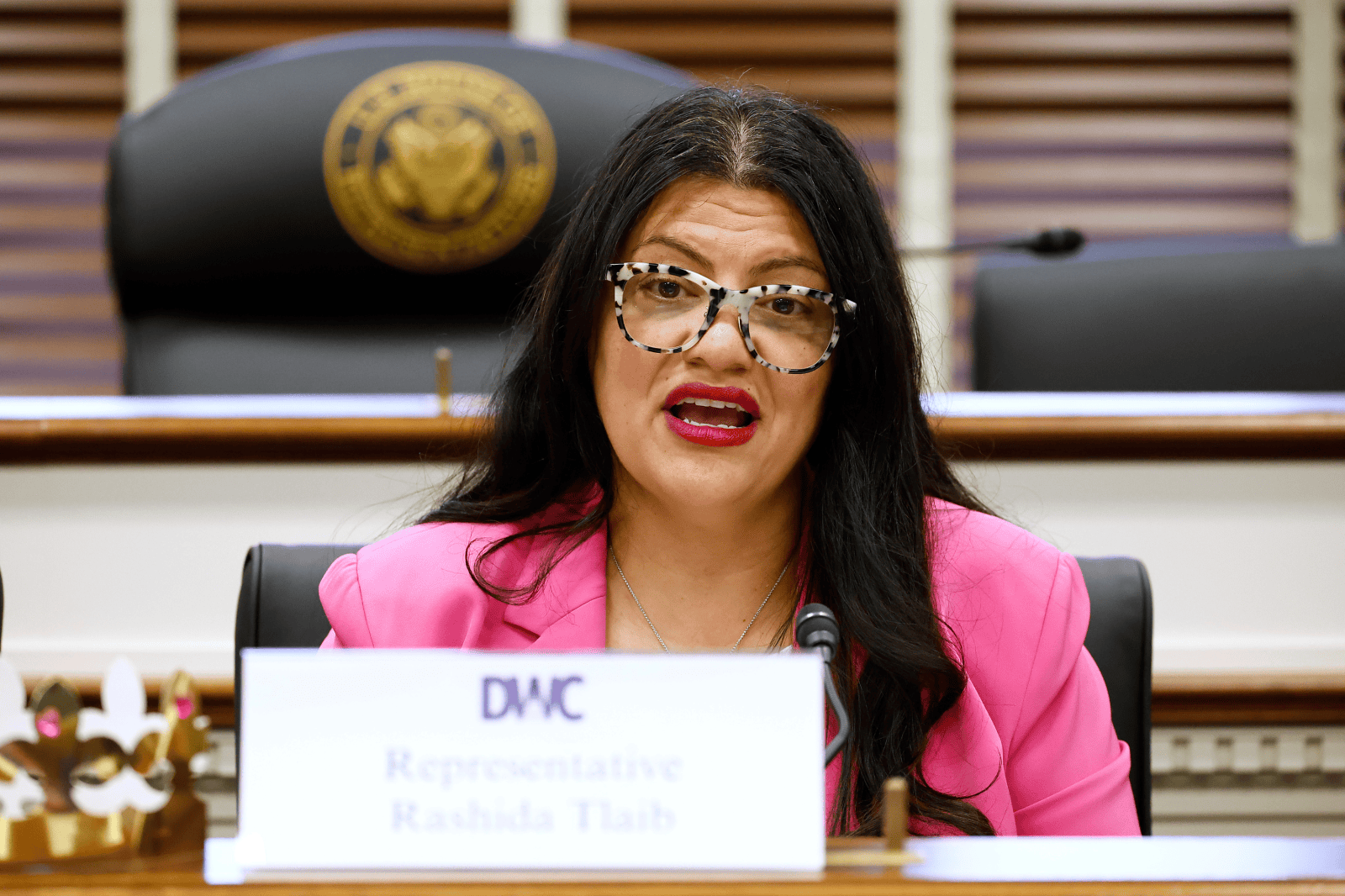
Representative Rashida Tlaib, a Democrat from Michigan, has proposed the Get the Flock Out of Our Communities Act. This bill aims to stop federal funds from supporting automated mass surveillance systems, such as automatic license plate readers, biometric surveillance, and facial recognition technology.
The bill not only prevents future purchases but also mandates that existing systems, bought with federal funds, be removed within 30 days of the law’s enactment. Additionally, certain surveillance data must be deleted permanently within seven days. This legislation comes amid increasing scrutiny of automated license plate reader systems like those provided by Flock Safety. Concerns include privacy issues, data sharing, and misuse, while proponents argue that these technologies aid in crime prevention.
Automated license plate readers are widely used across the country, raising questions about their investigative value versus privacy concerns. The debate has gained momentum in Congress, with lawmakers from both parties introducing various proposals to regulate or limit the technology.
Key Aspects of Tlaib’s Bill
Alongside Representatives Sylvia Garcia, Summer Lee, Ilhan Omar, Delia Ramirez, Nydia Velázquez, and Bonnie Watson Coleman, Tlaib introduced the bill in Congress. It has been referred to the House committees on Oversight and Government Reform and the Judiciary.
The bill defines an “automated mass surveillance system” as any technology collecting or storing information about a large or indefinite number of people. It prohibits federal funds from being used to purchase, operate, or maintain such systems. The legislation includes automatic license plate readers, biometric surveillance, and facial recognition systems.
Federal agencies would be barred from using the data derived from these systems. Tlaib emphasized privacy and free speech concerns in a press conference, citing the potential misuse of technology regardless of political leadership.
For equipment already funded with federal money, the bill calls for removal within 30 days post-enactment. Surveillance data violating the bill’s terms must be permanently deleted within seven days, with restrictions on its use in court.
The bill uses a financial mechanism affecting state and local governments. Applicants for Byrne and Community Oriented Policing Services (COPS) grants must confirm non-use of automated surveillance systems. Byrne grants assist in improving the criminal justice system, while COPS grants support the addition of police officers to reduce crime and enhance community policing.
Controversy Around Flock Cameras
Flock Safety’s license plate readers create searchable records from passing vehicles, assisting in crime investigations. While useful for recovering stolen vehicles, controversies arise over data access and misuse. More than 50 cities and counties deactivated or canceled use of automated license plate readers as concerns over ethical use and overly broad data collection grow.
Flock has implemented safeguards, such as requiring activation of review systems for unusual searches and reducing the default data retention period from 30 days to seven. The company claims not to work with U.S. Immigration and Customs Enforcement and states that data sharing with federal agencies is disabled by default, putting data control in the hands of local customers.
Flock defends its technology as a useful tool for public safety. The company supports legislation that strengthens privacy, transparency, and accountability while allowing for responsible law enforcement use.
Other Legislative Moves
Tlaib’s bill is part of a bipartisan effort to address automated license plate readers. Republican Representative Thomas Massie of Kentucky introduced the Flock-Off Act which prohibits federal funding for camera systems like Flock’s.
Republican Representative Greg Steube of Florida introduced the FLAFO Act, targeting government use of automated plate readers with Fourth Amendment concerns in mind. Democratic Representative Alexandria Ocasio-Cortez introduced the Ban Flock Act, restricting federal use of these systems without specific authorization.
These proposals reflect bipartisan awareness of concerns over automated license plate readers but differ on how stringently they should be regulated.
Next Steps for the Legislation
The Get the Flock Out of Our Communities Act is currently in committee review. It must advance through Congress and receive the president’s signature to enact its proposed restrictions.