
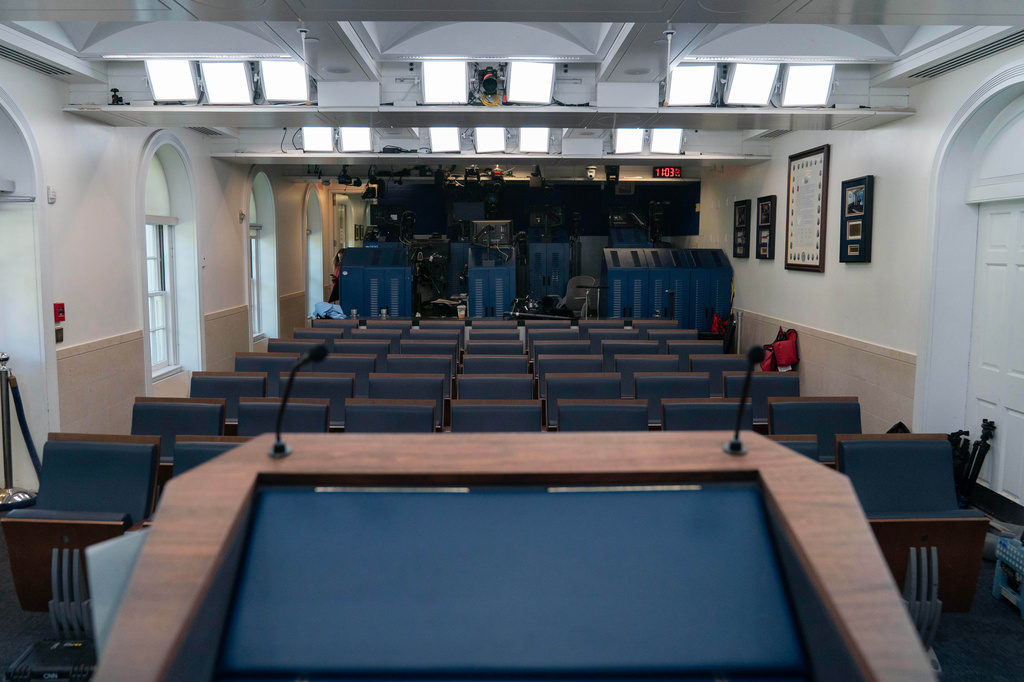
The James Brady Press Briefing Room at the White House symbolizes one of the most demanding roles in American public life. The room’s name honors a predecessor who nearly lost his life: Jim Brady.
Brady served as Press Secretary for only ten weeks before a life-altering incident. Despite this short tenure, his influence endures. He viewed the press not as adversaries but as instruments of communication. This perspective shaped the way the government conveyed messages to citizens, and his approachable demeanor earned the respect of many reporters.
After he was injured, President Reagan retained Brady’s title for the duration of his administration. Others who held the position, like Larry Speakes and Marlin Fitzwater, did so under different titles out of respect.
Larry Speakes: Preparation and Persistence
Speakes stepped in during a critical moment when President Reagan was in surgery. He underscored the importance of being prepared. His approach emphasized that the groundwork done before facing the press determined the success of the briefing.
Marlin Fitzwater: Credibility is Key
Fitzwater taught that credibility is paramount. Serving under two presidents, he maintained the trust of the press by consistently telling the truth or acknowledging when he could not comment. This trust made him a reliable source.
Being a press secretary involves serving multiple interests: the President, the press, and the public. Balancing these requires maintaining credibility, which is essential for effective communication.
Advice for Future Press Secretaries
- Conduct briefings regularly to maintain transparency.
- Prep extensively, focusing on facts rather than reacting to questions.
- Avoid guessing; correct mistakes quickly when they happen.
- Listen and learn from reporters, who often bring valuable insights.
- Support the President without becoming a sycophant; integrity adds value to advocacy.
- Treat the press respectfully, as rudeness undermines credibility.
The name on the room’s door serves as a reminder of the values Brady stood for—open communication with a free press. Future press secretaries should strive to honor this legacy by upholding the promise of transparency and trust.
Mark Weinberg, who served in the Reagan White House’s press office, shared these insights. He later became a speechwriter for President Reagan and authored the best-selling book “Movie Nights with the Reagans.”