
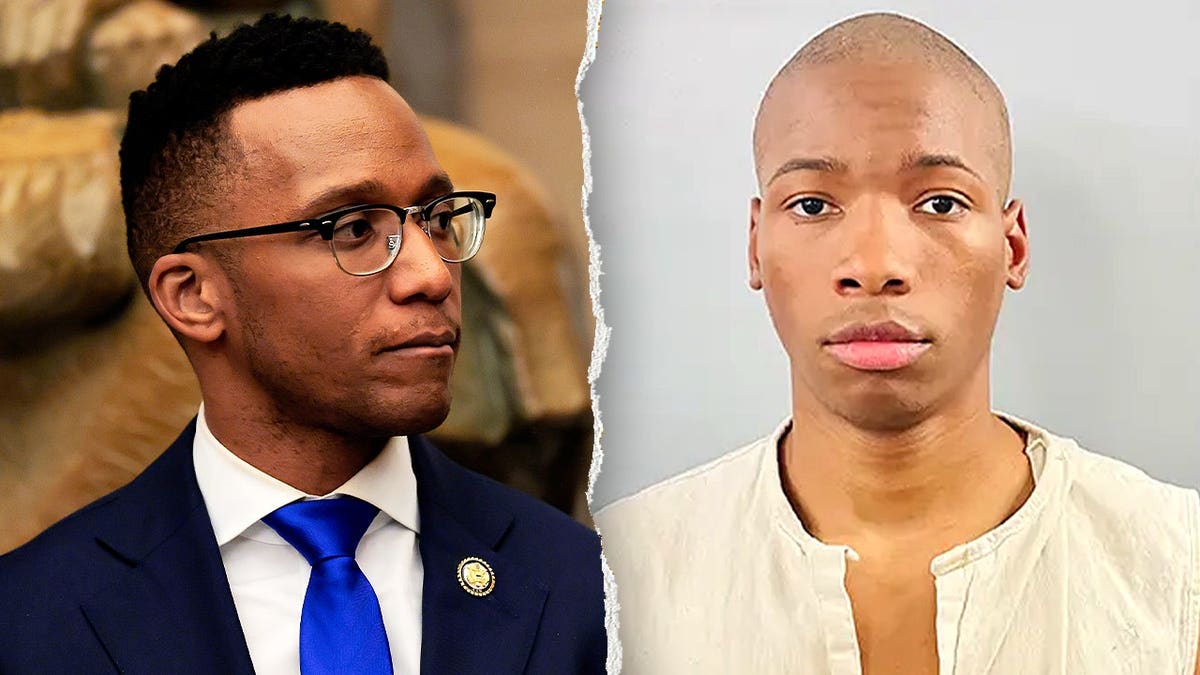
House Democrats have expressed serious concerns that racial factors influenced the guilty verdict in the Karmelo Anthony case. Some argue it highlights systemic racism within the criminal justice process.
“A travesty, two lives ruined, and what struck me most is that you had an all-White jury,” stated Representative Christian Menefee, D-Texas, regarding the verdict.
Anthony received a 35-year prison sentence for the stabbing and death of 17-year-old Austin Metcalf at a high school track event. Many activists and Democratic legislators claim the trial was unfair and racist.
Representative Menefee commented, “Juries should represent the diversity of this country. If a White kid was convicted by an all-Black jury, it would be seen as patently unfair. Why should it be fair the other way around?”
Sources close to the trial informed Fox News Digital that among the 18 jurors there were racial minorities. Six jurors were minorities, including three who were identified as racial minorities. Four Black men also testified in defense of Metcalf, maintaining that Anthony was not provoked to justify the stabbing.
Supporters of Anthony believe he acted in self-defense and did not receive a fair trial. Some Democratic lawmakers and activists have called for further review and urged Anthony to appeal.
Representative Troy Carter, D-La., expressed concern over racial disparities in the judicial system, stating, “It does bring in light the imbalance as it relates to African Americans and people of color. Hopefully, there’ll be an opportunity for appeal and further discussion.”
Menefee added that young Black individuals often are not afforded the same fear response opportunities in legal proceedings as other races. He criticized the justice system’s inconsistent application of self-defense rights.
Representative Jonathan Jackson, D-Ill., suggested reopening the case to present all evidence, expressing sympathy for both families involved.
Representative Shomari Figures, D-Ala., expressed the unfortunate circumstances of both young men involved, emphasizing the loss experienced by both families.
The lawmakers framed the case in the broader context of racial disparities in self-defense claims and equal treatment in the American justice system. Menefee concluded that the system does not provide equal treatment for everyone.