
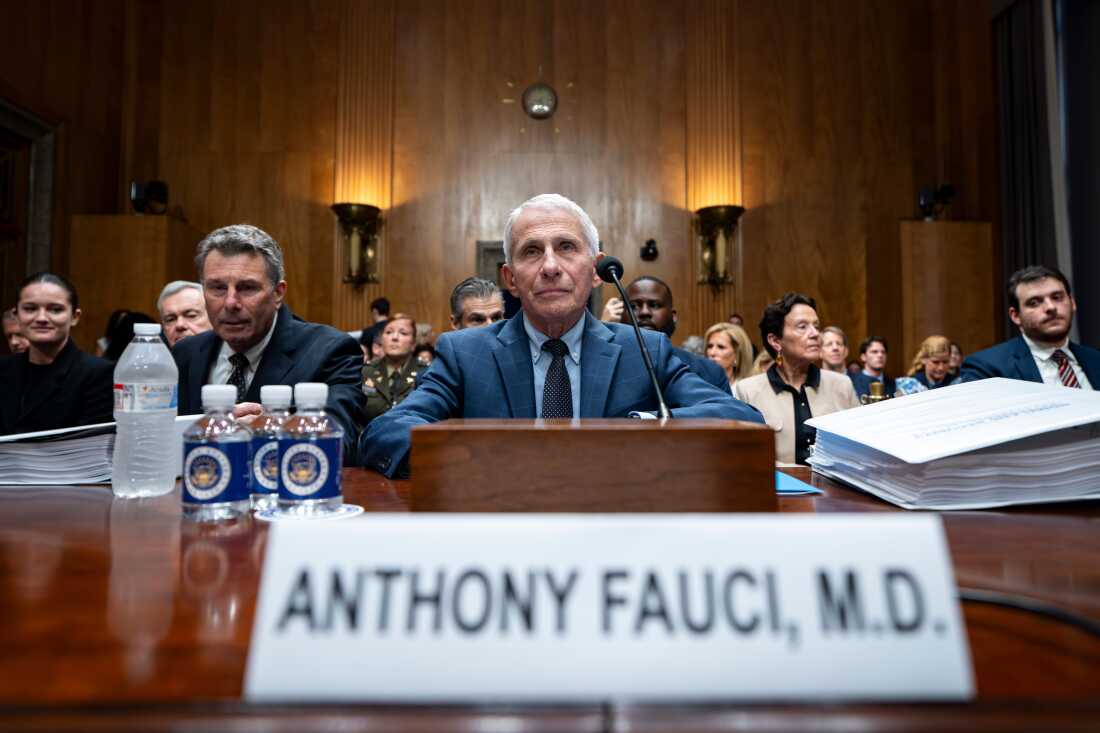
Dr. Anthony Fauci Faces Senate Hearing
During a Senate Committee hearing on Homeland Security and Governmental Affairs, Dr. Anthony Fauci, the former director of the National Institute of Allergy and Infectious Diseases, refused to address queries about the origins of the COVID-19 pandemic. He exercised his Fifth Amendment right, sparking reactions from Sen. Rand Paul, R-Ky., who plans to push for Fauci to be found in contempt of Congress. These actions have prompted concerns regarding a potential negative impact on public health staffing and infrastructure in the U.S.
Concerns Over Public Health Worker Future
Democrats and public health experts are worried that heightened scrutiny and dismissals could deter future professionals from entering the field. Andy Kim, D-N.J., expressed that such developments might negatively affect aspiring researchers by making them doubt their career choices in public health.
Public health professionals are concerned about the growing devaluation of the field. This erosion could hurt public health outcomes in the U.S. Epidemiologist Katelyn Jetelina observed that recent events have revived public discord, impeding the nation’s progress in healing from the pandemic.
The Health Freedom Movement
During the pandemic, many rejected mandatory medical treatments and interventions, asserting their rights in the health freedom movement. Nicole Huberfeld, a Boston University professor, highlights that objections to vaccination typically stemmed from religious or moral beliefs rather than scientific evidence.
Policies like masking and social distancing faced resistance, partly fueled by political leadership. Interest in health freedom surged during Biden’s presidency, with Republican officials conveying messages that resonate with their base, possibly contributing to broader challenges in public health advocacy.
The Impact on Public Health Agencies
Huberfeld emphasizes that undermining individuals and programs vital to public health is a significant risk. Attacks on Fauci and agency reductions collectively signal to the public that health professionals are less valued. According to Dr. Georges Benjamin from the American Public Health Association, this diminishes the nation’s ability to respond effectively to health threats such as hantavirus and measles.
Huberfeld warns that sweeping healthcare changes could lead to more preventable conditions and deaths if these trends in devaluing public health continue.
Public Health Threats
Public health experts need to convey evidence-based information to lawmakers. Benjamin highlights that political pressures could deter professionals from sharing crucial insights. The fear of career-damaging repercussions hampers truth-telling essential for decision-making.
Jetelina notes a decline in enrollment in public health courses, driven by apprehensions about career risks. This environment might impact the future willingness of scientists to face public scrutiny, much like what happened to Fauci.
Rebuilding Trust with Public Health
Fostering dialogue between health professionals and the public is essential to restoring trust. Jetelina advocates for using public concerns to inform communications and operations, creating a participatory approach that could bridge gaps.
She suggests forming a committee similar to the 9/11 Commission, focused on analyzing the pandemic response to improve future strategies. Benjamin stresses the urgency of counteracting science skepticism to mitigate health vulnerabilities in communities.