
Steering State Funds to Private Schools
State legislatures across the country are directing public funds to private schools, spurring significant growth. ProPublica’s investigation reveals these funds come with minimal oversight.
The Lax Oversight Situation
States such as Florida and Arizona show little interest in regulating private schools. The background of individuals running these schools often lacks examination, raising concerns about the safety and performance of these institutions.
Case Examples: Troubling Backgrounds
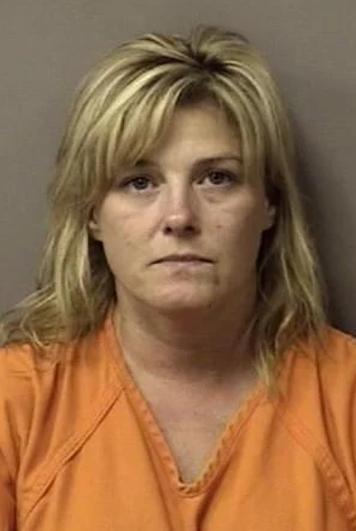
An alarming example exists in Florida, where a former public school teacher, prosecuted for sexual abuse, now runs a private school. Despite her history being easily accessible online, state laws allowed her to open this school without hassle. Similarly, an individual with past financial misconduct in Ohio is currently managing a private school in Florida.
Unregulated Expansion Across the U.S.
Fueled by taxpayer dollars, private schools are proliferating nationwide. Arizona’s laws specifically prohibit regulatory oversight of private schools. Last year, the state lauded Mike Tyson for establishing a private school, despite his criminal history.
“State law prohibits our department from a role overseeing private schools,” Arizona Department of Education spokesperson.
Public Funds and Private School Growth
Data from ProPublica highlight that there are over 1,500 more private schools today compared to five years ago. States like Iowa and Florida show nearly all private school students receive public funding for tuition.
Differences Between Private and Public School Regulations
Private schools hold autonomy in their operations, often escaping the rigorous accountability public schools face. This includes lack of transparency in financial and educational performance, troubling for advocates of public education.
“Rules that govern home school and private school in West Virginia — those will fit on an index card.”
Impact on Education Accessibility
While a federal tax-credit program expands access to private schools, students with disabilities often face exclusion. Private schools are not bound by public school standards and can implement discriminatory admissions policies.
Controversial School Leadership
Instances have emerged where schools, despite concerning leadership backgrounds, continue to receive state funding. In Florida, a private school founded by a person convicted of child abuse remains operational.
Florida’s Legislative Intent and Lack of Regulation
Florida’s laws emphasize minimal regulation of private schools, allowing individuals with prior misconduct to operate educational institutions freely.
Concerns and Consequences
Communities and parents in Florida have noted alarming pasts of school founders, raising awareness and pressing for more scrutiny on private school operations.
The Expansion and Its Implications
Private schools are setting up in unconventional locations, using public funds to operate without sufficient oversight. Critics argue that intended educational freedoms may exclude some students due to unregulated standards.
Final Thoughts
While proponents argue for the benefits of private school voucher programs, the lack of oversight remains a critical challenge. Ensuring student safety, inclusion, and educational quality are imperative amid this shift in the educational landscape.