
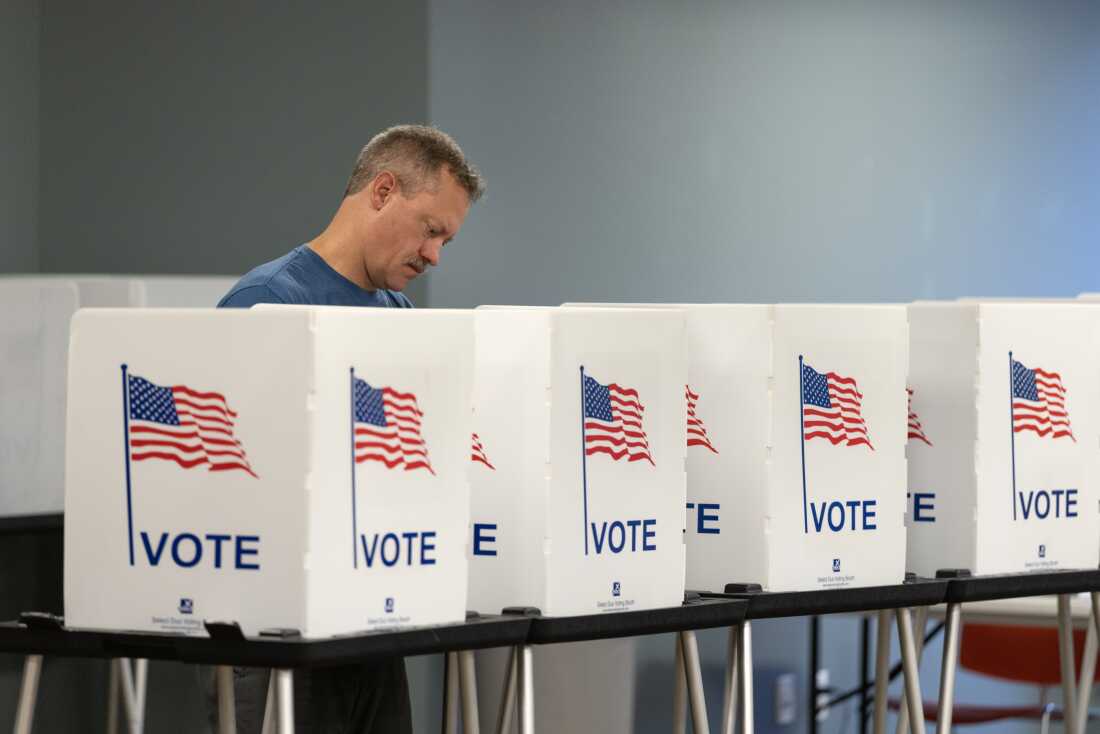
Residents in several U.S. states, including Wisconsin, Minnesota, and Connecticut, participated in primary elections on August 11, 2026. This provided insight into the internal conflicts within both major political parties as they prepare for the November midterms.
Republican Primary Insights
On the Republican side, the influence of former President Trump’s endorsements was examined. Despite his lowest approval ratings in his second term, some candidates he supported performed well. In South Carolina, Trump-endorsed Senator Darline Graham advanced to a special primary runoff, triumphing over several well-known GOP figures. However, Trump’s influence wasn’t consistent everywhere. His endorsement didn’t secure a victory for Mike Lindell in Minnesota’s gubernatorial race, as Lindell faced allegations and struggled with questions about residency requirements.
Democratic Primary Trends
The Democratic primaries in Wisconsin, Minnesota, and Connecticut showed the party’s base desire for new, younger leaders and a tougher stance on immigration policies linked to Trump. Particularly, in Minnesota, Lt. Gov. Peggy Flanagan’s defeat of Rep. Angie Craig emphasized opposition to Trump’s immigration policies. Flanagan’s campaign highlighted Craig’s past vote for the Laken Riley Act, which expanded federal immigration enforcement powers. Despite Craig expressing regret over the vote, Flanagan’s stance resonated with the Democratic base.
Progressive Victories and Challenges
Progressive Democrats made gains, although not without challenges. In Minnesota, Flanagan emerged as a significant progressive voice, defeating a centrist opponent. Meanwhile, Francesca Hong’s campaign in Wisconsin struggled despite strong grassroots support and an unusual political background; she ultimately lost to the more moderate David Crowley. These races reflected ongoing debates within the Democratic party regarding its future direction.
Generational Shift in Politics
In Connecticut, a generational divide became apparent. Democratic Rep. John Larson, at age 78, conceded to 47-year-old Luke Bronin. This shift underscores a trend where younger Democratic candidates are challenging older incumbents. Recent reports show that an increasing number of Gen Z and millennial candidates are running, representing a desire for generational change.
More than 80 younger Democrats are challenging older representatives, marking a significant rise from the previous election cycle. However, many longstanding Democratic figures, despite plans to retire, face pressure from within the party to make way for new leadership.