
Introduction to the Upcoming El Niño
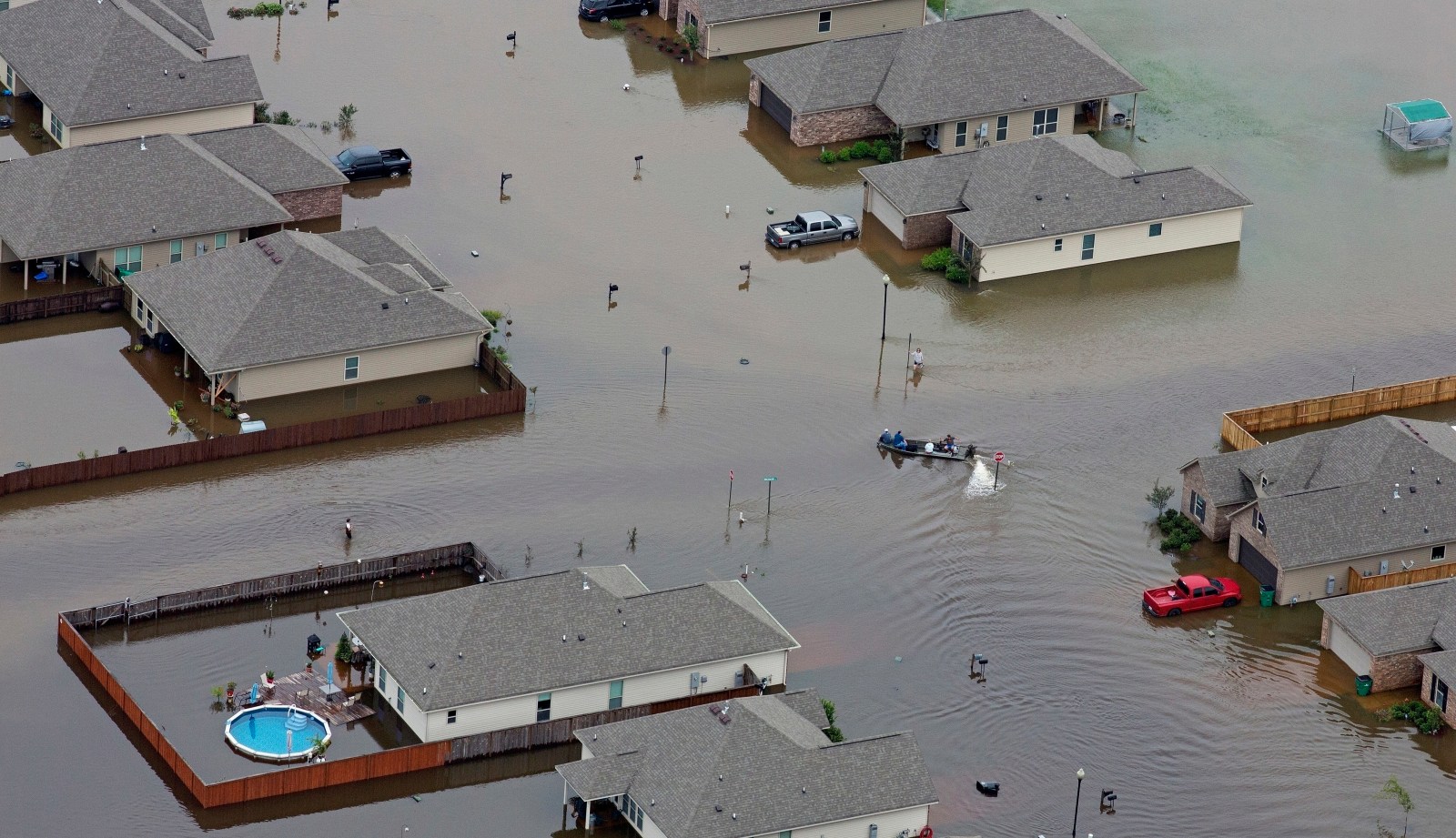
Experts warn that a supersized El Niño is expected in the coming months, potentially bringing heavy rains and flooding to the U.S. This climate phenomenon, fueled by unusually warm Pacific Ocean temperatures, is anticipated to become very strong this fall and winter, as stated by the World Meteorological Organization (WMO).
“El Niño is being supersized before our eyes,” said United Nations Secretary-General António Guterres, highlighting the unprecedented changes observed in our climate.
The upcoming El Niño might become the largest in over a millennium, potentially making 2027 a record-hot year. This prediction comes from climate scientist Gavin Schmidt, who emphasizes the substantial warming associated with this phenomenon.
Potential Impacts on U.S. Weather
According to Scott Handel from NOAA’s Climate Prediction Center, each El Niño presents unique weather patterns. However, given the anticipated strength of this event, certain impacts are expected:
- West Coast: Increased chances of heavy precipitation and flooding, particularly affecting California. The last El Niño brought significant rainfall to San Diego in early 2023, and the 1997-98 event set records for Los Angeles and San Francisco.
- Upper Midwest and Northern U.S.: More likely to experience above-average temperatures.
- Southeast U.S.: Prone to heavy rain, flooding, and severe weather conditions.
- Northern Rockies and Northern Cascades: Typically see a reduced snowpack during such events.
Risk Management for Homeowners
Homeowners in areas at risk need to prepare for potential impacts. The Insurance Information Institute highlights that common claims during El Niño winters include wind and roof damage, water damage from unexpected cold, and flooding due to heavy rainfall. Tree and debris damage from high winds are also expected issues.
Mark Friedlander advises securing a separate flood insurance policy since standard home insurance does not cover flood damage. Despite FEMA’s data showing nearly every U.S. county experiencing flooding, flood insurance coverage is low, largely due to costs and misconceptions about risk.
Preparation and Mitigation Measures
Experts suggest the following steps for homeowners:
- Review flood risk using online tools like FEMA’s Map Service Center.
- Secure flood insurance early, considering the 30-day waiting period from the National Flood Insurance Program.
- Use sandbags to prepare for floods and clear gutters and drains.
- Maintain a supply of essential items, including non-perishable food, water, and power sources for electronics.
- Consider structural improvements like portable flood barriers and securing roofs against strong winds.
Documenting belongings with a home inventory is vital for insurance claims, and residents should prepare evacuation plans and emergency supplies in advance.
Regional Specific Concerns
Weather patterns can vary throughout El Niño events; hence, focusing on current forecasts is important. The southern U.S., including California and the Southeast, may experience a wetter winter. Meanwhile, the Pacific Northwest and the Ohio River valley might encounter drier conditions. These weather variations require different preparation approaches depending on the location.
Emerging strong El Niño patterns suggest a potential increase in storm activity in southern states, particularly in the Sierra Nevada where snowpack is crucial for water supplies.
Monarch Weather Consulting President Crystal Egger notes the importance of monitoring changes in the Pacific jet stream as it may shift southward, affecting storm tracks and precipitation levels across southern America.