
Each year, the Gallup organization surveys American workers on their level of engagement with their jobs. Many workers respond negatively, indicating a low level of engagement, the lowest in over a decade according to Gallup. This Labor Day, numerous employees express dissatisfaction and negativity about their work environments.
The Grohmann Museum: A Historical Insight
A potential remedy for this workplace dissatisfaction might lie in a visit to Milwaukee’s Grohmann Museum. This venue showcases a vast collection of art, highlighting the evolution of work from as far back as the 1500s. These pieces are both inspiring and educational.
While modern workers have reasons to complain, the Grohmann’s artwork reveals even tougher conditions faced by historical employees. The Industrial Revolution is depicted vividly through paintings that display the heat, noise, and pollution of that era.
Understanding Past Work Conditions
Highlighted collections, such as “Iron and Steel,” capture the dangers of past industrial work environments through fire-filled art. Pieces like “Misfortune at the Mine” show the perilous nature of mining work, portraying a worker being rescued following an accident.
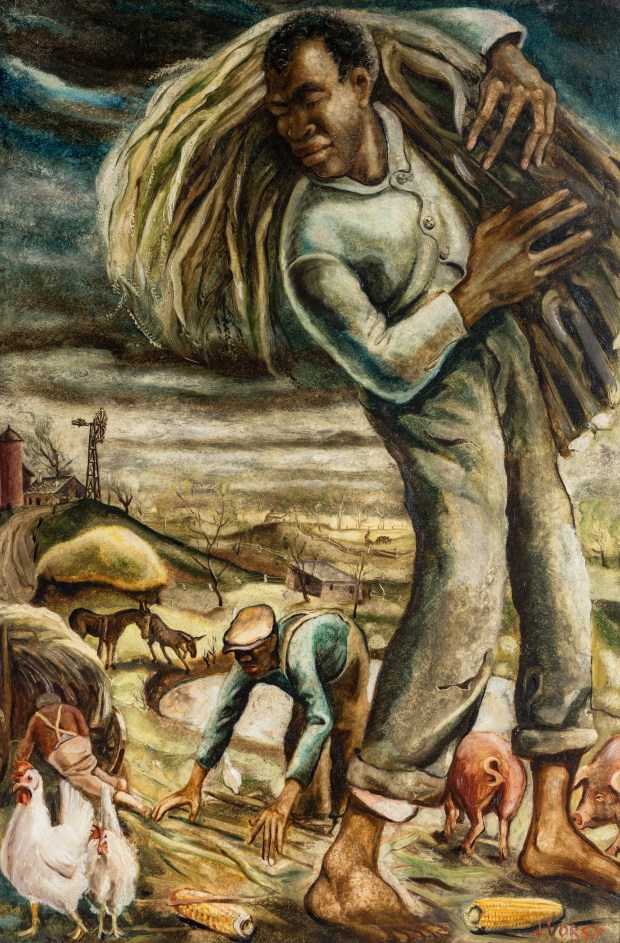
The museum’s “Agriculture and Construction” section shows the immense effort involved in manual labor, such as building tunnels and canals. Some artworks romanticized farming, overshadowing the harsh realities of rural life.
Brewing beer in the past was hazardous. Workers faced risks like being burnt by boiling liquids or suffocated by fermenting gases; children, too, were depicted laboring under these conditions.
Progress in Workplace Safety
Fortunately, the Grohmann Museum illustrates the evolution of improved workplace safety. Modern workers, like welders and firefighters, wear protective gear such as hard hats and face shields.
Over time, labor advocates secured vital worker rights, including eight-hour workdays and the ban of child labor. Programs like unemployment insurance now offer a critical, though imperfect, safety net.
Considering the Future with AI
The Grohmann Museum, funded by Milwaukee businessman Eckhart Grohmann, seeks to educate students at the Milwaukee School of Engineering about the history and potential future of work. AI is a significant part of their curriculum, reflecting large corporate investments in this technology.
Museum Director James Kieselburg emphasizes humanity’s adaptability, noting that while technology advances, human input remains essential.
Present-Day Employee Engagement Challenges
Despite technological aid, workers report less enthusiasm for their roles, as seen in Gallup’s research. The study reveals employees’ need for better communication and clarity regarding their roles and company objectives.
On this day recognizing American workers’ achievements, we hope for continued progress. Employers are urged to prioritize reengaging their workforce for mutual benefit.