
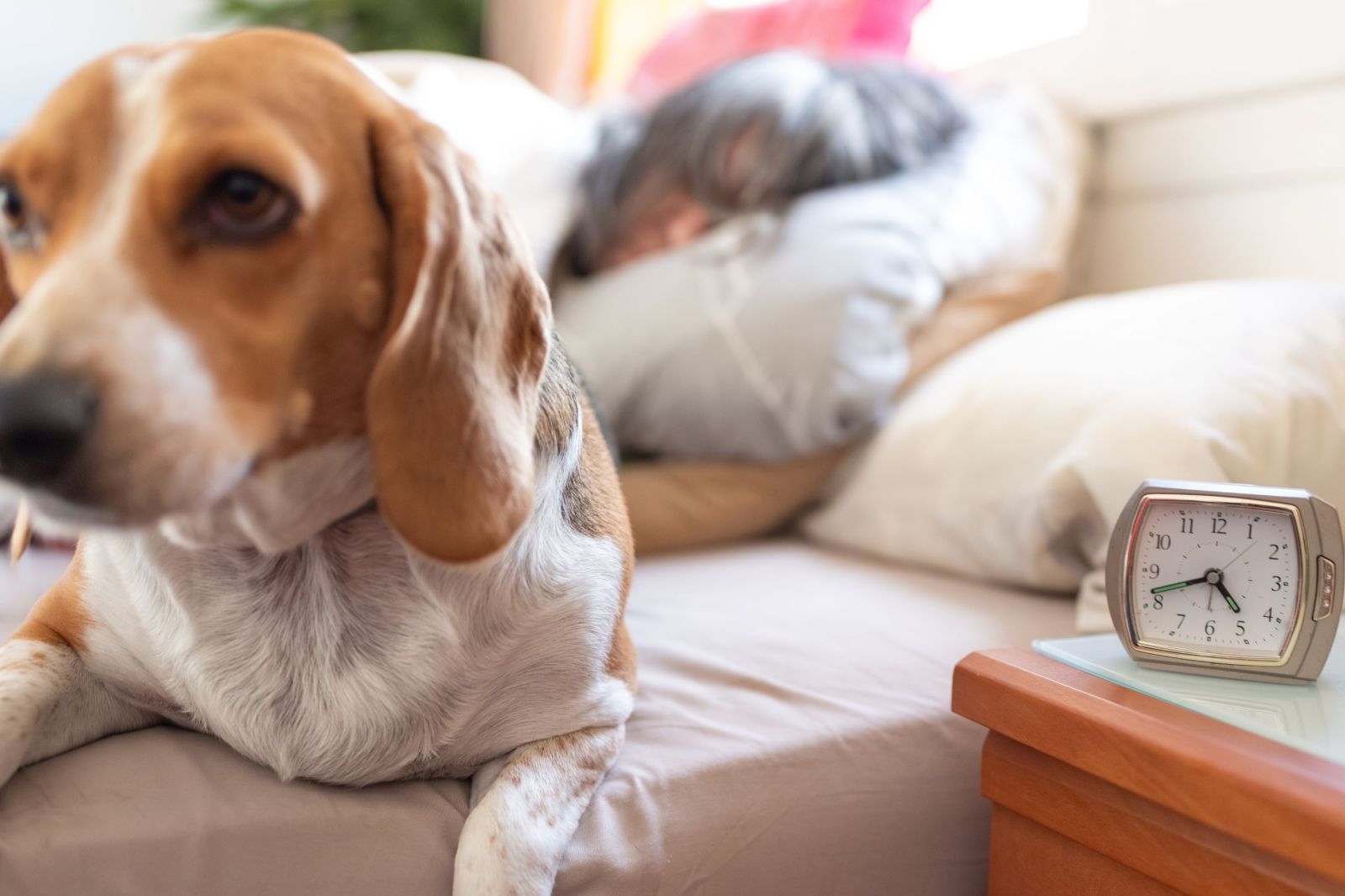
A proposal to adopt permanent daylight saving time awaits approval in the Senate following its passage in the House. This change, however, might not only affect human schedules but also disrupt pets’ routines. The Sunshine Protection Act aims to abolish the biannual clock adjustment, maintaining daylight saving time throughout the year. According to this plan, Eastern states would remain on Eastern Daylight Time, Central states on Central Daylight Time, Mountain states on Mountain Daylight Time, and Pacific states on Pacific Daylight Time.
Implications for Pets
Many people might applaud the cessation of clock changes, but pets, particularly those with rigid routines, could temporarily face confusion. Dr. Karen “Doc” Halligan, a veterinarian, explains that pets rely on predictable patterns. Changes in feeding, walks, medication timings, or bedtime can disturb their routine. Dogs and cats have internal biological clocks, or circadian rhythms, which help regulate various behaviors. It’s not the idea of permanent daylight saving that poses a risk, rather how it disrupts the current schedules.
Routines, Not Clocks
Pets can be creatures of habit. For instance, a dog used to having breakfast at 7 a.m. might still expect his meal even if the owner’s routine changes. Similarly, a cat might become more vocal or restless if evening meals get delayed. Halligan emphasizes the need not to overlook cats, as they too depend heavily on stable routines. Some pets might wake their owners earlier, seem restless, or require additional potty breaks during this adjustment period. While most healthy pets adapt within days, some might need longer.
Sensitivity to Schedule Changes
Certain pets are more affected by routine shifts, especially those reliant on structured routines or with specific health needs. Halligan advises that owners be attentive to:
- Senior dogs and cats
- Puppies and kittens
- Pets with anxiety disorders
- Animals with cognitive dysfunction
- Special needs pets, like those on regular medications or diabetic pets
Pets with stringent medical schedules should have gradual adjustments to their medication times under veterinarian guidance to avoid sudden shifts.
Daylight’s Effect on Walks
If the act becomes law, and starts on December 1, pet owners might alter dog walking times. Extended evening daylight could lead owners to move walks later to avoid daytime heat, but summer heat exposure could still pose risks, particularly for flat-faced breeds and older, overweight animals. Conversely, darker mornings could mean walking pets before sunrise, prompting new safety measures.
Safety During Dark Walks
Reduced visibility poses a risk on the streets and sidewalks. It’s harder for others to spot dogs and their owners, and navigating ground hazards becomes more challenging. Halligan advises pet owners to:
- Use reflective gear like collars, leashes, or LED lights.
- Wear reflective clothing for better visibility.
- Carry a flashlight to detect potential hazards.
- Choose well-lit walking routes.
- Keep dogs leashed and watchful for wildlife, including coyotes, active during dawn in some regions.
Preparing Pets for Change
To prepare pets for schedule modifications, gradual adjustments are vital, not abrupt changes. Halligan proposes shifting meals and walks by 10-15 minutes daily over several days before the change. Maintain consistent medication, bathroom, and bedtime routines. Monitoring shifts in appetite, sleep, or behavior is crucial. Consistency is key since pets quickly adapt if the owner remains steady. Reliable routines contribute greatly to pets’ well-being, emphasizing the fact they don’t track time but observe their owners.