
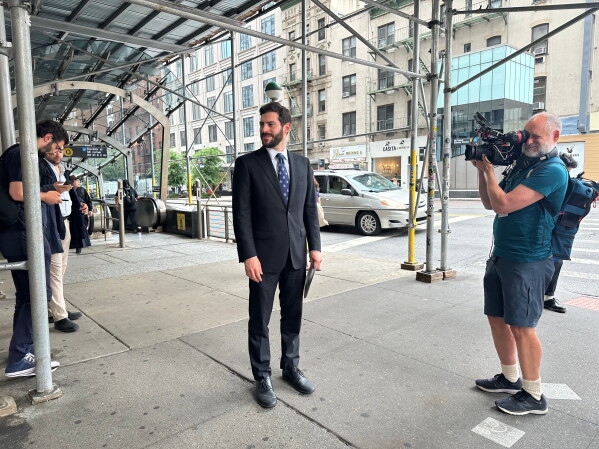
In a notable political move, New York City Mayor Zohran Mamdani stepped into the Democratic U.S. House primaries, supporting three allies over candidates backed by the establishment. All three allies emerged victorious, including two self-described democratic socialists. Mamdani’s influence is evident, as these victories over incumbents pave the way for these candidates to enter Congress from their solidly blue districts.
The mayor emphasized the importance of electing “better Democrats” focused on advocating for working people. His actions and the resulting wins signify his growing impact within the political landscape, though some Democratic leadership expressed concern.
Meanwhile, two opposing factions from the artificial intelligence industry poured significant funds into a House race centered on tech regulation. Assembly member Micah Lasher, supported by Democratic leaders, won the contest, though the issue of AI regulation remains unresolved. Candidate Alex Bores, a former Palantir employee, highlighted his ethical reasons for leaving the company and championed extensive state-level AI regulation bills. This drew substantial attention and financial backing from tech industry groups. Lasher challenged Bores by questioning his potential ties to big tech, intensifying the debate.
In South Carolina, President Donald Trump aimed to secure his endorsement record after earlier struggles in gubernatorial races. After backing Lt. Gov. Pamela Evette for the primary, Trump extended his endorsement to state Attorney General Alan Wilson for the runoff. This strategic move paid off, with Wilson emerging victorious, reinforcing Trump’s influence in Republican primaries.
Utah’s political scene saw former U.S. Rep. Ben McAdams adapt to a new, more left-leaning district created by redistricting. McAdams, previously known for his moderate stance, committed to supporting abortion rights and positioned himself as moderate in tone rather than policy. The primary attracted progressive candidates, including state Sen. Nate Blouin, who advocated for Democrats taking a firm stance against Republicans, with backing from Sen. Bernie Sanders.
Maryland’s political arena highlighted Republican efforts to find a successor akin to former Governor Larry Hogan, who maintained a moderate conservative approach in a primarily Democratic state. With Governor Wes Moore’s leadership beginning in 2023, he secured his party’s primary endorsement. Republican candidate Dan Cox, with strong right-leaning tendencies, won the GOP primary and aimed to implement significant policy changes if elected.
Correction: A previous version incorrectly stated Moore’s assumption of office.