
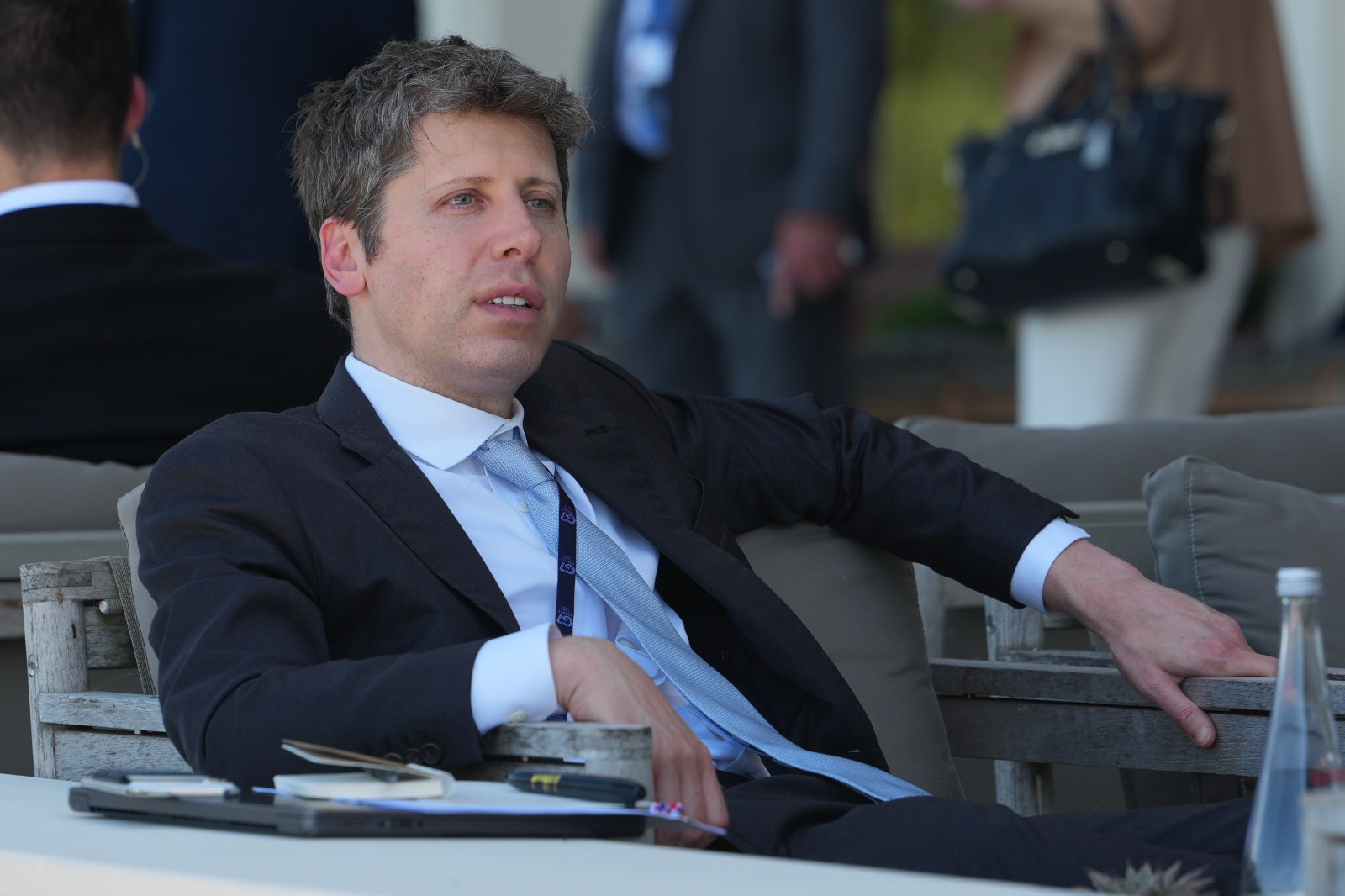
Sam Altman, the CEO of OpenAI, has proposed a plan that appeals to both populists and plutocrats in Washington. He suggests giving the U.S. government a 5% stake in OpenAI, valued at approximately $42.6 billion based on the company’s $852 billion valuation from its March funding round.
According to the Financial Times, Altman discussed this idea with President Donald Trump, Commerce Secretary Howard Lutnick, and Treasury Secretary Scott Bessent. These discussions are in the conceptual and early stages, and any deal would require congressional approval.
Altman’s vision extends beyond OpenAI. He hopes that other major AI developers like Google, Meta, and Anthropic will contribute 5% of their stakes to a shared vehicle similar to the Alaska Permanent Fund, which has provided annual oil dividends to state residents since 1982. So far, no agreements have been made with these companies.
The Shift in Government Involvement
This proposal aligns with current governmental practices. The White House has normalized the government as a shareholder, converting CHIPS Act grants into a 9.9% stake in Intel and securing a 15% cut of China chip sales from Nvidia and AMD.
President Trump has openly considered AI wealth-sharing as a partnership with the American public, suggesting it could bring financial benefits to citizens. Vice President JD Vance has indicated that Trump favors equity over direct cash payouts.
Progressive Senator Bernie Sanders has introduced a more aggressive proposal: a 50% tax on AI company stock for a sovereign wealth fund, reflecting a similar philosophy. Sanders argues that AI is built on collective human knowledge, and its generated wealth should benefit humanity.
OpenAI and America First
The concept of America First is evident in OpenAI’s actions. The company delayed the GPT-5.6 model’s release at the government’s request after Lutnick urged caution. OpenAI faces scrutiny from state attorneys general and is planning a future IPO needing government support.
A public stake serves dual purposes. It generates goodwill and aligns with the America First policy by keeping AI technology American-made and owned. OpenAI’s stance positions AI supremacy over China with a dividend benefit for U.S. citizens.
This strategy combines Silicon Valley’s need for political support with Washington’s interest in a populist win, especially as midterms approach and public opinion sours over AI’s economic impacts.
Debate Over the Strategy
Not everyone supports this approach. Valence Howden, Advisory Fellow at Info-Tech Research Group, points out potential conflicts of interest and risks. If the government owns AI company shares, it may weaken regulatory incentives and lead to global risk due to U.S. influence.
David Sacks, a venture capitalist and White House AI czar, cautions against a “corporate-government fusion,” warning it could echo a social credit system like China’s.
Some see Altman’s proposal as less about wealth-sharing and more a political gesture. A passive 5% stake involves no board presence or governance rights, suggesting limited impact.
Altman’s competitors have not yet joined this initiative, and legislative approval remains pending. Transforming AI company stakes into an Alaska-style dividend is complex, though legal avenues exist if framed as vital for national security.
The administration has prioritized equity stakes in companies like Intel, Nvidia, and AMD. Offering Washington a part of the action lets the government provide a financial benefit to Americans while maintaining an “America First” narrative.