
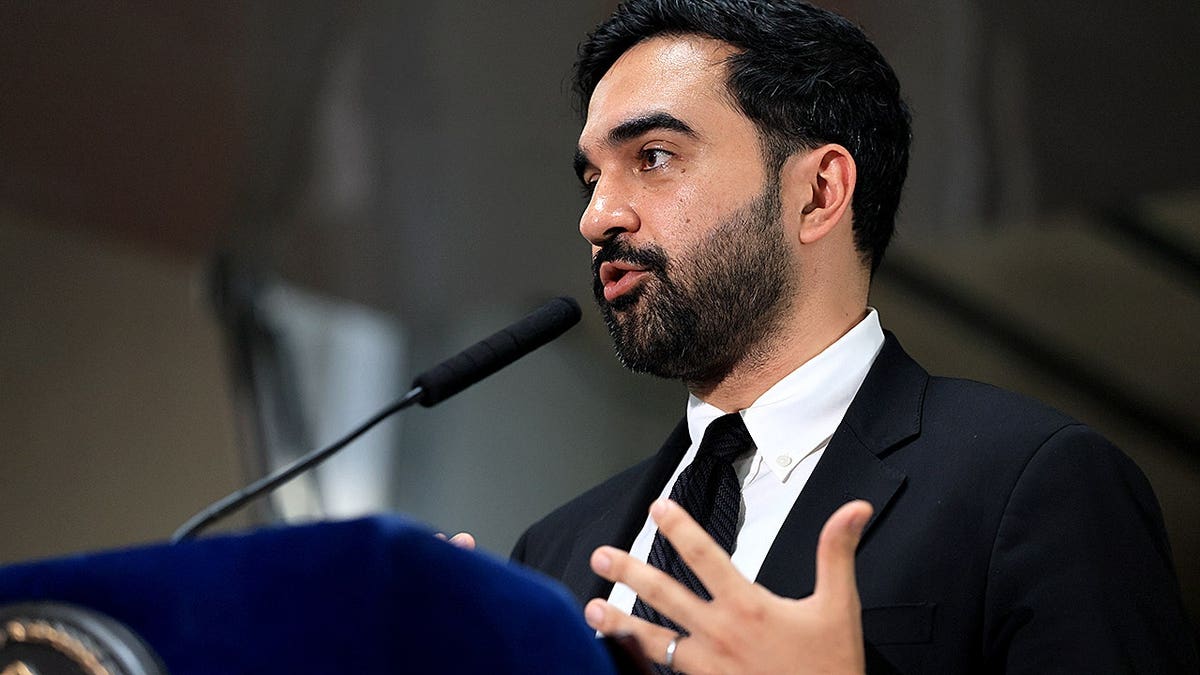
New York City Mayor Zohran Mamdani recently spoke about the potential for cash reparations for those affected by slavery. In a discussion on Tuesday, he emphasized waiting for the results from the city’s commission before committing to any decision. The commission was formed to examine the city’s historical role in slavery, and Mamdani expressed anticipation for its findings.
Discussion on Reparations
In an interview with Charles Blow for “The Root,” Mamdani was asked if he would support cash reparations if recommended by the commission. Mamdani recalled his campaign stance that New York had actively participated in the slave trade and perpetuated discrimination. He underscored the necessity of acknowledging New York City’s historical complicity in slavery.
Commission on Racial Equity
The New York City Commission on Racial Equity (CORE) was created in 2024 via Local Law 92. Its mission is to study the city’s contribution to slavery and its aftermath. A related initiative under Local Law 91 aims to publicly recognize this history and its impacts. CORE aims to release its report on reparations by July 2027, with plans for implementation beginning by June 2028.
Mamdani also committed $500,000 for discussions on reparations, amid the city’s economic challenges. Linda Tigani, chair of NYC CORE, stressed the importance of addressing the historical debt owed due to slavery and its effects on racial wealth disparities.
Community Engagement and Feedback
CORE has involved thousands of New Yorkers in formulating reparations recommendations to address these inequalities. However, they criticized Mamdani’s initial racial equity plan, stating it lacked comprehensive strategies and accountability metrics.
CORE organized city events, including a large gathering on Juneteenth, to further reparations conversations. Tyrik Washington, a political strategist, believes implementing reparations could reduce occupational segregation and promote pay equity within five to ten years.
A progress report from CORE highlighted $500,000 dedicated to community participation in reparations discussions for 2026. These funds are to incentivize involvement and cover event costs.