
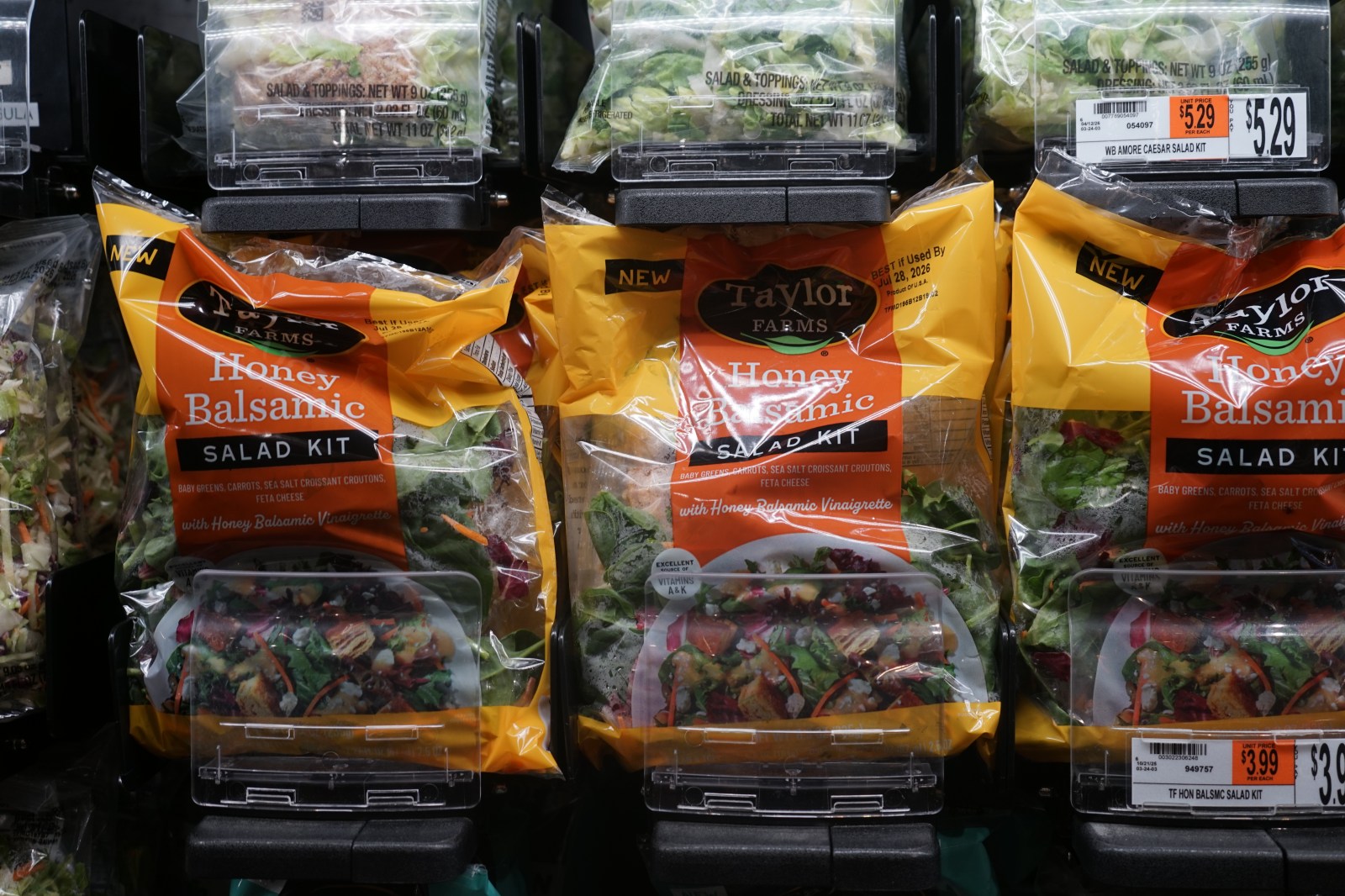
Health officials in North Carolina have stated that recent cyclospora cases in the state are likely from multiple sources, not linked to the Taco Bell outbreak. Over the last week, cyclospora cases surged as the national outbreak related to shredded lettuce persisted. This lettuce, sourced from central Mexico and sold at Taco Bell, contributed to rising cases in several states.
In a press conference on July 21, North Carolina officials explained the probable presence of multiple sources behind the spike in cases. Though there have been increases in previous years during June and July, this year’s numbers are unusually high. Carl Williams from the North Carolina Department of Health and Human Services commented on the variety of fresh fruits and vegetables that might carry cyclospora. He emphasized it was “likely, maybe probable” that different sources were involved.
“It’s not a single source or single food product from a single company,” Williams stated. He pointed out that while many cases in Michigan were linked to Taco Bell’s shredded lettuce, not all were.
When asked about specific produce contributing to cyclospora cases, Williams agreed that items like lettuce, parsley, and cilantro often appear in outbreaks. However, he cautioned against assuming these were definitive sources, noting that their frequent appearance makes them considerations.
The cyclospora outbreak spread widely across the U.S. this summer. According to the Centers for Disease Control and Prevention (CDC), there have been 4,173 confirmed cases and 308 hospitalizations in 41 states since May 1. Nevertheless, state health officials have recorded higher totals. In North Carolina alone, 561 cases arose since May 1, with 254 new cases between July 14 and 21, and 16 hospitalizations.
**Understanding Cyclospora**
Cyclospora cayetanensis is a microscopic parasite causing cyclosporiasis, a gastrointestinal illness. Symptoms include watery diarrhea, stomach cramps, nausea, fatigue, and appetite loss. Transmitted through food or water contaminated with infected human feces, humans are its only known host, according to the FDA.
Symptoms usually develop one to two weeks after consuming contaminated food or water. Unlike most foodborne illnesses, cyclospora is rarely spread directly between people, needing environmental time to become infectious. Health officials note fresh produce is often linked to outbreaks due to environmental contamination.
The North Carolina Department of Health and Human Services suggests certain safety measures for handling produce, such as cutting away damaged areas, rinsing before peeling, gently rubbing produce under running water, using a vegetable brush for firm items, drying produce with a clean cloth, and removing outer leaves of lettuce.
**CDC Reports Cyclospora Outbreak Expansion**
CDC data marks this cyclosporiasis outbreak as the largest in recent U.S. history. Initially, it included states like Michigan, Ohio, Indiana, Kentucky, and West Virginia. Recent reports from the Washington Post confirm the outbreak has now expanded to Illinois, Kansas, Oklahoma, and Pennsylvania. Authorities indicate patients in these states may have symptoms close to those in the initial states, though more investigation is pending to determine common connections.
Despite these developments, Health Secretary Robert F. Kennedy Jr. assured the outbreak is “under control,” referencing a federal investigation that identified sources and led to a significant lettuce recall. While the FDA reported a false positive test on Taylor Farms’ shredded iceberg lettuce, the company affirmed the error following FDA’s acknowledgment. Mexican Health Minister David Kershenobich reported no evidence of Mexico being the source but ensured precautions were being taken.