
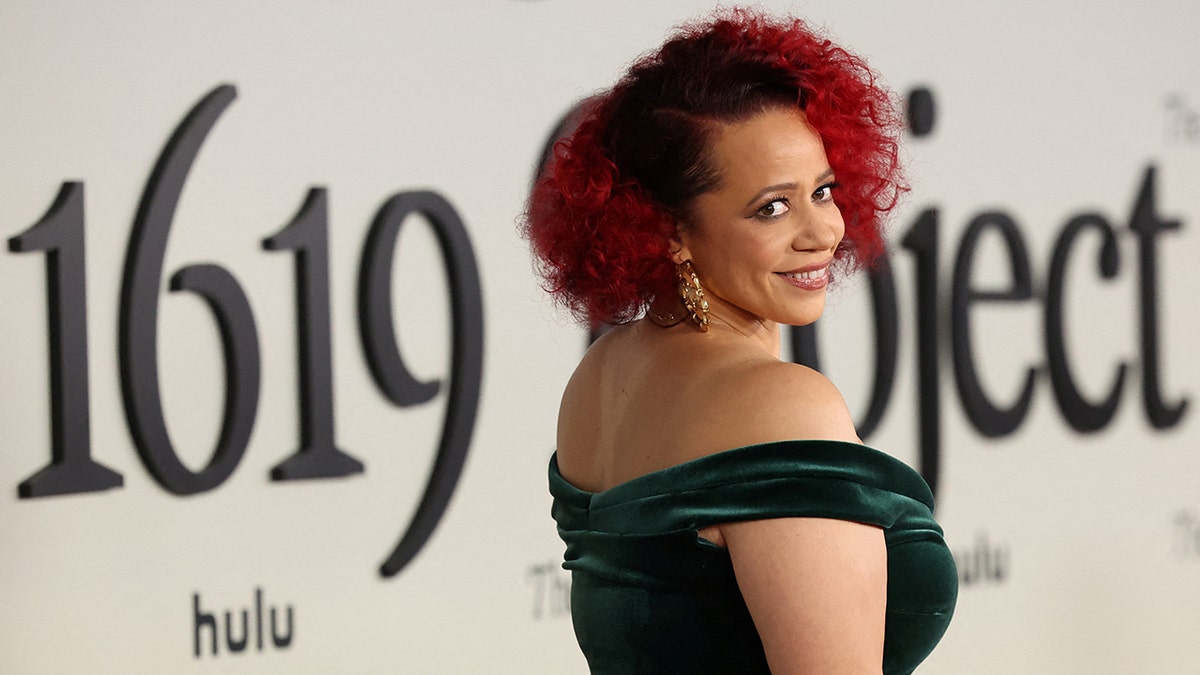
Nikole Hannah-Jones, the creator of the 1619 Project, recently made headlines for her assertion that reparations for slavery would represent an acknowledgment of the United States’ existence as a crime. Speaking last week, Hannah-Jones stated, “Paying reparations is an admission of the crime.” She clarified that this crime is not simply the result of isolated instances or policies but is woven into the entire fabric of the nation’s history.
Hannah-Jones shared these thoughts during an interview with The Meteor, a left-leaning media outlet. Brittany Packnett Cunningham hosted the discussion, which focused on slavery’s legacy and the reparations debate as the country nears its 250th anniversary. Hannah-Jones argued that the United States is deeply entrenched in a history that began with slavery, saying, “Slavery predates the founding of our country by 150 years.” Therefore, she believes that merely removing monuments and statues of enslavers is insufficient to address this legacy.
The 1619 Project, spearheaded by Hannah-Jones, is an effort by The New York Times to “reframe the country’s history” by emphasizing slavery and racism in the national narrative. While the project has received praise from liberal circles, it has faced significant scrutiny from historians who question its factual accuracy, especially concerning the American Revolution’s motivations.
Despite the criticisms, the project has expanded into an educational curriculum developed alongside the Pulitzer Center. This curriculum has reached numerous schools and educators, sparking resistance from parents and conservative lawmakers opposed to critical race theory (CRT).
During another interview, Hannah-Jones, who is a journalism professor at Howard University, remarked on the role of the American education system in the conservative opposition to initiatives like Juneteenth and CRT.
The ongoing debate around the 1619 Project and reparations highlights broader cultural and educational discussions within the United States as it grapples with its history and future.