
The long-awaited murder trial for Duane “Keffe D” Davis began on Monday. Prosecutors presented a detailed account of the events leading to the 1996 killing of rap icon Tupac Shakur. They argued Davis was central in orchestrating a retaliatory attack after Shakur and his entourage assaulted Davis’ nephew, Orlando Anderson, on the Las Vegas Strip earlier that day.
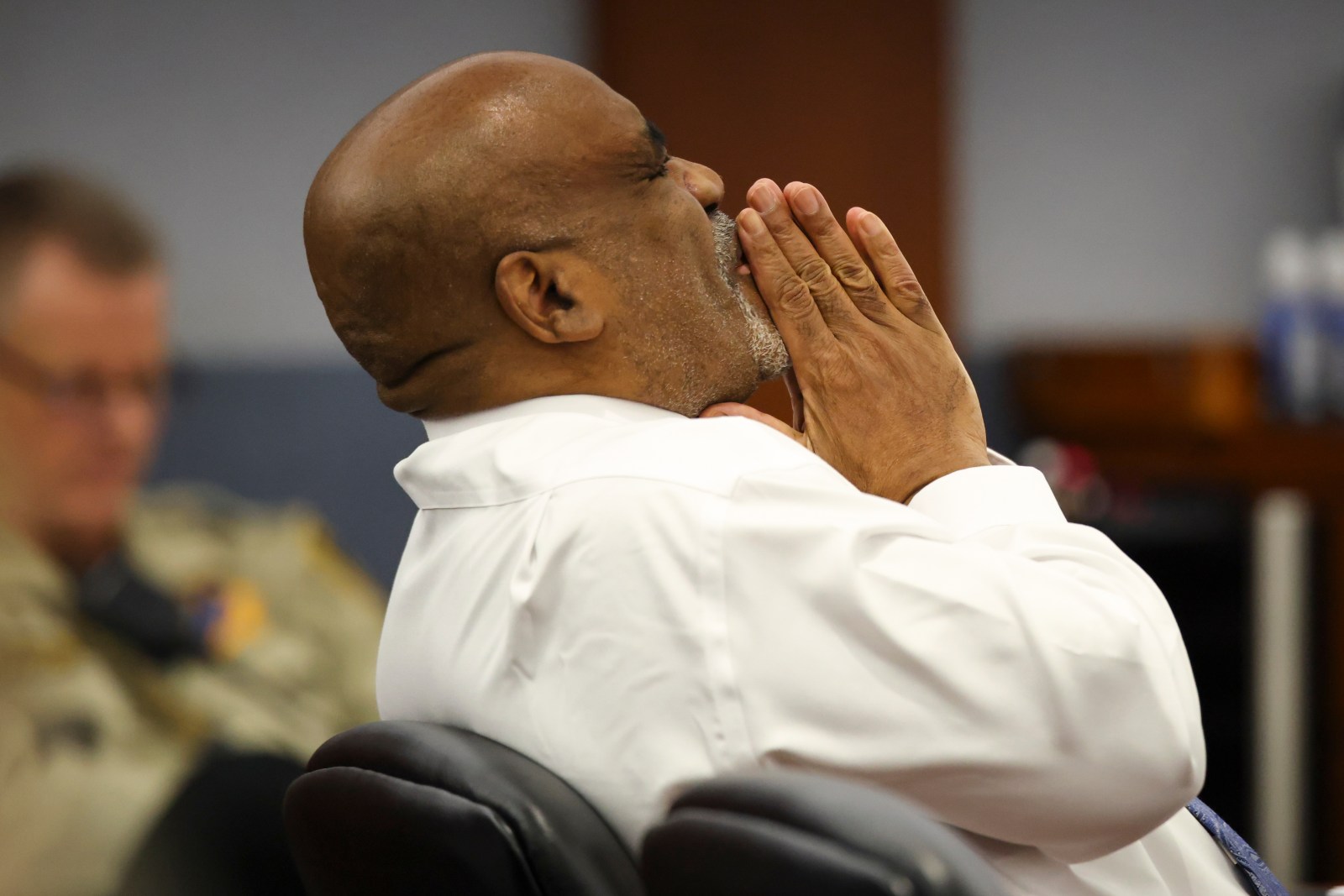
In the courtroom, Davis wore a blue suit and tie. Unshackled, he showed no visible emotion as prosecutors described the escalation from a gang rivalry into one of America’s most infamous unsolved killings. While Davis did not pull the trigger, prosecutors contended he planned the retaliation and supplied the weapon used in the shooting.
The Shooting’s Alleged Motive
Prosecutor Marc Wall explained to jurors that tensions between members of the Mob Piru gang, linked with Death Row Records, and Davis’ South Side Compton Crips had been building. This rivalry was evident in a past confrontation at Lakewood Mall in California, where a Mob Piru member had a chain snatched by South Side Crips members, heightening tensions.
On September 7, 1996, Shakur and his entourage confronted and attacked Anderson at the MGM Grand casino after a Mike Tyson fight. This beating was caught on camera and highlighted as pivotal in the case’s timeline.
Prosecutors stated Davis, enraged by the assault on Anderson, felt retaliation was necessary, demonstrating Shakur’s positioning in the gang dispute despite not being a gangster himself, but an artist.
Davis’ Recorded Statements
Central to the prosecution’s case are Davis’ recorded statements made during federal drug charge investigations. Davis allegedly offered information about Shakur’s murder rather than the intended target of the investigation during a secret proffer session in 2009. This session, recorded secretly, became public and portrayed Davis detailing events and naming key figures present.
Prosecutors emphasized that Davis not only recounted the events but also approached Eric “Zip” Martin in New York to implicate himself, highlighting Davis’ cooperation with authorities.
The Defense’s Argument
Davis’ attorney, Michael Sanft, countered by questioning the validity of decades-old statements. He highlighted that the case primarily rests on unverifiable statements rather than factual evidence, emphasizing the absence of independent proof of key elements in the prosecution’s theory.
Sanft pointed out a lagging investigation with early leads gone cold and faded memories. He noted missed opportunities for witness interviews and pointed out that the 2008 statements were never corroborated by the FBI, LAPD, or federal prosecutors until much later.
The defense criticized Detective Jason Johansson for focusing on “closing” rather than solving the case, suggesting reliance on Davis’ accounts without alternative theory exploration or contemporaneous documentation of investigative work.
Upcoming Trial Proceedings
With opening statements concluded, testimony from witnesses is the next step. These witnesses are expected to reinforce the events leading up to the shooting and Davis’ alleged role. While the prosecution does not claim Davis was the gunman, they plan to prove he orchestrated the attack and provided the weapon. If convicted, Davis faces the possibility of life imprisonment. He maintains a not guilty plea.