
With the conflict in Ukraine approaching closer to Moldova’s borders, the country, marking 35 years of independence, is facing increased pressure from Russia. Stanislav Secrieru, the national security advisor to Moldova’s President Maia Sandu, highlighted the dangers posed by Russia’s recent attacks on Ukrainian-Moldovan border infrastructure. These actions threaten Ukraine’s economy and its access to European markets.
In August, Russia started targeting Ukraine’s border areas near Moldova. With Ukrainian grain exports hindered by attacks on Black Sea ports, Moldova has become a crucial transit route for these exports to Romanian ports. To facilitate this, Moldova has halved rail transit tariffs.
“These routes are essential for Ukraine’s economy,” Secrieru told Fox News Digital. “Russia’s attacks aim to disrupt them. Despite increased violations of Moldova’s airspace, we will continue supporting Ukraine.”
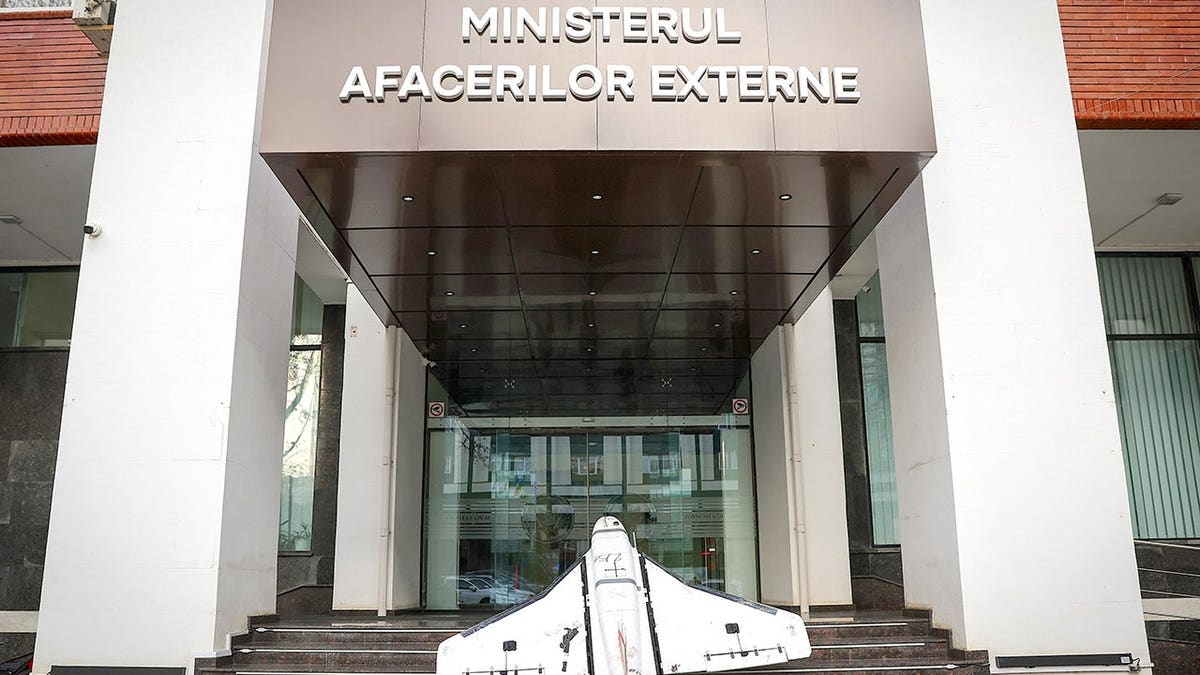
Moldovan President Maia Sandu noted five Russian drones violated the country’s airspace shortly before Independence Day, calling it an intimidation tactic. Since February 2022, Moldova has recorded numerous airspace violations, underscoring tensions in the region.
President Volodymyr Zelenskyy visited Moldova for Independence Day celebrations, acknowledging the shared challenges Moldova and Ukraine face due to Russian aggression. Zelenskyy stressed solidarity in overcoming these threats.
Both Moldova and Ukraine have applied for EU membership following Russia’s invasion. Russian efforts to destabilize Moldova complicate their EU aspirations. Moscow uses these conflicts to test boundaries with NATO, raising concerns among Baltic nations.
Russia employs hybrid warfare, including influence operations and disinformation campaigns, to exert influence in Moldova over 30 years after its independence from the Soviet Union. Around 1,500 Russian troops remain in Transnistria, a breakaway region of Moldova.
Ivana Stradner from the Foundation for Defense of Democracies remarked on Russia’s strategy to push Europe without triggering a robust response. Stradner warned of potential parallels between the situation in Moldova and the Baltics.
Baltic states like Estonia and Latvia are closely monitoring developments in Moldova, understanding the broader implications of Russia’s maneuvers. While their immediate threat assessment is unchanged, Russia’s actions demand serious attention.
Moldova aims to strengthen ties with the West, with recent electoral trends and a referendum supporting EU membership.