
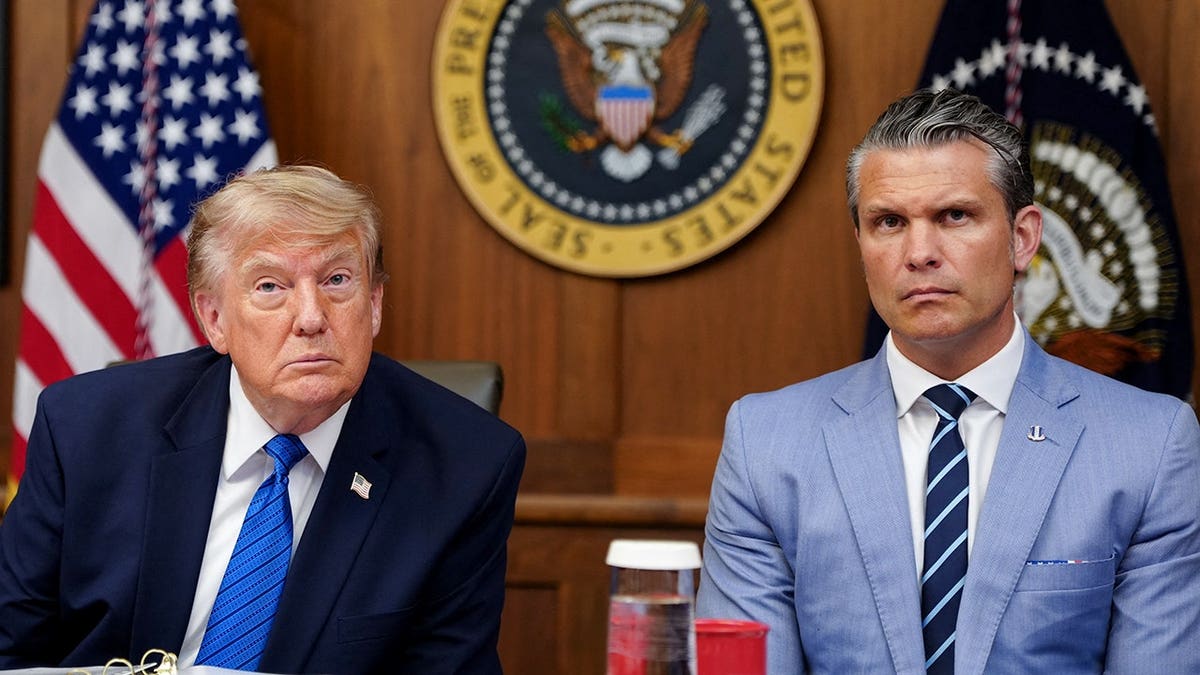
Jesse Watters and Jimmy Failla have expressed their views on a recent military policy under the Biden administration. Pete Hegseth has proposed a testosterone screening program for military personnel, focusing on optimizing natural capabilities.
Failla supports the move to prioritize “protein” over “pronouns” for enhancing military strength. However, he cautions about potential risks.
New Screening Guidelines
The Pentagon announced new clinical guidelines for a mandatory testosterone deficiency screening policy. This policy affects active-duty and reserve service members aged 30 and older. Defense Secretary Pete Hegseth stated the goal is to ensure service members operate at their best by maintaining proper testosterone levels.
“Taking care of your long-term health means ensuring you remain strong, resilient, and capable,” Hegseth said, emphasizing the importance of health for future deployments and life after service.
The Pentagon issued new guidelines mandating testosterone screening for men aged 30 and up. Tests for younger men will occur if requested or if warning signs appear.
Men with low testosterone may receive further evaluation. Clinically appropriate cases might be offered voluntary hormone replacement therapy. Normally, testosterone increases during puberty, aiding muscle strength, body hair growth, and sperm production. However, levels decline naturally between ages 30 and 40.
Guidelines for Women
Women are not required to undergo routine testosterone testing. However, they will be screened for issues like fatigue and disrupted menstrual cycles, which can link to hormonal imbalances and low-energy availability.
There are specific guidelines on prescribing off-label testosterone for women, especially for postmenopausal women experiencing low sexual desire. Non-medical use of testosterone without a prescription remains prohibited in the military.
Concerns and Expert Opinions
While the new policy aims to boost readiness by addressing hormonal and energy issues, some medical experts express concerns. They worry that widespread testosterone testing could lead to unnecessary or harmful treatments. They argue there’s insufficient evidence supporting universal screening’s benefit for military readiness.
The FDA will hold a meeting with experts to discuss the medical use of testosterone later this month.