
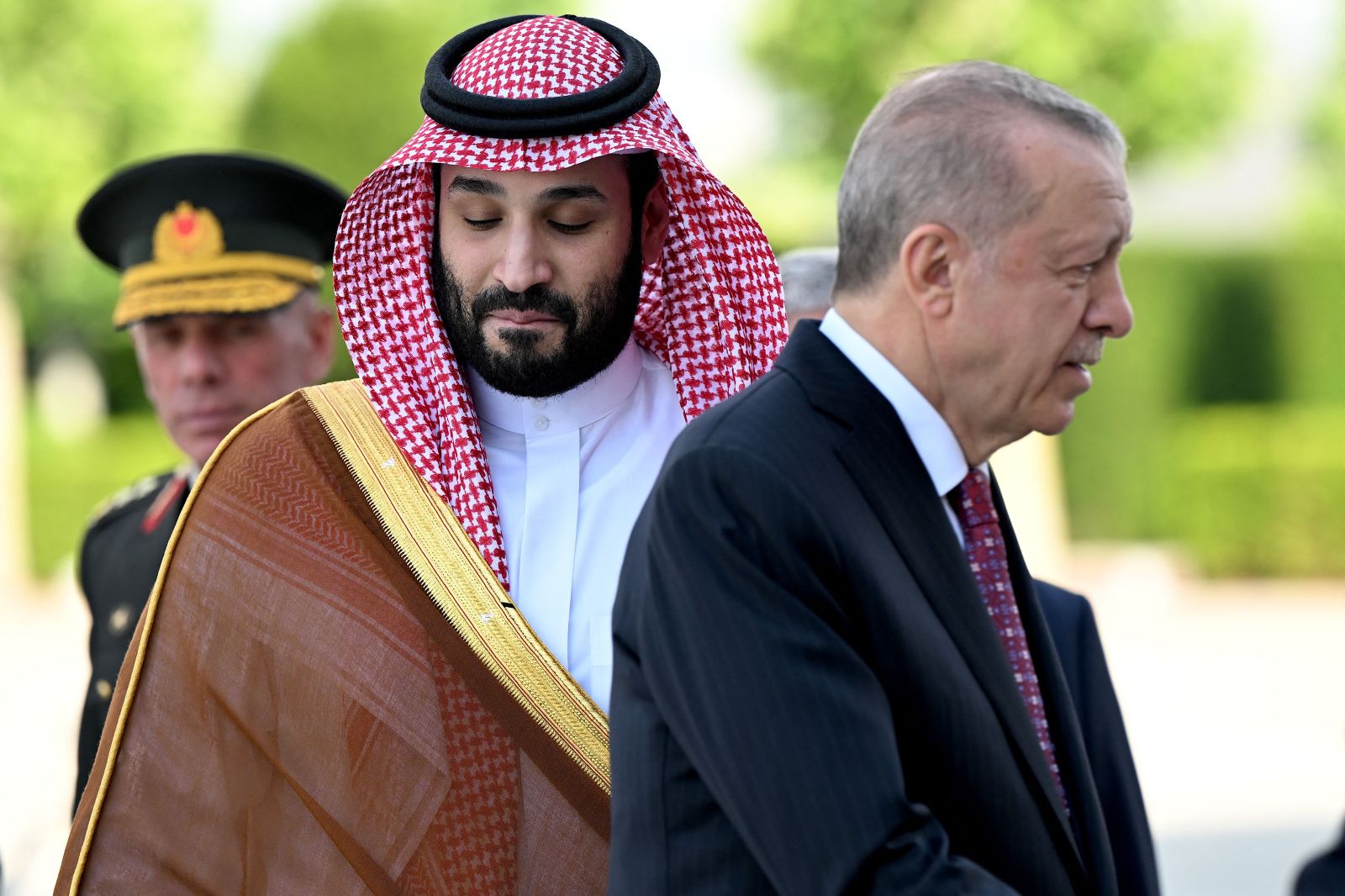
Saudi Arabia, Turkey, and Pakistan have inked a mutual-defense pact named the ‘Mecca Joint Defence Agreement.’ This accord could shift the power dynamics in the Middle East amidst ongoing unrest due to the conflict involving Iran. Signed after extensive dialogue, the agreement mirrors a NATO-style defense framework. It declares that an armed attack on one is an attack on all, thus fostering cooperation among these significant regional powers.
The Regional Crisis
The alliance’s announcement arrives as the region grapples with conflict. Attacks on infrastructure and shipping lanes by Iran heighten tensions, prompting these nations to bolster alliances. The collective defense stance in the agreement marks an increased response to potential threats against Saudi Arabia.
This accord obliges a unified response. It may pull Turkey and Pakistan into any future confrontation involving Saudi soil, though it is described as a strictly defensive mechanism targeting no specific country.
Saudi Arabia’s Frontline Position
Saudi Arabia faces emerging threats due to its geopolitical position. Iranian-backed missile and drone strikes are ongoing challenges. The kingdom is exploring alliances to counter these risks. Saudi Arabia, Turkey, and Pakistan, along with Egypt, are forming a coalition increasing regional security partnerships amid rivalry with Iran.
Geopolitical Competition
This pact is not solely focused on Iran. There’s a larger regional power struggle. Alliances such as that of Israel, UAE, and India are also forming. Strengthened by the Abraham Accords, these nations are enhancing defense collaboration with each other and the U.S.
Addressing this broader rivalry, analyst Marc Saxer highlights that Saudi Arabia and its partners aim to counterbalance both Iran and Israel. Talks between Israeli and Indian leaderships signal intensified partnership, adding a layer of complexity to the regional landscape.
Shifting Reliance from the U.S.
This occurs as regional countries reassess the role of the U.S. in Middle Eastern security. The ongoing conflict has prompted independent security arrangements. Abdulaziz Sager of the Gulf Research Center emphasizes this trend by indicating regional cooperation marks a shift toward local security frameworks. The agreement could form the basis for a Middle Eastern security architecture less reliant on Washington.
Ongoing Questions
The practical application of this defense pact remains uncertain. Details on military commitments are sparse. Consequently, the agreement may serve better as a political deterrent than an automatic military response mechanism.
If Saudi Arabia encounters further aggression, notably from Iran, there is potential for widespread regional involvement, including Turkey and Pakistan. This potential for multiple actor involvement escalates the stakes considerably.
By fostering their own alliances, Middle Eastern powers aim to redefine security dynamics as they navigate a region influenced heavily by Iran’s activities. This agreement marks a significant strategic development in regional politics.