
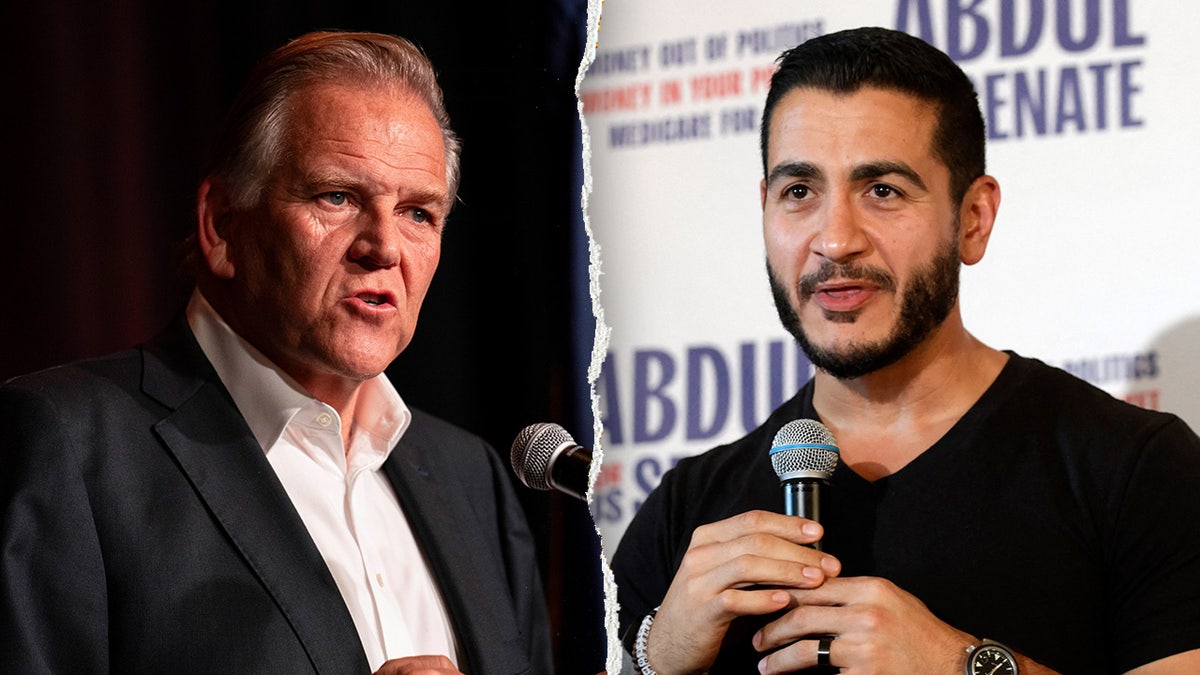
Michael LaRosa, former press secretary for Jill Biden, recently announced that he won’t support Michigan Democratic Senate candidate Abdul El-Sayed due to El-Sayed’s ties to far-left streamer Hasan Piker. This stance is unusual given LaRosa’s Democratic background. LaRosa criticized El-Sayed for not distancing himself from Piker, who has made controversial statements regarding the Sept. 11 attacks.
Piker sparked outrage in 2019 when he said, during a livestream, that ‘America deserved 9/11.’ Despite this, El-Sayed has campaigned alongside Piker and argues that being associated with Piker doesn’t imply endorsement of all his views.
For LaRosa, the issue is personal. He revealed that the mother of his best friend died on Sept. 11 after choosing to jump from the 95th floor of the World Trade Center rather than face the fire. LaRosa expressed that he couldn’t support anyone unwilling to oppose extremists which suggests a more profound rift within the party.
“I won’t defend or support anyone who is too cowardly to stand up to extremists who think the mother of my best friend deserved what happened to her,” LaRosa wrote.
LaRosa’s criticisms underline a growing fault line in the Democratic Party concerning extremism and political rhetoric. These internal divisions might encourage some Democrats to reconsider their party loyalties, especially in vital elections.
Abdul El-Sayed is competing against Republican former Representative Mike Rogers for an open Senate seat in Michigan. The seat’s current holder, Democratic Senator Gary Peters, is retiring, making this contest significant. The election outcome could impact the Senate’s control, and even slight shifts in Democratic support might prove crucial.
This situation reflects broader political dynamics where divisions within a party can influence major electoral outcomes. It is a pivotal moment in Michigan’s political landscape, with potential implications for national politics.