
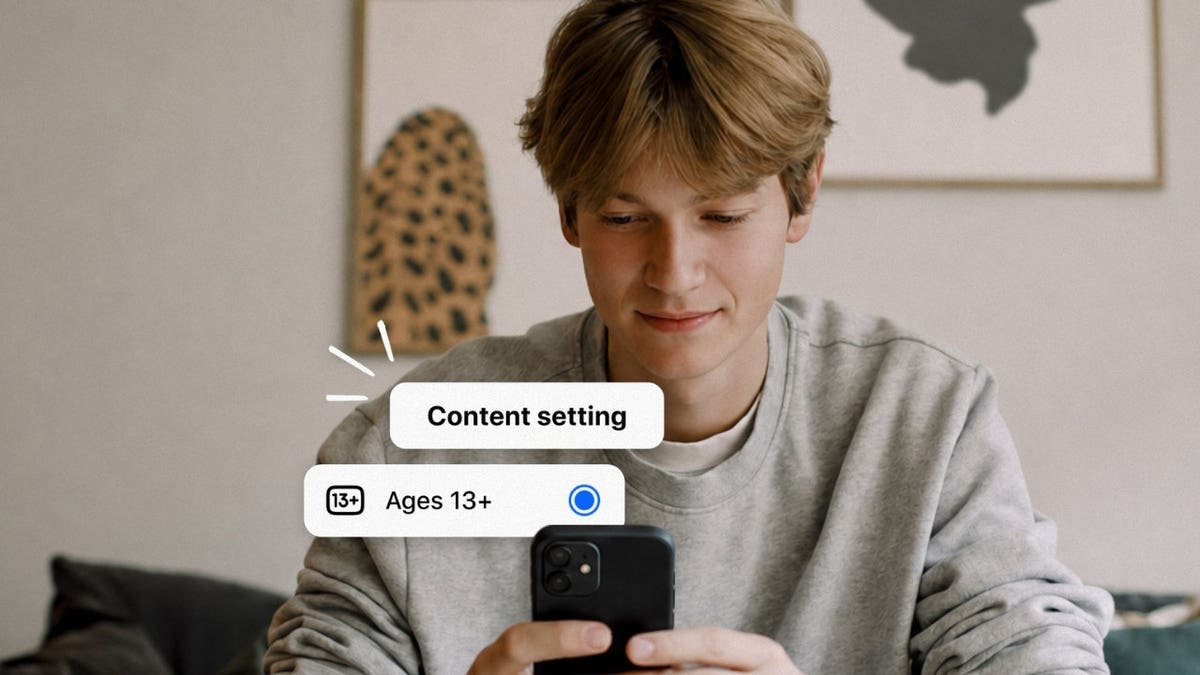
Meta has reached a landmark settlement that introduces significant changes to how teens engage with Facebook and Instagram in the United States. The agreement, approved by a judge on August 27, establishes a default two-hour daily usage limit for users under 18 on both platforms. It also restricts app access overnight, offering parents enhanced control over settings that teenagers might adjust.
“Meta’s move aims to balance teen use with necessary supervision and boundaries while yielding stronger parental oversight.”
The settlement goes beyond mere reminders and introduces multiple new measures:
Daily Limit of Two Hours
Meta is implementing a combined two-hour daily limit across Facebook and Instagram for teens. Time spent scrolling either app contributes to the total, although direct messaging and certain longer multimedia content are exceptions. A teen needs parental permission to override this limit, providing a more actionable boundary than previous reminders.
Night Mode Restrictions
Night Mode curbs overnight app usage, blocking most activity from midnight to 6 a.m. Direct messaging remains accessible during these hours, allowing communication without extensive app use. Push notifications are disabled by default from 10 p.m. to 7 a.m., focusing on urgent alerts only.
School Mode Notifications
School Mode mutes most push notifications from 8 a.m. to 3 p.m. during school days, although direct messages, security, and safety alerts are exempt. This feature aims to reduce distractions during school hours.
Frequent Reminders
Meta plans to issue more frequent screen-time prompts, arriving every 15 minutes of continuous use and at key usage milestones up to the two-hour limit.
Teen Viewing Experience Changes
Teens can opt for a non-personalized feed default, bypassing Meta’s recommendation systems. Autoplay settings can be individually managed as well, allowing content consumption control.
Adjustments to Likes and Filters
Meta will hide like and reaction totals for teens by default and expand restrictions against appearance-enhancing filters. This provides young users a social experience less focused on appearance and feedback.
Enhanced Age Verification Practices
Meta is advancing its technology to better detect users under 13 and accurately verify ages to ensure protections are adequately applied.
Parental Alerts and Controls
Meta will issue alerts when secondary accounts are linked or interactions with suspicious accounts occur. Updates on attempts by teens to alter settings ensure parents remain informed.
Meta’s Teen Accounts laid foundations for these protections, already offering age-related automatic settings and controls.
Financial Package Linked to Rival Compliance
The settlement includes a financial framework involving TikTok and YouTube compliance on similar measures. Participation from these platforms could extend Meta’s commitments to a ten-year period and introduce stricter defaults.
Industry-Wide Coordination
Meta urges TikTok and YouTube to adopt similar protective frameworks, arguing for industry-wide youth safety measures across multiple platforms.
Independent Oversight Guarantees Compliance
Annual audits will check Meta’s adherence over a five-year period, ensuring objective compliance with the new rules.
Parents can proactively apply the following:
- Set up Meta’s parental supervision tools for enhanced oversight.
- Regularly check screen time and adjust accordingly.
- Review privacy and contact settings to maintain safety.
- Use phone-level controls for comprehensive protections.
- Set a family nighttime routine to manage phone use.
This agreement marks a significant shift for meta management, highlighting the role of proactive measures and industry involvement in improving teen user experiences while ensuring much-needed safety online.