
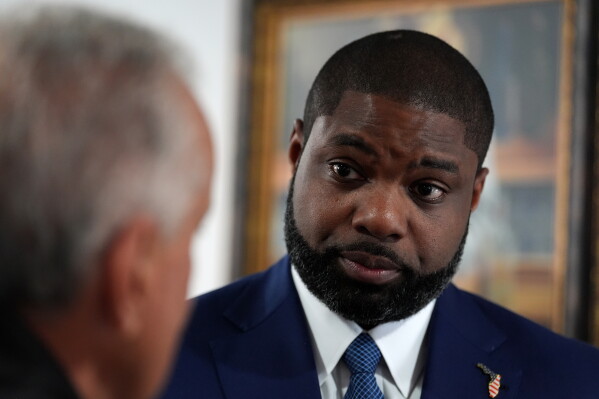
As the primary season draws to a close, notable outcomes emerged from recent elections across several states. In Florida, Democratic voters elevated another progressive Senate candidate, while Republican Rep. Byron Donalds, President Donald Trump’s preferred candidate, secured the nomination to become the state’s first Black governor. The elections presented various challenges for incumbents due to Republican-led redistricting efforts. Voters in Alaska, Wyoming, and California also selected nominees, sometimes involving candidates with identical last names. These contests will influence the upcoming midterms, with control of Congress in question.
Historic Candidacy for Florida Governor
Byron Donalds, a prominent Republican, has won the party’s nomination to replace Gov. Ron DeSantis, who faces term limits. Donalds joins a historic slate of Black gubernatorial candidates nationwide. Other Republican nominees include Rep. John James in Michigan and Lisa Demuth in Minnesota. Democratic candidates include David Crowley in Wisconsin, Attorney General Aaron Ford in Nevada, and former Atlanta Mayor Keisha Lance Bottoms in Georgia. These developments highlight the potential for either Bottoms or Demuth to become the first Black woman governor in the U.S.
Currently, Democrat Wes Moore of Maryland is the country’s sole Black governor. Donalds will compete against David Jolly, a Democrat and former Republican, who captured the Democratic nomination.
Wasserman Schultz Secures Victory Amid Redistricting
In Florida, redrawing of congressional maps by Republicans led to challenging races for Democrats. Longtime U.S. Rep. Debbie Wasserman Schultz won against former Rep. Sheila Cherfilus-McCormick and other Black candidates in a plurality-Black district. Cherfilus-McCormick had resigned due to pending federal charges but sought her seat again. Wasserman Schultz, seeking her 12th term, was the lone white candidate in a district associated with Black Democrats since 1992, inciting criticism and opposition.
Trump’s Endorsed Candidates Face Mixed Outcomes
While Donalds achieved success, another Trump-backed candidate, Catalina Lauf, was defeated by Jim Schwartzel in Florida’s congressional race. The competition featured several contentious figures, including those with criminal histories and past political scandals. Challengers included former North Carolina Rep. Madison Cawthorn and former New York Rep. Chris Collins, both linked to controversial incidents and legal battles. Lauf had previously run for Congress in Illinois without success.
Progressives Make Gains Against Establishment Candidates
In Florida, progressive lawmaker Angie Nixon triumphed over establishment-backed Alex Vindman in the Democratic primary. Nixon will now challenge interim Sen. Ashley Moody in the race to complete the Senate term of former Secretary of State Marco Rubio. Elsewhere, U.S. Rep. Jared Moskowitz secured reelection in a new Republican-leaning district, defeating Oliver Larkin, a union organizer and democratic socialist.
Incumbent Republicans Experience Setbacks
Republican Cory Mills lost his reelection bid to Ryan Elijah. Mills dealt with various controversies, including allegations of domestic violence. Though initially supported by Trump, he was left without endorsement in recent days. Conversely, in Alaska, Republican Sen. Dan Sullivan faces a competitive race that includes another candidate with the same name, purportedly misleading voters. Former U.S. Rep. Mary Peltola could be the first Alaska Native senator if victorious.
Wyoming Gubernatorial Race Upset
In Wyoming, Trump’s supported candidate, Megan Degenfelder, faced defeat by state Sen. Eric Barlow, a former House Speaker and Marine veteran. Trump’s gubernatorial endorsements have seen varied success across states, contrasting with better outcomes in Senate races like the triumph of Rep. Harriet Hageman.
Outside Influence in California Races
California voters selected Aisha Wahab and Melissa Hernandez in the race to fill Rep. Eric Swalwell’s seat. Pro-Israel groups significantly influenced the election through financial contributions aimed at supporting Hernandez over Wahab. This spending reflects similar attempts that often swayed outcomes in other states, including Michigan.