
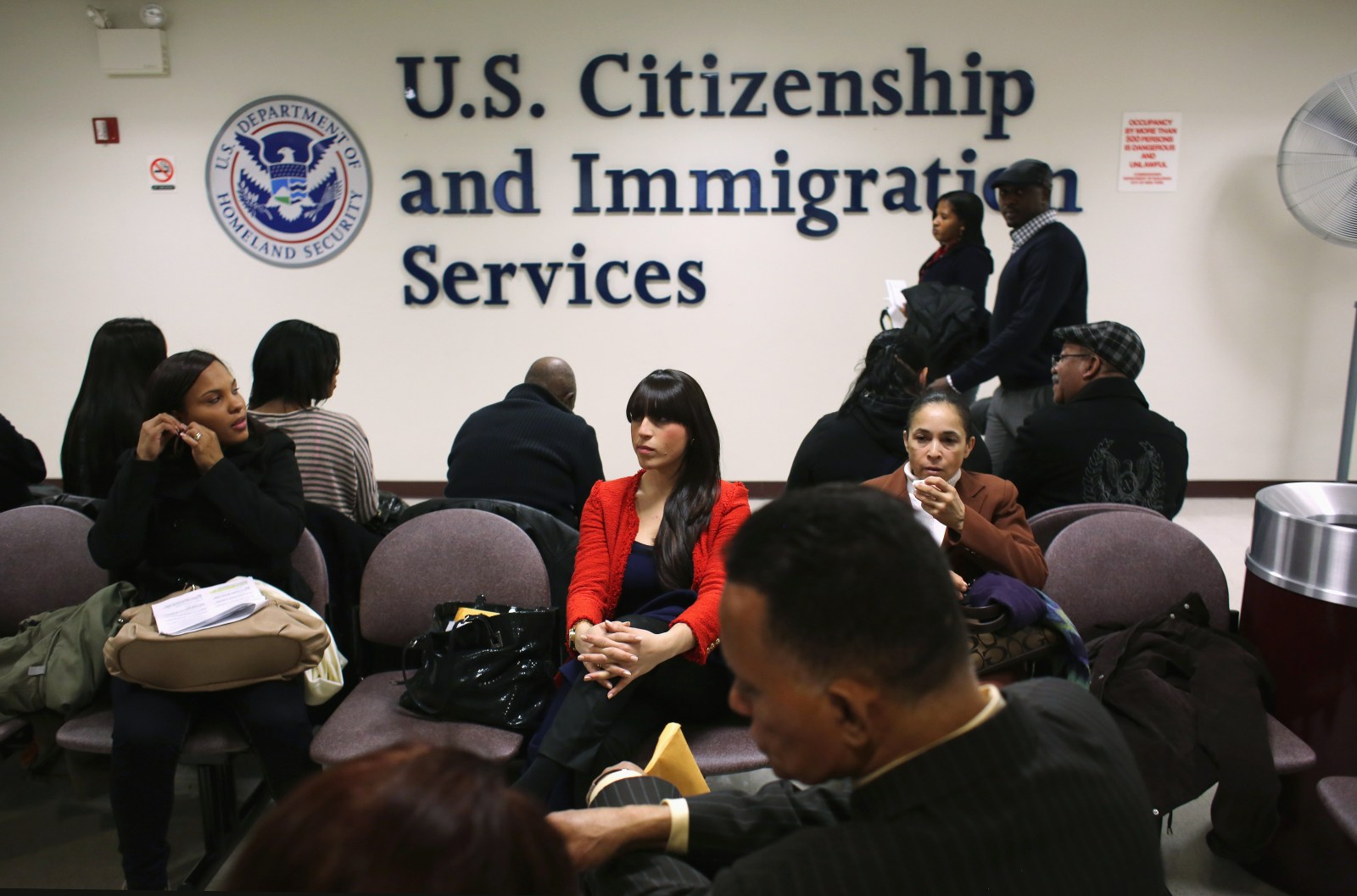
Green card applicants, international students, and those seeking visas face significant changes in the U.S. immigration system as new policies take effect. These developments include new immigration forms, a revised public-charge framework, and the release of the October Visa Bulletin, marking the fiscal year 2027’s start.
Updated I-539 and I-765 Forms
On September 15, the Department of Homeland Security (DHS) introduced a new admission framework for certain nonimmigrants on F, J, and I visas. This change requires the use of updated editions of Form I-539, for extending or changing status, and Form I-765, for employment authorization. Older editions will no longer be accepted beyond this date. The changes replace the previous ‘duration of status’ model with fixed admission periods.
Under the old system, many F-1 students were admitted without a specific expiration date. Now, affected nonimmigrants will have set admission periods, with extension requests available as needed. This impacts international students, exchange visitors, and foreign media representatives. Filing the correct form edition, dated September 15, 2026, is crucial as previous editions will be rejected.
Changes to Form I-485 and Public Charge Rules
Starting September 18, USCIS mandates a new edition of Form I-485 for those seeking lawful permanent residence through adjustment of status. Outdated editions, whether mailed or submitted electronically, will not be accepted. Though the form revision requires additional information, the eligibility requirements remain unchanged.
On September 18, a new DHS public-charge rule takes effect, replacing the 2022 regulations. It provides immigration officers with greater discretion in determining if an applicant might become a public charge. This evaluation considers factors like age, health, family, financial resources, and education. Importantly, receiving public benefits doesn’t automatically render an applicant inadmissible. Officer discretion plays a significant role, with all applications postmarked or submitted on or after September 18 subject to these new rules.
“Applicants should expect to provide more evidence to show they will not be a public charge,” Stephanie Lewin from Waypoint Immigration USA advised. “More scrutiny and subjective denials may occur under this new policy.”
Poonam Gupta from Summit Legal PLLC highlighted the rule’s impact, noting, “The crucial change is the expanded officer discretion in evaluating the entire household’s situation.”
Upcoming October Visa Bulletin
The State Department is preparing to release the October Visa Bulletin, the first in fiscal year 2027. This bulletin resets immigrant visa allocations for employment-based and family-sponsored categories. October is a pivotal month because it often allows for visa issuance to resume in previously capped categories. The October bulletin will establish priority-date cutoffs for these immigrant visa categories, influencing adjustment-of-status applicants accordingly.
As of September 14, the October Visa Bulletin remains unpublished, drawing keen anticipation from those affected.