
Japan’s central bank has taken decisive action, raising its benchmark interest rate by a quarter of a percentage point to 1 percent. This move marks the highest rate level in 31 years and occurs amidst global inflationary pressures caused by increased energy costs from the Middle East conflict.
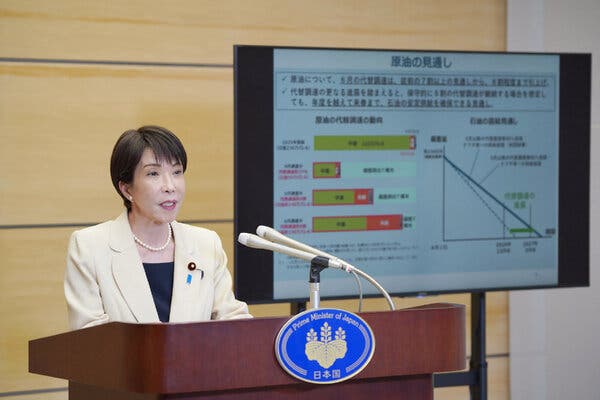
Prime Minister Sanae Takaichi’s government is facing challenges from rising interest rates, despite her wishes against such measures. The bank’s action aligns with similar steps taken by major global central banks to tackle anticipated spikes in inflation.
The Bank of Japan’s decision on Tuesday addresses the inflationary pressures from rising crude oil prices. These pressures are anticipated to manifest in Japan’s pricing data this month and persist through the end of the year. The closure of the Strait of Hormuz has contributed significantly to the surge in oil, gas, and commodity prices. An agreement between the United States and Iran to reopen the strait brings hope for relief, yet economists predict continued challenges because of war-related disruptions to supply chains.
This proactive stance is influenced by lessons learned during the 2022 energy disruptions caused by Russia’s invasion of Ukraine. The European Central Bank initially deemed inflation as “transitory” and delayed rate increases, only to later witness eurozone inflation exceed ten percent. Currently, the E.C.B. has swiftly adjusted its strategies, raising rates on Thursday. Additionally, U.S. inflation is climbing rapidly, prompting the Federal Reserve to evaluate its policies under new chairman Kevin Warsh during this week’s meeting.
Japan’s strategy to raise interest rates aims to mitigate the anticipated price surge and stabilize the economy amidst challenging global circumstances.