
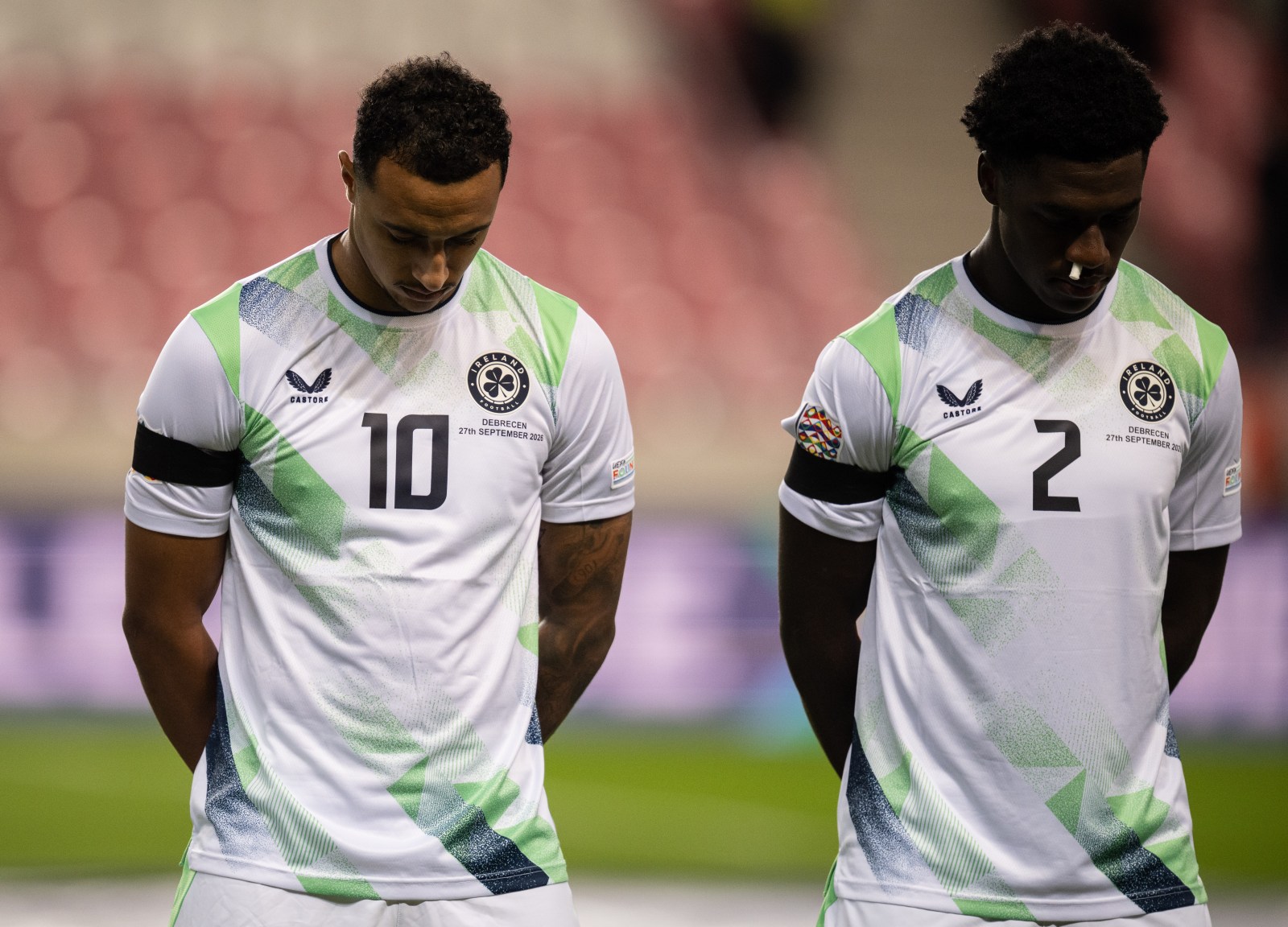
The Republic of Ireland and Israel are set to face off for a second time in eight days on Sunday in the UEFA Nations League. The match arrives amidst ongoing controversy related to the war in Gaza. Last Sunday’s match led to a 3-0 victory for Ireland and drew international attention as political tensions influenced the event significantly.
Many Irish politicians and activists had called for a boycott of the match, while Irish players participated in pregame protests. Comments made by both sides following the match continued the fallout. The teams played in Hungary last Sunday as part of the Nations League’s home-and-away format. They are scheduled to meet again in Serbia for what is designated as Ireland’s home game due to the Football Association of Ireland’s (FAI) decision not to host the match in Ireland. Despite security concerns, Israel has been scheduling international matches outside its borders in response to the ongoing conflict, often in Hungary.
Reasons for Controversy
The controversy surrounding Ireland and Israel’s matches stems from preexisting tensions. The conflict was initiated by Hamas, a Palestinian militant group, attacking Israel on October 7, 2023, which has since sparked political discord across Europe. Ireland is one of the countries most critical of Israel’s military actions in Gaza.
The conflict has permeated into sports and entertainment, sparking debates over athlete activism, public protests, and Israel’s participation in international competitions. Pressure increased on the FAI when the Nations League draw grouped the two teams, given Israel’s membership in UEFA since the 1990s.
An open letter supported by over 160 Irish sports figures urged against the games, with activists organizing protests under the banner “Stop the Game.” Irish goalkeeper Gavin Bazunu withdrew, believing participation was inappropriate due to the conflict. FAI Chief Executive David Courell stated that a majority of Ireland’s players voted to proceed with the matches after internal discussions.
Tensions Surround the Matches
Before their first match in Debrecen, Hungary, Irish players showed solidarity with a silent protest during Israel’s national anthem, wearing black armbands. The match omitted the traditional pre-match handshake, including exchanges between captains Dara O’Shea and Manor Solomon.
Solomon later expressed in Israeli media: “Obviously they hate us, and we don’t like them,” which gained attention ahead of their second encounter.
The FAI raised concerns about racial abuse allegedly directed at Irish forward Adam Idah during the match. The pre-match protest received extensive coverage, intensifying debate over whether Ireland should have played Israel.
Throughout the week, tensions remained a key topic as Ireland prepared for the upcoming match.
Coach Predicts Heated Second Match
Ireland coach Hallgrímsson acknowledged the emotional strain placed on players due to the controversy during this intense period of international play. Following Ireland’s 2-2 draw against Austria, Hallgrímsson expressed gratitude for the support from fans, noting the emotional toll the situation has taken.
When asked if the first match’s events would heighten tensions before Sunday’s game, Hallgrímsson replied, “It’s not going to be a friendly.”
The tensions were evident again Saturday at Ireland’s press conference in Serbia, cut short due to questions from Israeli journalists tied to political controversies and allegations about Ireland’s conduct. Hallgrímsson suggested UEFA should consider the implications of similar matchups in the future due to the pressure they put on players.