
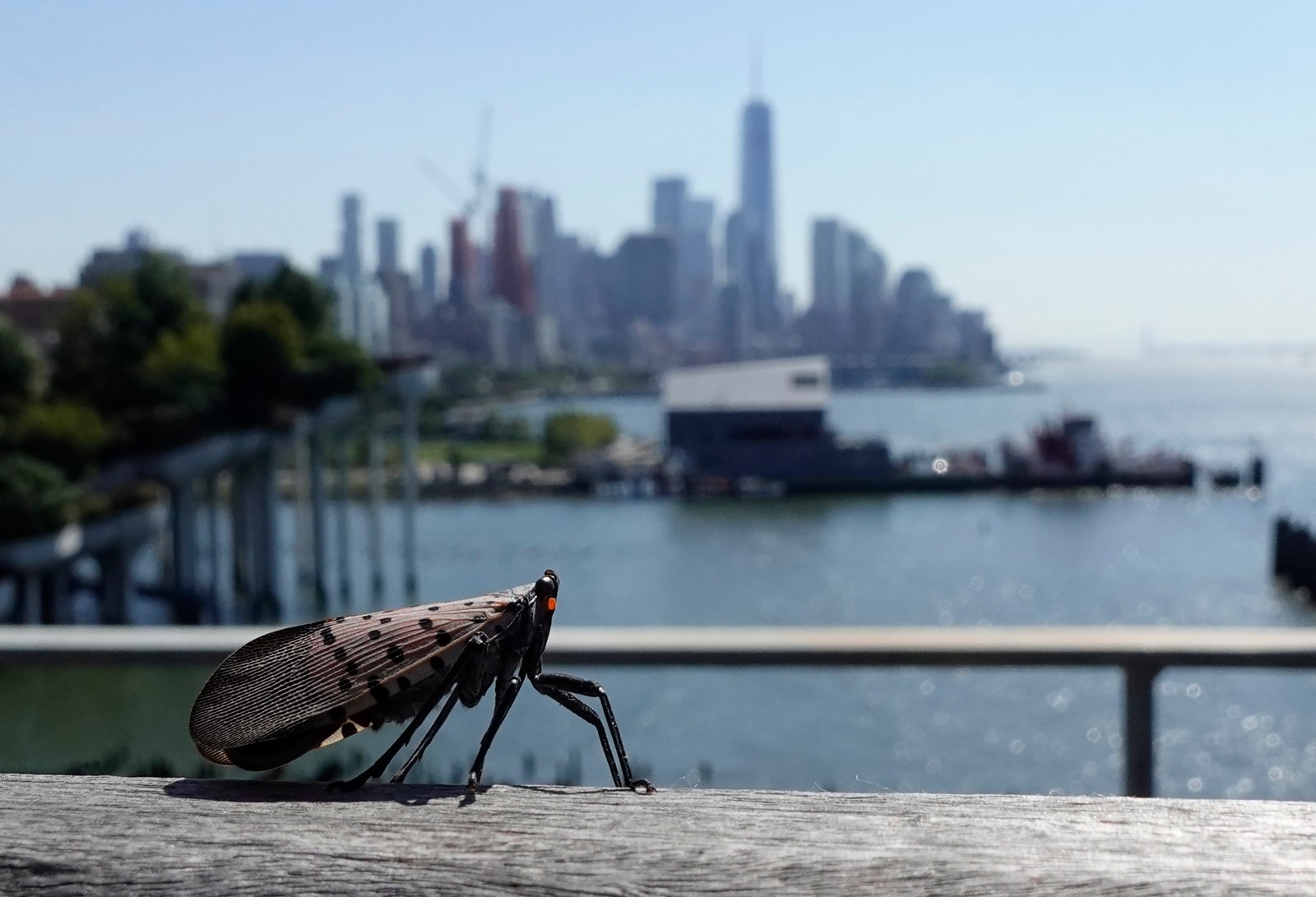
Warnings about invasive species have intensified, with scientists highlighting the rapid spread anticipated this summer. Across the U.S., these threats are no longer emerging risks. They are established, expanding and reshaping ecosystems. The U.S. Geological Survey (USGS) highlights the damage invasive species can cause, impacting habitats and outcompeting native species, including those already vulnerable.
A growing number of invasive species are spreading from the Midwest waterways to Southern wetlands and Northeast forests. Factors driving these changes include climate change, global trade and shifting environmental conditions.
How Species Get In
The introduction of non-native species occurs through various pathways: shipping containers, ballast water, wildlife trade, imported plants and tropical cyclones. Authorities use measures to limit their spread, such as firewood transportation restrictions, boat-cleaning requirements and controls on the movement of fruits, vegetables and plants. Currently, there’s a record of nearly 15,000 non-native species filed with the U.S. Register of Introduced and Invasive Species.
“Humans have been moving species around for a long time,” stated Sara Kuebbing from Yale School of the Environment, emphasizing the high risks associated with invasive species.
What Counts as an Invasive Species
USGS scientists employ field surveillance and genomic analysis to track these species, providing data to agencies to prevent and reduce ecological damage. The spread is challenging to manage, with species using connected waterways, rising temperatures and transport networks to their advantage. While management efforts persist, many of these species are deeply integrated into local ecosystems.
Examples of Pests and Their Impact
- Golden Mussels (California and Spreading): Known for rapid reproduction, posing risks to water supply networks.
- Burmese Pythons (Florida Everglades): Disrupt local food chains by preying on native wildlife.
- Spotted Lanternfly (Northeast and Midwest): Damages crops and feeds on trees, impacting agriculture and forestry.
- Feral Swine (Southern United States): Cause damage to crops and carry numerous diseases.
- Emerald Ash Borer (Widespread across the US): Destroys millions of trees, impacting native ash populations.
- Northern Snakehead Fish (Mid-Atlantic): Threatens native fish and could disrupt inland fisheries.
- Asian Carp (Mississippi River Basin): Persistent threat to U.S. waterways, potentially moving towards the Great Lakes.
- Nutria (Gulf Coast wetlands): Rodents damaging wetland ecosystems by increasing erosion.
- Giant African Land Snail (Florida Outbreaks): Damages crops and carries harmful parasites, needing ongoing containment.
A Country Adapting to a New Normal
These species signify a nationwide ecological shift. Prevention is no longer the sole focus for scientists and policymakers. Containment and adaptation are critical in navigating an evolving landscape.