
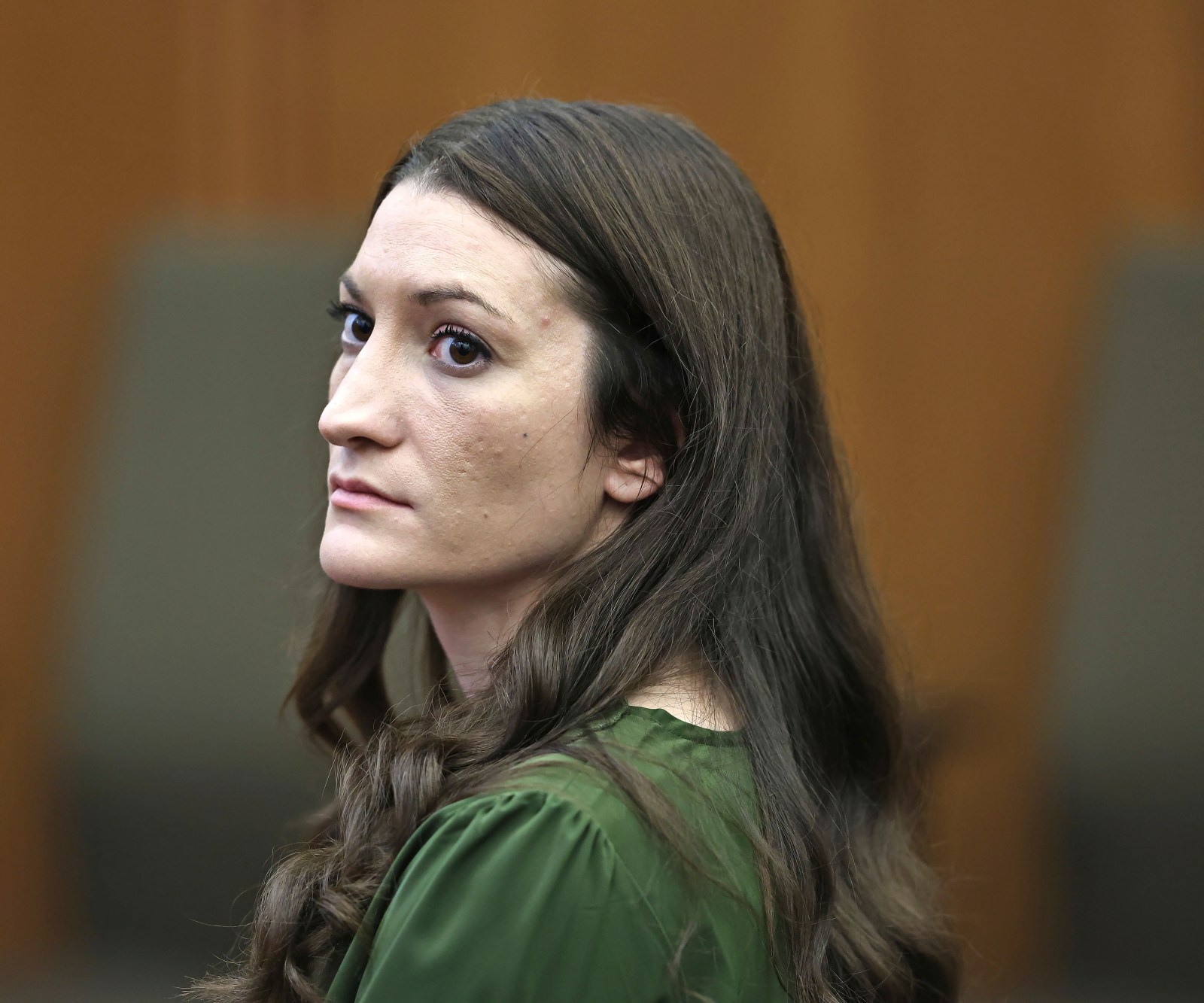
Jurors Break Their Silence
Three jurors from the Lindsay Clancy murder trial have spoken publicly following the case’s conclusion in a mistrial. Their accounts shed light on the deliberations that resulted in a jury deadlock of 11-1. Deliberations lasted over six days before Judge William Sullivan called a mistrial on September 4. Clancy faced charges of murdering her three children in January 2023 and pleaded not guilty by reason of insanity, citing postpartum psychosis.
The Foreperson’s Revelation
One striking revelation came from the foreperson. During an NBC10 Boston interview, it was revealed that the holdout juror admitted to having reasonable doubt about the case. Despite this, the juror refused to vote for a not-guilty-by-reason-of-insanity verdict. This comment highlights why the jury couldn’t reach a verdict. Most jurors were inclined to find Clancy not guilty due to insanity, yet lacked the unanimity needed for a verdict.
The foreperson said, “He admitted he had reasonable doubt, and I started filling out the forms, I was so excited.” However, she recounted that the holdout added, “But I’m still not going to say that she’s not guilty by reason of insanity.”
Intense Deliberations
According to the jurors, their deliberations became intensely heated, with arguments loud enough for alternate jurors to overhear. Despite this conflict, jurors were resolute to reach an agreement. The defense pushed to remove the holdout after the foreperson raised concerns, but Judge Sullivan refused.
Concerns Raised with the Judge
The foreperson expressed worries to the judge during deliberations. A note she wrote became central to the legal argument. Kevin Reddington, Clancy’s defense attorney, suggested the juror was overlooking legal instruction regarding reasonable doubt. Judge Sullivan refrained from siding with any juror, urging them to reconsider without compromising their beliefs.
Disconnect Over Legal Responsibility
Another juror noted that the holdout remained focused on the fact of the children’s murder, despite attempts to steer the discussion towards Clancy’s criminal responsibility. Understanding the legal question was vital in evaluating Clancy’s defense, as she acknowledged the killings, but not the criminal liability due to mental health issues.
Impact of Prosecution’s Narrative
Jurors criticized the prosecution’s harsh portrayal of Clancy. Some felt the absence of character witnesses portraying Clancy negatively demonstrated bias. The foreperson remarked that evidence showed Clancy loved her children, indicating a snap in her mental state.
These insights outline why some jurors resonated with Clancy’s postpartum psychosis defense.
The Path Forward
For the moment, the case remains unresolved. Prosecutors have yet to decide on retrying Clancy, and the holdout juror hasn’t commented on the characterization from fellow jurors. Nevertheless, these revelations offer a detailed account of jury deliberations and the factors leading to the mistrial.