
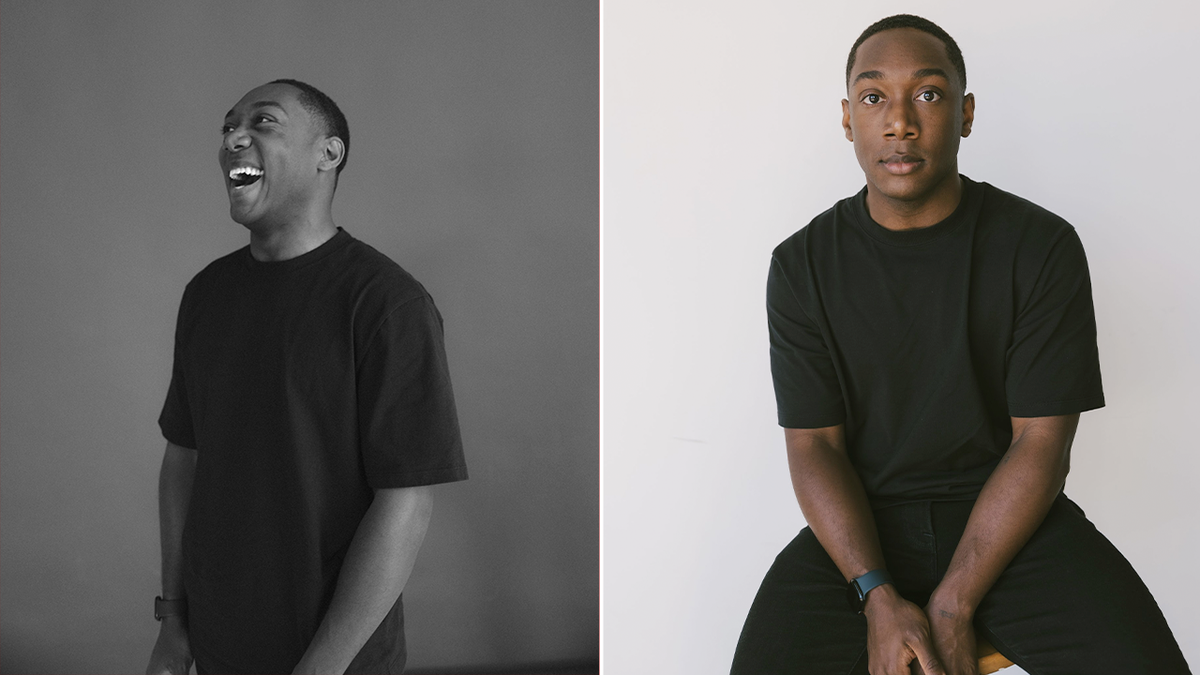
Amir Odom, a popular YouTube content creator, recently shared his views on the challenges facing young Black Americans. Odom believes that the struggles within the community stem from a pervasive culture of victimhood. He argues that progress begins with rejecting this mindset and adopting a determined approach towards personal growth.
In a discussion with Fox News Digital, Odom stated, “There’s a large group of Black people who don’t feel that way because of the mainstream media and the constant victimhood mentality that they’re pressing them on. I want them to have that mindset that I can be anything, but that’s hard with negative influences.” His YouTube channel, @amirxodom, boasts over 800,000 subscribers and covers various cultural issues including race.
Odom challenges behaviors that reflect negatively on his community, calling out public altercations that gain attention online. His videos tackle difficult subjects, such as race relations and LGBTQ issues, from a rational standpoint. He highlights the importance of the two-family parent structure and addresses youth issues in inner-city Black communities.
“You need to teach them, lean in on them, and provide other resources,” Odom said, emphasizing cultural change rather than increased physical resources like books and laptops.
Odom discusses Black community issues in his videos, featuring other creators who share the same concerns. He mentions a “quiet counterculture” among Black Americans that surfaces discussions on significant cultural issues. Odom notes how the fear of political correctness leads to hesitation in expressing genuine concerns and diminishes trust in mainstream media.
Mainstream media faces decline as people seek authenticity and truth, according to Odom. He believes viewers recognize when media fails to address significant issues.
Reflecting on his own experiences, Odom shared how victimhood narratives affected him growing up Black and gay. “I fell into that trap,” he said, adding that these labels impact self-perception and one’s belief in personal capabilities.
Odom asserts that Black Americans today have an “equal playing field” compared to their White counterparts. He contrasts the current state with the inequalities faced in earlier decades, affirming a belief in equal rights.
Despite differing opinions, Odom finds it “unfortunate” that all Black Americans do not share the view of equal opportunities. He understands life’s challenges as universal hurdles and encourages overcoming them.