
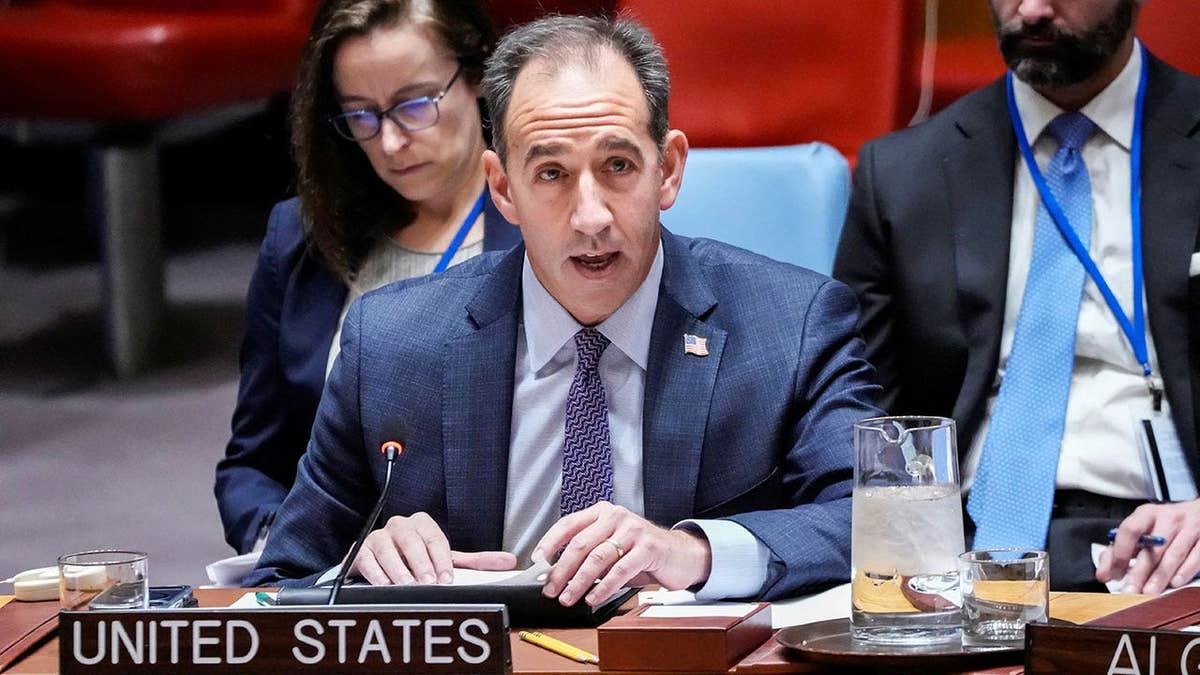
UNITED NATIONS — Jeff Bartos faced skepticism during his 2025 Senate confirmation hearing for the role of U.S. ambassador for United Nations Management and Reform. The task seemed daunting, with lawmakers expressing doubts about the possibility of reform.
The lawmakers shared their reservations, “UN reform? That’s an oxymoron if I’ve ever heard one.”
Despite the challenges, Bartos contends that changes are underway. He points to substantial achievements in reducing waste and inefficiency at the United Nations (UN).
The Reform Initiative
The Trump administration has initiated a campaign to reshape the UN as it grapples with a significant cash crisis and deliberates its next leadership transition. Bartos claims that consistent U.S. pressure has catalyzed action, leading to approximately $570 million in budget cuts and the elimination of 2,900 positions.
Bartos summed up these accomplishments, “Historic achievements in the UN’s 80-year history,” noting the consensus required among 193 member states to enact these changes.
Focus on Efficiency
The administration aims to reform peacekeeping budgetary protocols, revising reimbursement processes for troop-contributing countries. The new practice disengages from simply assessing equipment presence, requiring active equipment use for reimbursement, potentially saving $30 million annually.
Bartos emphasizes a shift towards a culture driven by respect for resources, prioritizing taxpayer accountability and efficient monetary usage.
Diverse Opinions
The UN spokesperson, Stéphane Dujarric, highlights that reform initiatives preceded the current U.S. administration under Secretary-General António Guterres, who has been vocal about the necessity for structural reform.
Dujarric asserted, “Genuine reform requires tough choices.”
Bartos acknowledges these prior efforts but credits intensified U.S. financial scrutiny for accelerating decision-making.
Tackling Financial Strain
The UN’s liquidity issues emanate from delayed member contributions, notably those from the United States. This financial dilemma forces operational challenges, as the institution cannot borrow funds. Guterres encourages timely payment from member states to avoid financial strain.
Bartos hopes upcoming leadership embraces transformative measures to diminish bureaucracy and return the UN to foundational objectives.
Anti-Israel Bias Challenges
Bartos is now tasked with confronting perceived anti-Israel biases within UN agencies. Following controversial reports labeling Israeli security forces negatively, efforts to combat such biases intensify.
Mike Waltz contends, “The UN continues to be weaponized against Israel,” citing historical antisemitism within the organization despite Guterres’ recent Action Plan to Combat Antisemitism.
Dujarric clarifies, “UN bodies, particularly those scrutinized by Israel, are accountable to Member States and not under the direct control of the Secretary-General.”
As discussions on reform progress, Bartos prepares for further challenges amidst skepticism and varied viewpoints. The debate over the UN’s future persists as its largest financial contributor demands substantive change.