
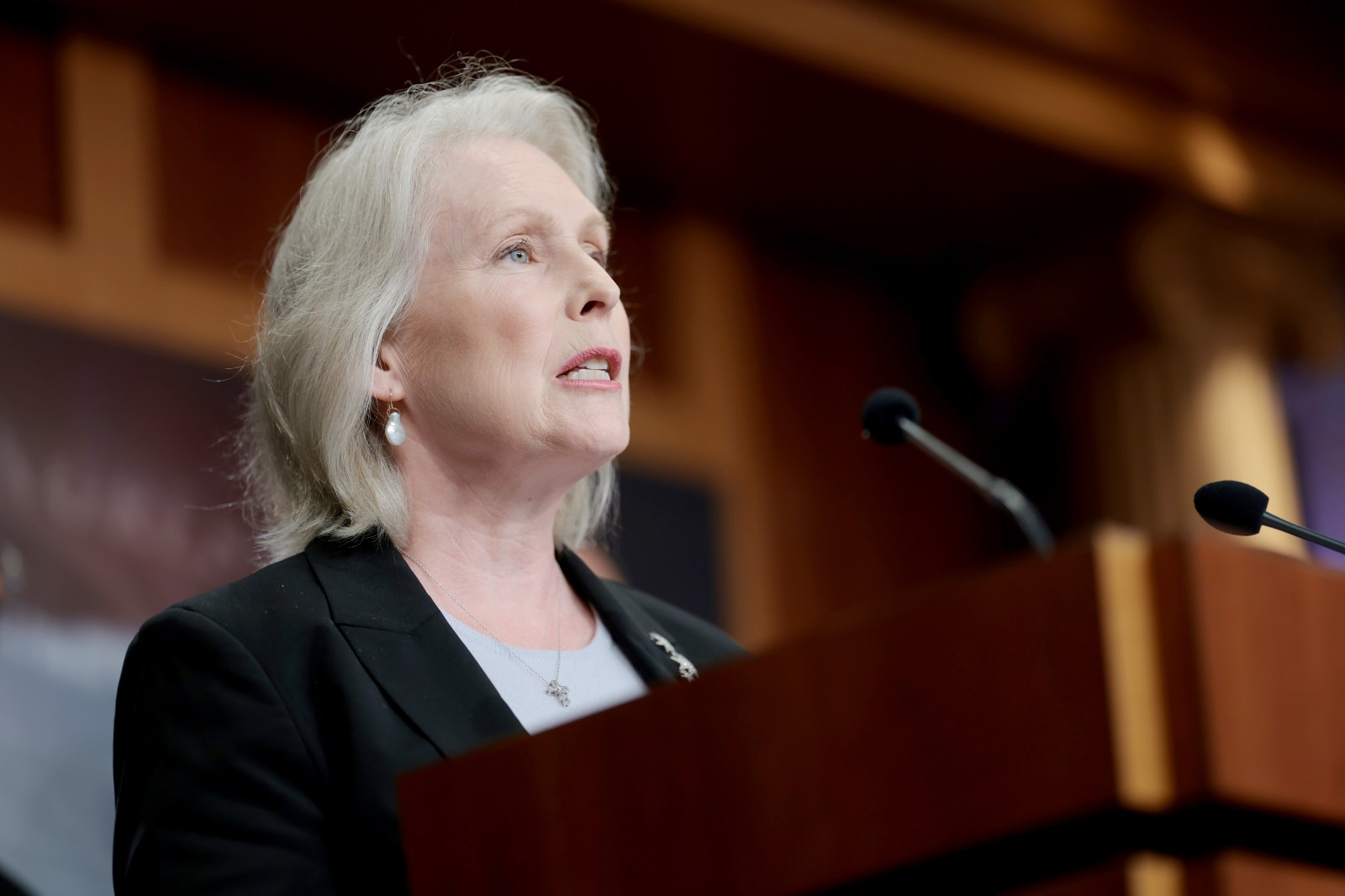
Millions of seniors could face increased prescription drug costs after plans to end a temporary Medicare subsidy program were announced by the Trump administration. The program will conclude one year earlier than previously scheduled, raising concerns among Democratic leaders. New York Governor Kathy Hochul and Senator Kirsten Gillibrand criticized the decision to terminate the Medicare Part D Premium Stabilization Demonstration Program in 2026. Gillibrand warned of potential 40 percent hikes in premiums, while Hochul noted the added financial strain on struggling seniors.
Importance of Medicare Part D
Medicare Part D provides prescription drug coverage for millions, particularly seniors and those with disabilities. The Part D Premium Stabilization Demonstration Program, introduced in 2024, aimed to limit premium increases and mitigate changes from the Inflation Reduction Act. Democrats argue that ending the subsidies will inflate costs for seniors. However, the Centers for Medicare & Medicaid Services (CMS) maintains that the program was always temporary and is no longer necessary as insurers can now accurately price their plans.
Details about the Subsidy Program
The Trump administration announced that the program will end on December 31, 2026. Hochul’s office estimates 1.3 million seniors in New York may be affected. Gillibrand highlighted the program’s success in lowering costs and expressed concern over potential premium increases. She criticized the administration for prioritizing foreign expenditures over the needs of domestic seniors.
There are 25 million Americans enrolled in standalone Medicare Part D plans, but the exact number facing premium increases is uncertain. Kevin Thompson, CEO of 9i Capital Group, noted many seniors have paid less than actual costs due to government subsides.
Trump Administration Defense
The Trump administration defended the move, claiming market stabilization removes the need for subsidies. CMS Administrator Dr. Mehmet Oz stated that premiums will rise by less than $10 for most recipients, with many seeing reductions. A CMS spokesperson claimed that the program was always a temporary measure to address market instability following the Inflation Reduction Act. They asserted that plan bids have stabilized.
Future Implications
The subsidy program is set to expire on December 31, 2026. Unless reversed, beneficiaries will choose 2027 drug plans without federal support, affecting premiums previously reduced since 2024. Alex Beene, a financial literacy instructor, advised beneficiaries to compare plans during Open Enrollment to manage potential cost increases. He highlighted that drug-price negotiations and annual out-of-pocket caps are creating savings, stressing the importance of careful plan selection each year.