
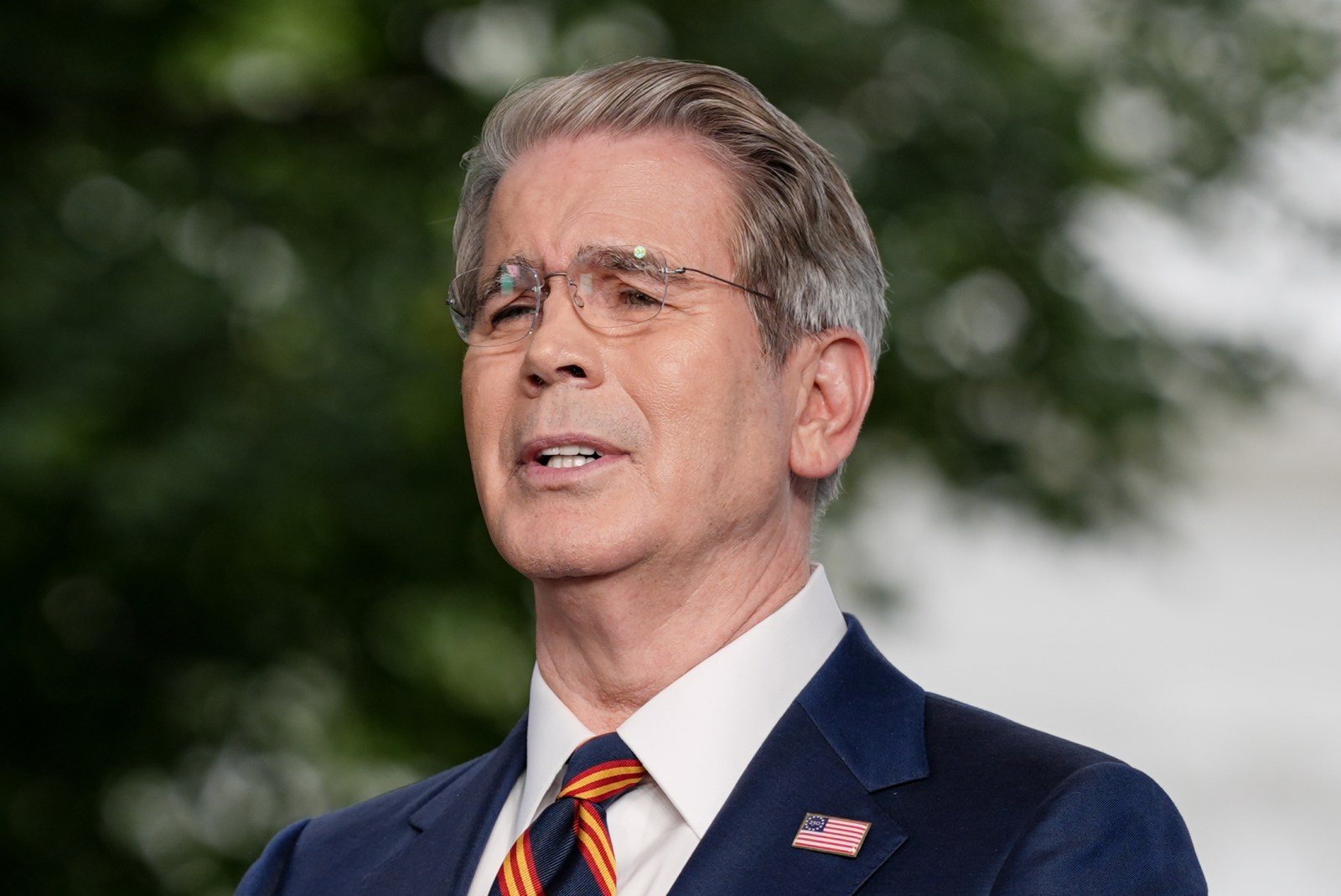
The notion of a ‘K-shaped’ economy, highlighting a divide between affluent and lower-earning Americans, is facing scrutiny from President Donald Trump’s Treasury secretary. Speaking to CNBC, Scott Bessent expressed his opinion, stating, ‘I am tired of hearing about this K-shaped economy.’
Bessent confidently stated, ‘The K-shaped economy is over,’ and pointed to wage gains among lower-income workers. He praised Trump’s tax bill, suggesting its benefits would unfold over time. Bessent believes the economy now resembles a ‘C’ shape, where lower-income groups are experiencing recovery, similar to conditions in Trump’s first term.
Understanding the K-Shaped Economy
Since the previous year, numerous economists have observed an increasing divide in the U.S. economy. The ‘K’ signifies the split between high-income households enjoying growing wealth and lower-income households facing stagnant income growth and inflationary pressures. Wage and wealth trends, alongside consumer spending data, underpin this observation.
The New York Fed’s report from May indicated that spending growth primarily stemmed from households earning over $125,000 annually. In contrast, lower-income households experienced spending declines over the same period. Nevertheless, the Fed recognized mixed wage growth across different income brackets.
‘The lowest wage quartile has seen the lowest wage growth recently, but this pattern is not consistent,’ the report stated. Some periods in 2023 and 2024 even saw this group achieve the highest growth among all quartiles.
Bessent argues for an economy resembling a ‘C’ shape. He shares this view with some business leaders, such as Hilton CEO Christopher Nassetta. Nassetta observed occupancy trends and forecasted better performance in lower and mid-scale hotels. These trends suggest a ‘C-shaped economy,’ according to Nassetta.
Continuing Belief in the K-Shaped Divide
Despite these views, many still advocate the existence of a K-shaped economy in the U.S. Former Federal Reserve Chair Jerome Powell acknowledged observing this economic divide through various data points.
If you hear the earnings reports from companies catering to low- and moderate-income individuals, you’ll notice they describe consumers tightening their spending, changing purchasing habits, and buying less,
Powell noted.
Conversely, Peter Orszag, CEO of Lazard, addressed Bessent’s claims on CNBC, suggesting that proclaiming the end of a K-shaped economy is ‘premature.’ While there are positive indicators of economic change, weak consumer confidence casts doubt, according to Orszag.
Moody’s Analytics’ chief economist Mark Zandi reiterated the K-shaped economy narrative. In June, he highlighted the spending gap between the top 20 percent of earners and the bottom 80 percent, confirmed by Federal Reserve data, which indicated an evident K-shaped economy that is intensifying.
For further insights, contact Newsweek editors Ben Kelly and Gray R. Thomas.