
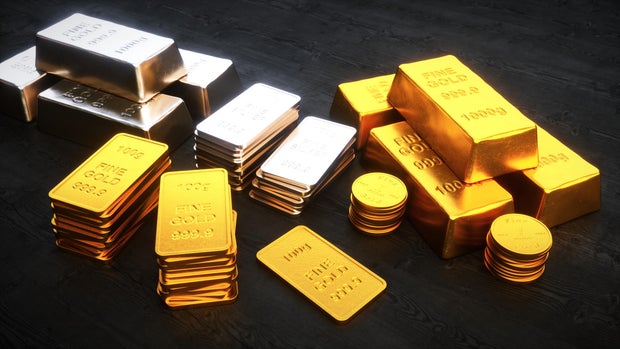
Gold and silver prices in 2026 have been subject to sharp fluctuations influenced by various factors. Gold reached a high of over $5,500 per ounce early this year, but has since declined, stabilizing around $4,275 per ounce by mid-September. Silver has also experienced volatility due to shifting expectations regarding inflation, interest rates, and economic conditions.
The Federal Reserve’s meeting on September 15 and 16 could further influence the market. Persistent inflation raises the possibility of a rate hike, which could impact where investors allocate funds. Interest rates can affect how much investors are willing to pay for assets like gold and silver.
A hike in interest rates could make bonds and savings products more attractive, as they offer returns contrary to precious metals, which don’t. This shift might reduce interest in holding gold and silver. Additionally, a stronger U.S. dollar following a rate hike can make these metals more expensive for international buyers, further affecting demand.
However, a rate hike might not lead to a straightforward decline in prices. Investors often adjust portfolios ahead of such decisions, potentially factoring in the anticipated rate hike already. The reaction might largely depend on the Fed’s statements regarding future rate hikes.
Inflation, economic concerns, and geopolitical uncertainties can maintain gold’s attractiveness as a portfolio diversifier. Strong demand from central banks could support prices. Silver, unlike gold, is heavily utilized in manufacturing and technology sectors, thus its price is also tied to industrial demand. Higher rates may slow economic activity, impacting silver more than gold.
Investors should not solely focus on the rate hike but also on the Fed’s outlook for future actions. A potential increase in rates beyond September could maintain elevated Treasury yields and strengthen the dollar, posing challenges for precious metals.
Factors such as inflation, the Fed’s future decisions, economic conditions, and demand for precious metals will have significant implications. Investors should consider their broader portfolio strategy and long-term objectives when evaluating precious metal investments.
While a rate hike could create short-term pressures, it might not set a long-term price trajectory. Persistent inflation, geopolitical tensions, and other factors may sustain investor demand. Understanding how these metals fit into your portfolio relative to the broader economic landscape could offer more valuable insights than focusing solely on one Fed decision.