
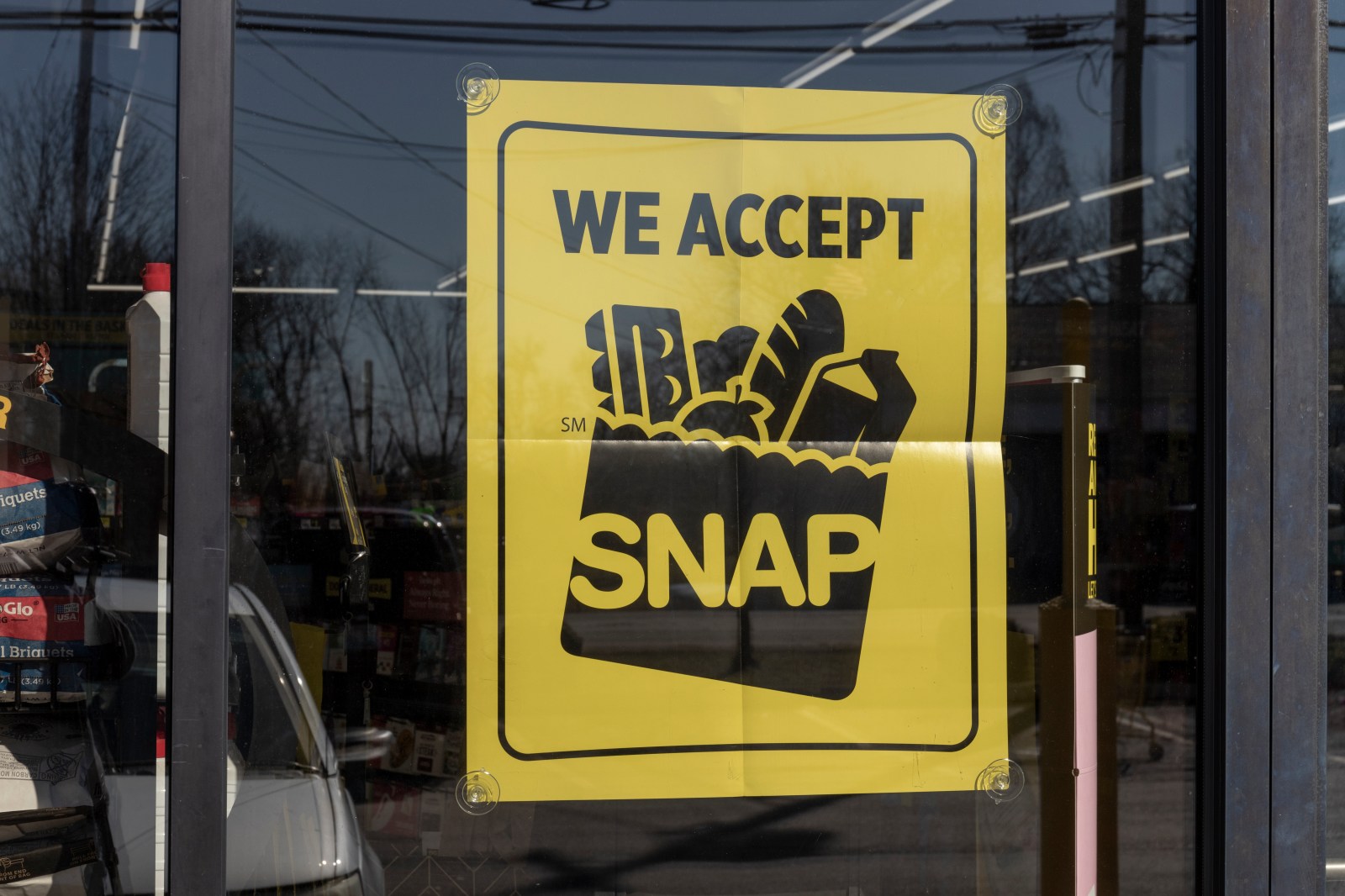
Illinois residents who lost federal food assistance due to expanded work requirements under recent Supplemental Nutrition Assistance Program (SNAP) changes will start receiving one-time state-funded payments of $400 from August 1. This effort aims to alleviate the effects of these changes. The Families Receiving Emergency Support for Hunger (FRESH) program will allocate up to $70 million to eligible residents without requiring applications. While other states have augmented outreach and support, Illinois stands out by providing direct financial assistance to those who have already been impacted by SNAP removal.
Democratic Governor JB Pritzker emphasized the importance of this temporary measure, given the federal changes that led to thousands in Illinois losing their grocery assistance. Since the One Big Beautiful Bill Act was signed in July 2025, millions nationwide have been affected by altered requirements for federal benefits. Pritzker commented on rising costs: “At a time when the cost of groceries, gas, and utilities are all rising, Donald Trump and Republicans decided to strip food assistance from nearly 100,000 people.”
How the Illinois Payments Will Work
SNAP, commonly referred to as food stamps, is the nation’s largest food assistance program, offering monthly help to low- and no-income households. Under the FRESH initiative, the Illinois Department of Human Services will automatically identify qualifying residents. Eligible households will receive a notice before $400 for each qualified household member is deposited onto their Illinois Link card. Those lacking a Link card can request a replacement before payment issuance.
The first group of payments will target households losing SNAP between May 1 and August 1, beginning August 1. Individuals losing benefits after this period will receive their payments after the 16th day of the month in which their SNAP benefits cease. The program will continue until the $70 million allocation is depleted.
Lieutenant Governor Juliana Stratton stated, “Trump’s SNAP cuts are having real, dire consequences for families across Illinois. The FRESH program is another way Illinois is stepping up to help families manage rising costs while supporting a food system that serves us all.” Receiving a FRESH payment will not impact a household’s eligibility for Medicaid, Temporary Assistance for Needy Families, AABD Cash, or similar programs.
Nationwide Drop in SNAP Participation
The Illinois initiative coincides with a nationwide drop in SNAP participation. U.S. Department of Agriculture data reveals enrollment fell from about 42 million in early 2025 to slightly more than 37 million by April 2026, marking a reduction of approximately 5 million recipients. This decline resulted from substantial program revisions under the One Big Beautiful Bill Act, or H.R. 1, signed by President Donald Trump on July 4, 2025.
One significant change was extending work requirements to adults up to age 64. Adults identified as Able-Bodied Adults Without Dependents must engage in qualifying work or training activities to remain eligible. The law also withdrew exemptions for certain veterans, individuals experiencing homelessness, and former foster youth. It further reduced caregiver protections, requiring some parents of children aged 14 and older to follow work and training provisions.
A USDA spokesperson mentioned that enrollment numbers fluctuate for various reasons and are not solely attributable to the new law. They highlighted SNAP as a means-tested entitlement… “If a household is eligible, they receive the benefit.” However, these households undergo regular recertification. Changes in employment, interest, or household circumstances can affect participation. Therefore, benefit recipients’ numbers are constantly changing and do not reflect any singular policy.
State Responses Across the Country
Illinois distinguishes itself by using state funds to assist residents already affected by the federal work rules. Other states focus primarily on understanding requirements, documenting exemptions, or finding qualifying work and training options.
- California: Allocated $39.9 million for technology changes and outreach related to new SNAP rules, including tools to determine if recipients must meet work requirements or qualify for exemptions. Additional funding would support county staff and case reviews.
- Maryland: Developed an information hub and expanded the SNAP Employment and Training network from 30 to 48 organizations. Recipients receive job training, employment assistance, and additional support aimed at maintaining or regaining eligibility.
- New York: Issued guidance to help beneficiaries retain benefits after expanded rules were implemented in March 2026. Supported partnerships providing services such as transportation, child care, and career coaching.
- Washington: Workforce officials suggested a “No Wrong Door” system to connect people with SNAP and Medicaid work requirements with employment and benefit services. The full initiative was not funded during the 2026 legislative session.
- Arizona: Faced with significant enrollment losses and issues with wait times and documentation, the state is hiring more eligibility workers and using an external call center to improve response times. These efforts aim to help residents restore or retain benefits, though they do not offer replacement payments.
Though these measures might reduce administrative errors or assist in complying with the rules, none offer the same automatic payment provision as Illinois.