
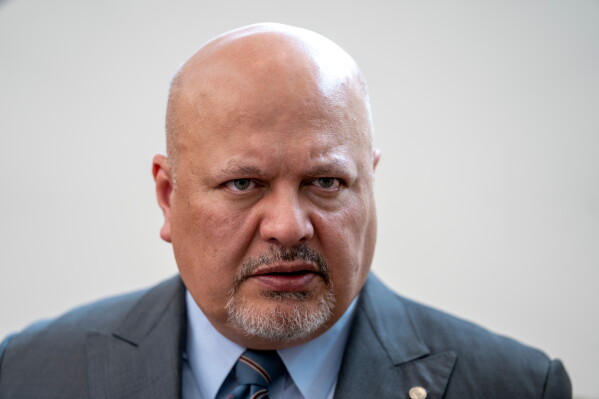
The International Criminal Court (ICC) has removed its chief prosecutor, Karim Khan, following nearly two years of sexual misconduct allegations. This decision was made by the court’s oversight body, the Assembly of States Parties, in response to “serious misconduct and serious breach of duty.” Khan, a British barrister, faced accusations of sexual misconduct with a female aide, claims he has continually denied.
The Assembly of States Parties, comprising 125 member states, voted by a large majority for Khan’s removal. The ICC is now tasked with electing a new prosecutor, expected to encounter sanctions from the Trump administration, which imposed financial penalties and travel bans on 13 ICC staff members, including Khan.
Khan’s lawyers criticized the removal process, stating it was unfair as he was denied an opportunity to address the session. Khan’s legal team plans to challenge the decision using all available legal avenues, arguing that independent judges previously reviewed the evidential record and reached different conclusions.
The ICC faces additional challenges from global leaders. U.S. Secretary of State Marco Rubio announced a campaign to diminish the court’s influence over U.S. sovereignty. Rubio intends to urge member states to reject the ICC’s jurisdiction over U.S. citizens while imposing sanctions and travel restrictions on associated organizations and staff.
Following the removal vote, Venezuela announced its withdrawal from the ICC. The country’s foreign affairs minister, Félix Plasencia, claimed the court exhibits geographical bias against African and Latin American nations, neglecting the Global South. Earlier, the ICC dropped an investigation into U.S. sanctions on Venezuela due to insufficient evidence, though another probe into crimes under former Venezuelan President Nicolás Maduro will proceed.
The Trump administration had previously sanctioned Khan and other ICC staff over cases involving top Israeli officials and investigations in Afghanistan. These intersecting political dynamics highlight the court’s controversial role in international justice. The recent removal is not expected to affect the ICC’s arrest warrants against Israeli officials, such as Prime Minister Benjamin Netanyahu and former Defense Minister Yoav Gallant, slated for 2024.
In an appeal for decorum, Kaukoranta, involved in closing the session, called for respecting the dignity and privacy of those affected by Khan’s case. The international community is urged to uphold the ICC’s integrity.
Reporter Quell provided coverage from The Hague, Netherlands, while Amiri contributed from New York.