
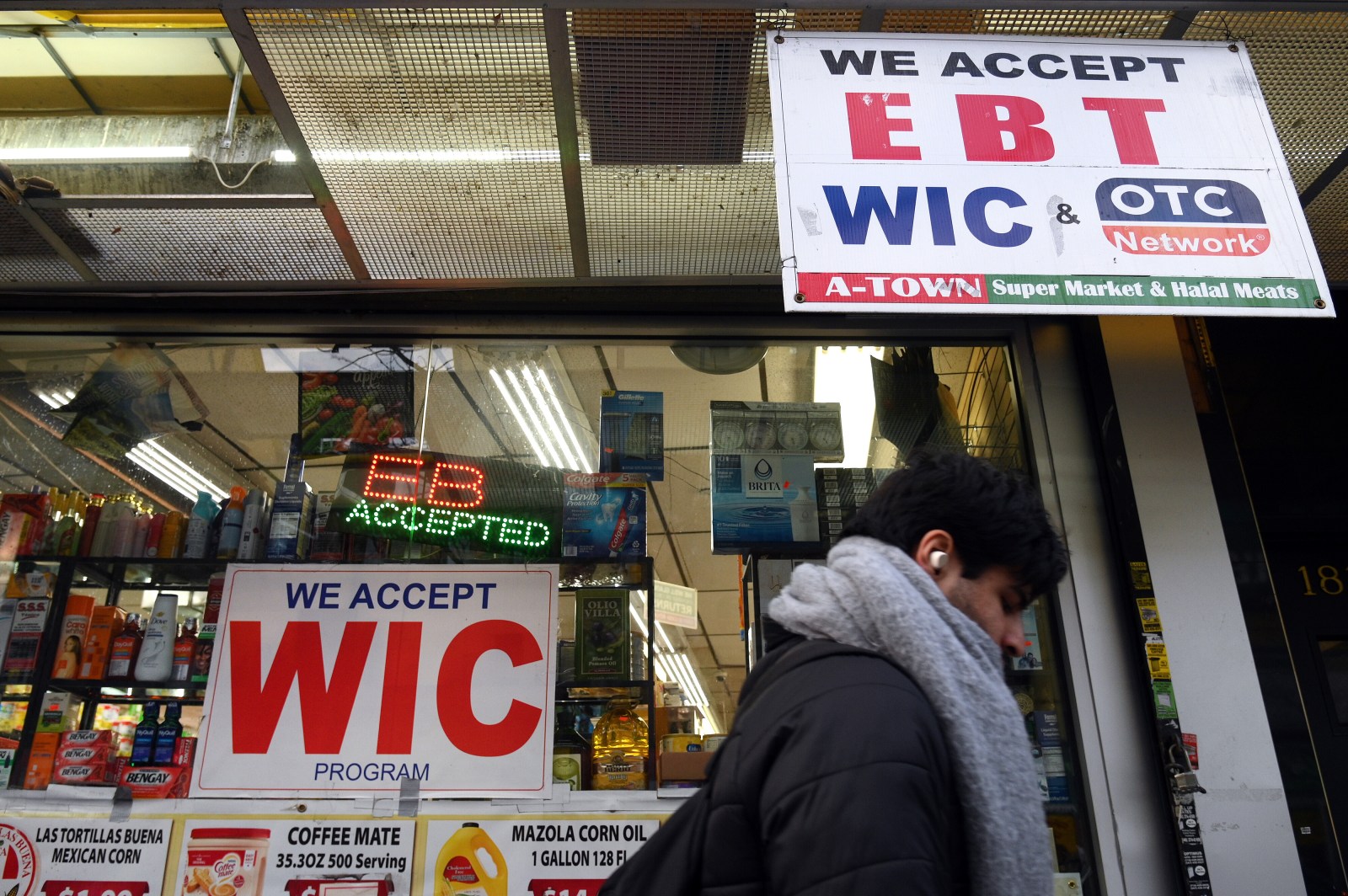
A new House bill aims to enhance access to fresh produce for low-income families through an additional monthly payment. Introduced by Democratic Representative Pramila Jayapal on July 2, the Fresh Bucks for Fresh Produce Act seeks to create a U.S. Department of Agriculture (USDA) pilot program. The program would provide $60 monthly payments to eligible households for purchasing fruits and vegetables.
Implications for Food Assistance Programs
The bill emerges amidst ongoing debates over the Supplemental Nutrition Assistance Program (SNAP) in Congress. Lawmakers supporting the initiative highlight the challenge many families face in accessing healthy food due to high prices and limited availability in food-insecure areas. The proposed program aims to address these issues by providing extra financial support.
Details of the Proposed Program
The Fresh Bucks for Fresh Produce Act describes a federal pilot program administered by the USDA. Eligible households would receive an extra $60 per month, with the funds designated specifically for qualifying fruits and vegetables. Although SNAP recipients would benefit, the program is not restricted to them. Households earning 80 percent or less of their area’s median income could apply for the benefit. SNAP participants automatically meet the income requirements.
The bill advises states to establish opt-in or auto-enrollment systems for SNAP households to reduce paperwork. Michael Ryan, founder of MichaelRyanMoney.com, noted that the initiative doesn’t modify SNAP but complements it by offering a produce-specific benefit to test the impact of targeted nutrition support.
Payments would be recurring and accessible through the government’s Electronic Benefits Transfer (EBT) system. Eligible foods include fresh, frozen, or dried fruits and vegetables without added ingredients, along with herbs and certain edible plant starts.
Implementation and Assessment
Instead of launching nationwide immediately, the legislation proposes a pilot program with grants allocated to states. The USDA would select diverse geographic locations, choosing at least one state from each major U.S. region. States should focus on food-insecure communities.
Data collection on food security and produce consumption would be integral to evaluating the program’s effectiveness in improving access to nutritious foods. Drew Powers from Powers Financial Group emphasized the potential societal benefits but noted financial considerations for funding the initiative.
Bill Provisions and Next Steps
The legislation outlines that SNAP participants meet the income criteria and states should minimize paperwork. Monthly payments are set at $60 for eligible households.
Kevin Thompson, CEO of 9i Capital Group, commented that the benefit is geared towards low-income communities and represents a restoration of access rather than expansion. Looking ahead, the bill is under review by the House Agriculture Committee. If passed, it establishes a five-year pilot program, requiring the USDA to report initial findings within a year and a final report after five years.
While pilot programs may face fewer obstacles than permanent entitlements, Michael Ryan identified potential challenges in increasing federal nutrition spending.