
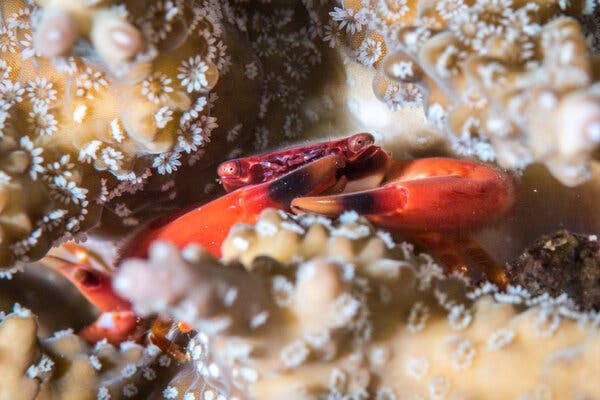
As rising ocean temperatures impact coral reefs globally, a group of scientists offer a glimmer of hope. Using artificial intelligence, they have pinpointed areas with cooler currents and reduced sunlight exposure outside cyclone paths that protect corals from harsh climate effects.
This study, showcased at the Our Ocean Conference in Mombasa, Kenya, is pending peer review for publication in Environmental Research Letters.
Five scientists assessed 42 factors that influence these refuges and processed these through a system with nearly 38,000 human observations of coral structure collected over 65 years. The analysis highlighted over 5,800 square miles of climate-resilient ocean across 72 countries.
The research identified three times more refuges than a key 2018 study, the 50 Reefs Study, which initially mapped zones potentially capable of sustaining coral life. Observers noted it provides a detailed overview beneficial for adjusting conservation strategies.
“This study sharpens decades of work on reef resilience to climate change,” stated David Obura, a former IPBES chairman not involved in the research. “It focuses attention on the critical question: Will climate refuges comprise 10 percent, 1 percent, or even less of the former extent of coral reefs?”
Coral reefs are vital ecosystems. They support an estimated quarter of ocean species and provide significant resources and protections, like marine food supply and coastal defense against storms.