
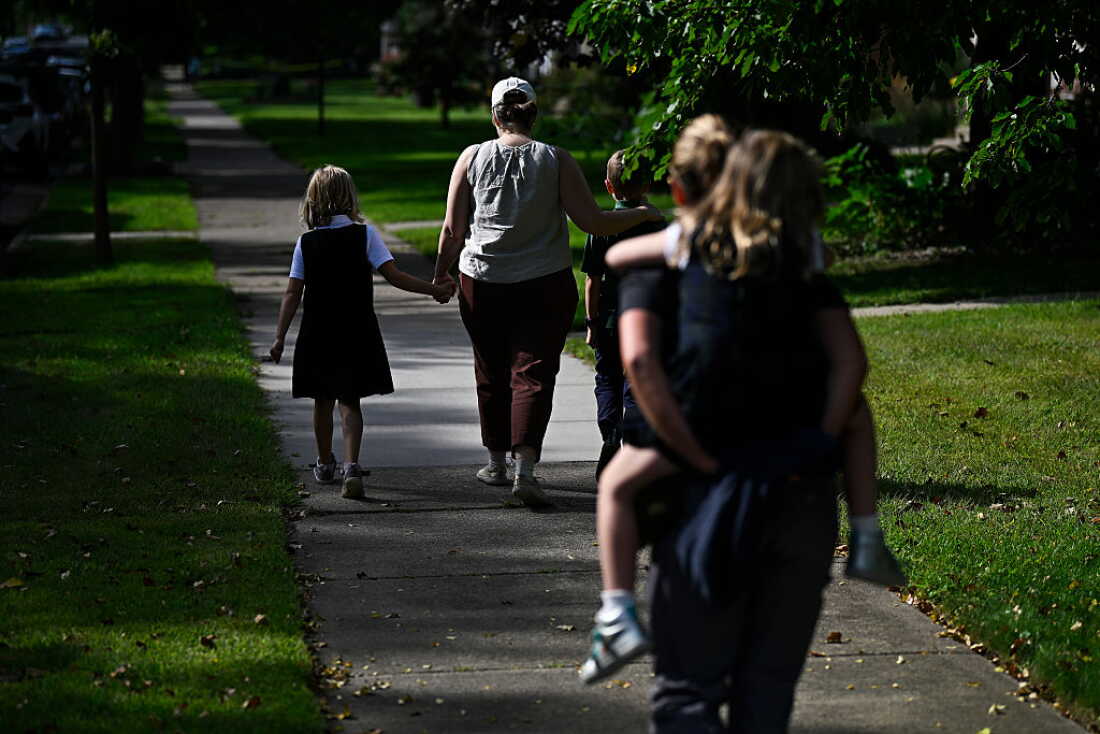
After a tragic shooting at Annunciation Catholic School in Minneapolis, families are grappling with the aftermath. School shootings have become more frequent in the U.S., with the American Academy of Pediatrics noting a sharp increase. CNN reports 44 incidents this year, while The Washington Post has data on over 400 cases since the 1999 Columbine incident.
Addressing Children’s Concerns
When discussing such events with children, it’s crucial to start by understanding what they already know. David Schonfeld, a pediatrician leading the National Center for School Crisis and Bereavement, stresses listening to children’s concerns. He emphasizes the need to identify their questions, which may differ significantly from adults’. Trust is established with truthful responses, even if they highlight risks present in schools.
Tailoring the Conversation
The amount of information shared should consider a child’s age and emotional state. A child who has faced prior trauma or personally knows the victims may react more strongly. Regardless, patience is vital. Repeated discussions are sometimes necessary to aid young children in processing their feelings, advises Melissa Brymer from UCLA-Duke University.
Resources and Routines
According to the American School Counselor Association, maintaining regular routines can help provide children with a sense of security. Limiting media consumption is also advised to prevent overwhelming and repetitive exposure.
Coping Strategies
Parents should guide children in managing anxiety and fear. Books like “Once I Was Very Very Scared” by Chandra Ghosh Ippen can aid young readers. For older children, turning emotions into actionable initiatives against gun violence can be empowering. Schonfeld notes that constructive actions, like those by students from Marjory Stoneman Douglas High School, can redirect anger positively.
Continuing Conversations
Ultimately, maintaining ongoing dialogues about challenging topics is beneficial. Schonfeld suggests that open communication fosters a supportive environment, encouraging children to express future concerns.