
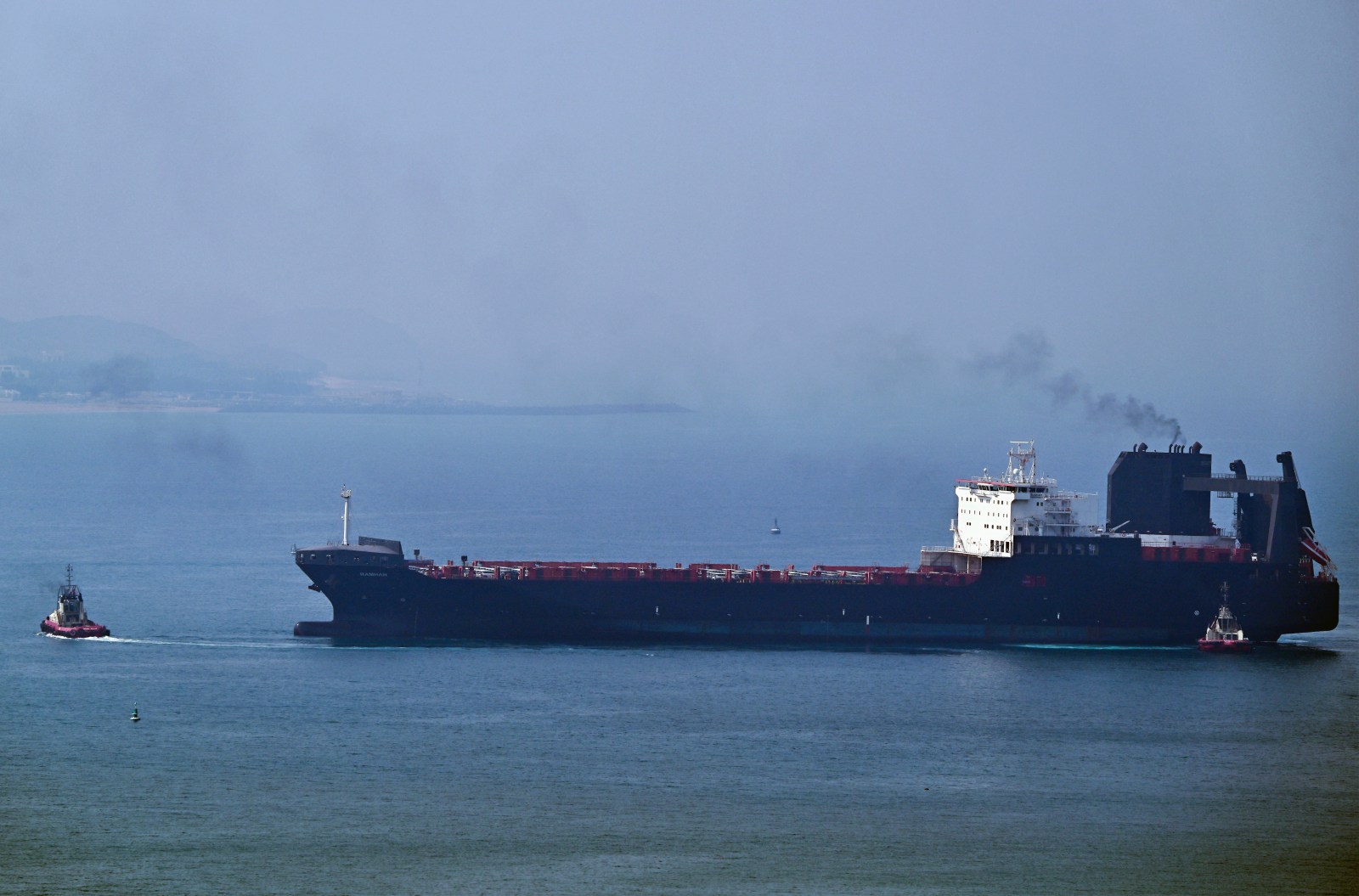
Strait of Hormuz: A Strategic Waterway Under Threat
The U.S. military announced new strikes Wednesday aimed at diminishing the capacity of Iranian forces to disrupt commercial shipping in the Strait of Hormuz. Historically, this critical waterway has facilitated the transit of significant global oil supplies. Currently, with hostilities rekindling, Gulf oil producers seek alternative routes for transporting their commodities.
Exploring New Transportation Routes
Tamsin Hunt, senior analyst at S-RM, indicated that major shipping operators are establishing overland routes to alleviate congestion around the strait. Gulf states are investing in long-term strategies like developing new pipelines and port projects.
The International Maritime Organization (IMO) deemed the Strait of Hormuz hazardous for commercial vessels. An evacuation initiative is underway to rescue seafarers trapped in the Persian Gulf.
United Arab Emirates: Bypassing the Strait
The United Arab Emirates (UAE) is actively planning infrastructure to avoid reliance on the Strait of Hormuz. According to CNBC, the UAE aims to construct a new port and container terminal on the east coast. Fujairah is the focus, where Dubai-based DP World plans to develop facilities as both a temporary and permanent solution.
Andy Lipow from Lipow Oil Associates explained that the UAE uses tankers to move crude from inside Hormuz to external waters, transferring to larger ships for delivery to Asia.
Saudi Arabia’s Diversification
Saudi Arabia already adjusts its networks, redirecting about four million barrels a day from its east-west pipeline to Yanbu on the Red Sea. However, transit through Bab el-Mandeb Strait faces threats from Iranian-backed Houthis.
Hapag-Lloyd’s spokesperson Leon Schulz noted no impact from recent hostilities, as adjusted operations bypass the strait. Alternative routes include ports like Salalah, Jeddah, Khorfakkan, and Sharjah, though these create complexity and extended transit times.
These solutions demand significant planning and adaptation.
Long-Term Solutions and Challenges
Building alternatives to lessen reliance on the Strait of Hormuz may require extensive time. Iraq’s Oil Minister Bassem Mohammed Khudair announced a strategy backed by the U.S. to diversify export routes, partnering with TI Capital, Qatar’s UCC, and Chevron for key routes.
Yörük Işık, from Bosphorus Observer, predicts Saudi investment in Red Sea ports and enhanced rail and highway networks. Meanwhile, the UAE will invest heavily in transforming Fujairah into a top-tier port linked by road and rail. Işık suggests shifting entry to UAE from the Persian Gulf to the Sea of Oman, noting potential investment opportunities in Fujairah over Dubai.