
In Nepal, Gen Z is leading efforts in rescue, relief, and reconstruction after the devastating floods and landslides on August 26. Thousands are dead or missing. A ten-person team initially focused on distributing relief materials, but shifted to on-the-ground rescues due to the significant destruction.
Sunil Singh, a Gen Zer from Nepal, told Ratopati, a Nepali news outlet, the generation is “ready to be mobilized at the forefront.” Prakash Bam, secretary of the National Gen Z Citizen Campaign, emphasized the ongoing struggle with rescue coordination. “Citizens are still waiting for life and death,” he stated. “The government should immediately intensify the rescue work, even if it means taking international help.”
Young adults in Nepal and the U.S. share frustration over government disaster response. In Altadena, California, A Resilient Tomorrow (ART) emerged following the Eaton Fire. Savannah Bradley, a 26-year-old co-director, explained, “We recognized how much government disaster response and disaster aid falls short. We saw a gap in those services.” Their initiative includes distribution drives, advocacy, survivor protection, and monthly donation efforts.
GoFundMe data from June revealed that 57% of Gen Zers plan for charitable donations annually, and 40% cut personal spending to do so. Causes they support include social justice and politics (29%), conservative political causes (17%), and children’s charities (12%). A Harvard study stated 79% of adults aged 18-29 seek jobs focused on helping others, according to Richard Weissbourd, director at Making Caring Common.
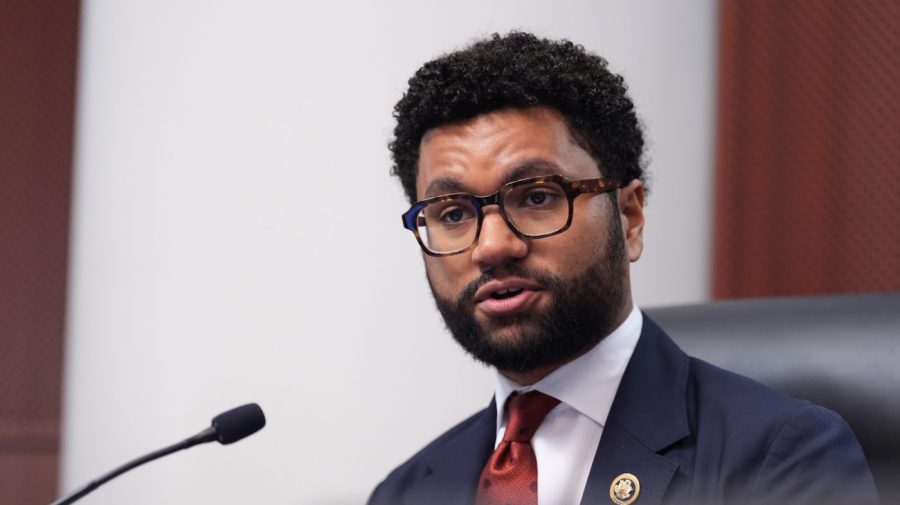
Rep. Maxwell Frost (D-Fla.), the first Gen Z member of Congress, engaged with baby boomers about various political issues. He advocated for striking student loan debt and emphasized Gen Z’s political involvement. Despite generational disagreement, Frost maintained his stance and gained respect from his adversaries post-discussion.
Michigan Democratic Senate candidate Abdul El-Sayed leveraged Gen Z-driven campaign tactics by launching “Senate Island,” inspired by “Love Island: USA.” His approach aimed to resonate with younger voters through creative campaign strategies that reject corporate PAC money and advocate for Medicare for All.
El-Sayed’s campaign focuses on innovative methods, including street interviews and social media engagement to connect with Gen Z. His competitor, Mike Rogers, emphasized affordable housing to engage young, disengaged voters.
Efforts like these underscore Gen Z’s commitment to societal improvement, whether through disaster response or political action.