
Decreased Mobility and Population Declines
Americans have become less mobile than in the past, contrasting with the pandemic era when remote work prompted significant relocations. Despite reduced overall movement, some cities continue to face declining populations. A recent study by the Bank of America Institute revealed notable population drops across various cities.
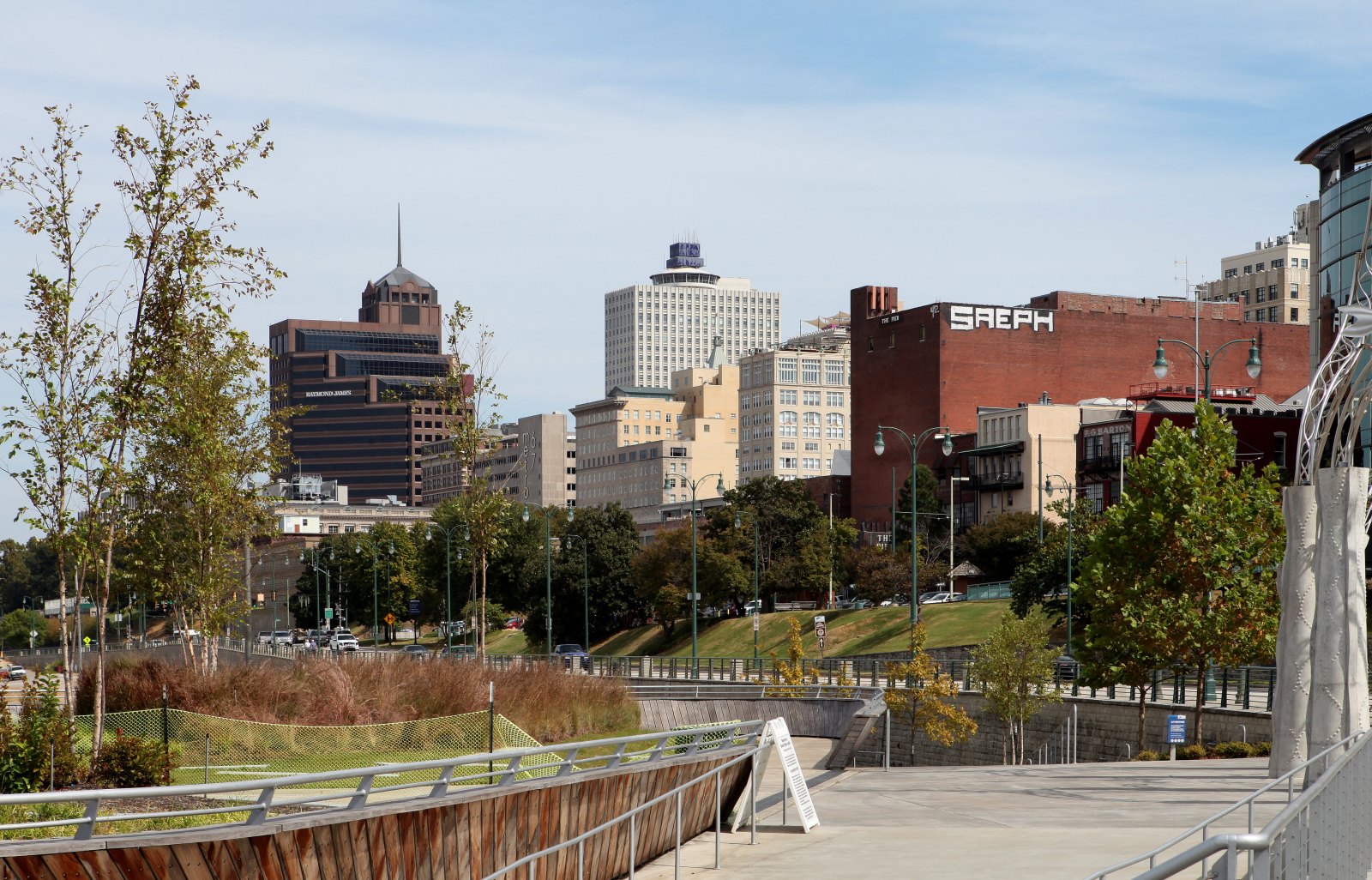
Memphis, Tennessee, witnessed the highest population decrease among U.S. metropolitan areas in the second quarter of 2026, with a nearly 1% decline compared to the previous year. Washington, D.C., Los Angeles, Boston, Miami, Baltimore, Orlando, New York, San Jose, and St. Louis also saw notable declines.
Focus on Affordability
Affordability plays a significant role in moving decisions. The Bank of America Institute’s report indicates slower movement across all income groups, but particularly among lower-income households and millennials. These groups face affordability challenges that impact their relocation decisions.
The Midwest, known for being more affordable, led U.S. population growth in the second quarter of 2026. Cities like Indianapolis, Columbus, Louisville, Cincinnati, Milwaukee, Minneapolis, Grand Rapids, and Cleveland saw growth. Indianapolis, for instance, offers a reasonably priced housing market and a vibrant job market, with a median home price of $258,859 and a median household income of $66,219.
Surge in Salt Lake City and Other Growing Areas
Salt Lake City, Utah, achieved the largest population growth, increasing by 1.88% over the past year. Attractions include a robust job market, low employment rates, and outdoor opportunities. Despite a median home price of $642,678, the cost remains competitive for the region.
Raleigh, North Carolina, another fast-growing area, boasts a robust job market and high-quality life amenities, with a median household income of $86,309. The city’s home prices, averaging $424,769, are quite competitive.
Challenges in Cities with Population Declines
Contrasting the growth in some regions, Memphis faces ongoing population loss due to limited job opportunities and high crime, despite lower living costs. Monthly expenses in Memphis are 23.7% cheaper than in Los Angeles, yet the city lost substantial population in recent years. Lack of growth in employment and safety concerns have driven residents away.
Other cities like Washington, D.C., Los Angeles, Boston, and Miami face affordability issues. High living costs, particularly housing, contribute to resident departures. In Washington, D.C., the median home price stands at $699,619, while in Los Angeles, it reaches $1.1 million. Boston’s median home price is $859,532, and Miami’s is $649,646. These high costs fuel the search for more affordable living options.