
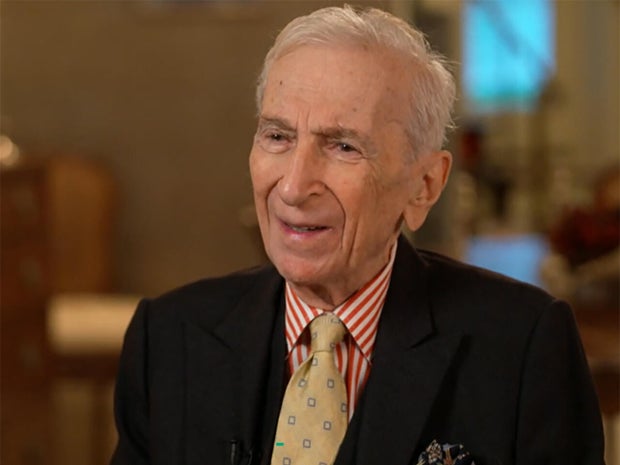
Gay Talese’s 1969 book, The Kingdom and the Power, captures the dynamics within The New York Times, detailing power struggles and family conflicts as Talese transitioned from copyboy to reporter. This non-fiction piece, resembling a novel, brought Talese his first bestseller, a result of six years of careful writing. “I’ve always been a slow writer,” he admitted.
Talese describes most journalists as curious observers drawn to the world’s imperfections and chaotic events rather than the ordinary. His intent was to paint vivid pictures for readers, as evident in his famous works. The New York Public Library recently acquired his personal and professional archive, marking Talese’s enduring influence.
Talese’s first article for The New York Times focused on the iconic sign displaying headlines in Times Square. James J. Torpey, an electrician, gained recognition for maintaining it, but Talese was anonymous. Despite this, he pursued a career dedicated to illuminating lesser-known individuals, hoping to give them visibility. “I wanted to be the lamplighter,” Talese explained, aiming to highlight people deserving of written tributes.
Robert Boynton from New York University regards Talese as exceedingly curious, recalling how Talese once paused to interview a construction worker during his travels. In 1965, magazines flourished with advertisements and notable storytellers, including Talese, who thrived at Esquire under Harold Hayes. A remarkable opportunity allowed him to craft three pieces revolving around Frank Sinatra, leading to the celebrated 1966 article, “Frank Sinatra Has a Cold.”
The article narrates Sinatra’s influence and vulnerability without direct interviews, showcasing Talese’s skill in investigating surrounding narratives. His extensive interviews and unique storytelling style shaped New Journalism, resonating with audiences and influencing future writers. Boynton praised Talese’s innovative, cinematic approach, distinct from prevailing corporate journalism. Although not initially impactful to him, Talese’s work gained recognition for its immersive quality and narrative depth.
Talesian storytelling emphasizes thorough research and creativity, as Boynton advises his students, encouraging them to follow Talese’s example of meticulous reporting. Talese’s dedication to maintaining a professional image, even when researching construction workers or nudists, reflects his commitment to understanding diverse environments firsthand.
For decades, Talese explored varied themes, from nudist lifestyles to Mafia connections. He integrated into these worlds, shedding press formalities to gather insights. His wife, Nan Talese, an eminent editor, stood by him, enduring challenges as Talese pursued stories. Despite any discomfort caused, Talese remained committed to capturing nuances. Their enduring marriage inspired his ongoing project, A Non-Fiction Marriage, emphasizing their shared journey.
Talese, now 94, battles Parkinson’s disease but continues to reflect on his writing career. He maintains hope for future achievements, aiming for excellence in upcoming work. His basement office serves as a creative sanctuary, devoid of distractions, preserving countless notes and photographs. Talese strives for perfection, ensuring his work withstands scrutiny even after his passing. “I want everything I wrote not to embarrass me,” he expressed, confident in his lifelong efforts.
For further reading: Visit Gay Talese’s official site or explore A Town Without Time: Gay Talese’s New York – The Master Journalist’s Greatest Reporting on the City’s Eccentric Characters from the 1950s to Today, available through major retailers.
The story was produced by Mary Raffalli and edited by Mike Levine and Lauren Barnello.
Related Articles:
- From 2006: Writer Tom Wolfe discusses journalism and voyeurism.
- From 2007: Norman Mailer’s literary contributions remembered.
- From 2001: The Mailers: Norman and Norris.