
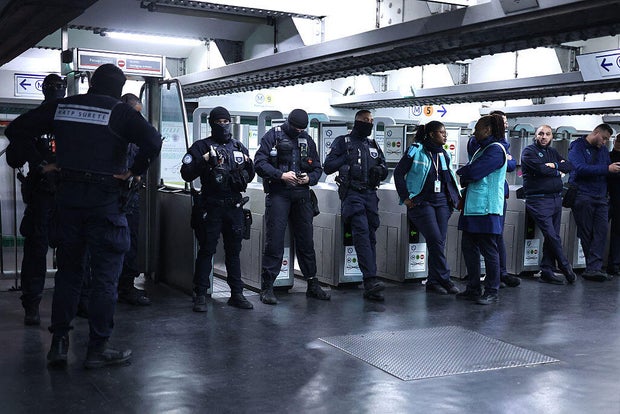
French authorities are boosting police numbers and extending curfews in public spaces as President Emmanuel Macron’s administration grapples with control amidst recent riots. These disturbances, which saw the torching of buildings and widespread looting, have been prompted by demands for improved schools and relief from escalating living costs. This comes as the government deals with rising debt and a fragmented parliament that complicates budget approval.
During a partial curfew at Paris’ Republique Metro station on October 20, 2026, transport security officers were on duty as protests over soaring prices led to severe street violence. The French Prime Minister, Sébastien Lecornu, announced increased police presence before planned demonstrations on October 24, addressing Interior Minister Laurent Nuñez’s admission of underestimating the unrest.
Over 2,500 individuals have been detained following protests that included the burning of Limoges’ historic town hall. Curfews now affect areas like Paris’ Place de la République and Les Halles shopping district, with similar measures in place in Lyon. Recent nights have seen no significant incidents reported in Paris and Lyon, allowing the continuation of these precautions.
Separating peaceful protests for education and labor conditions from violent acts, Macron has vowed to listen to demands while punishing lawbreakers. He attributed the violence to ‘radical far-left groups’ and criminals, asserting accountability for threats to the republic.
The unrest traces back to mid-September when students and teachers declared the need for better education conditions. The movement expanded with trade unions and Yellow Vest activists driving calls against living costs and declining public services. On October 8, the Ministry of National Education initiated plans for deploying substitute teachers and additional hires.
France’s public debt is nearly 3.6 trillion euros, about 119% of its annual economic output. The budget deficit is expected to reach 5.4% this year, with efforts to reduce it to 5% by 2027. Next year’s interest payments are projected to rise substantially, further restricting funds for public services.
Macron’s allies lack parliamentary majority, forcing the February adoption of this year’s budget without final voting. A recent Ipsos poll reported Macron’s approval at 15%, with Marine Le Pen of the National Rally party leading polls for upcoming elections. Other contenders include Édouard Philippe and Jean-Luc Mélenchon.