
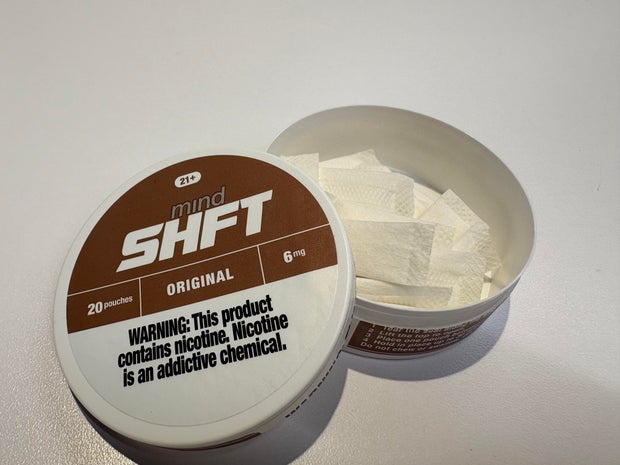
A recently established Florida company, SHFT Enterprise Holdings LLC, has obtained a unique deal allowing it to be the sole supplier of flavored nicotine pouches to the commissaries within the Bureau of Prisons’ 118 institutions. The brand, “mindSHFT,” which offers 6-mg nicotine pouches, is not authorized by the Food and Drug Administration (FDA) to be sold legally in the United States, according to CBS News’s investigation and a review of FDA data. The product is also not commercially available.
Following concerns raised by CBS News and an anonymous federal employee, the Justice Department’s inspector general and Attorney General Todd Blanche received complaints. These prompted a senior prison official to pause the arrangement and order a cessation in the procurement of the nicotine pouches, as per a Sept. 3 internal memo reviewed by CBS News.
This situation deserves immediate attention,” the whistleblower expressed in a complaint sent to Blanche and Don Berthiaume, DOJ Inspector General. “The Bureau of Prisons is responsible for the health and safety of individuals in its custody. If an improperly authorized or contaminated product is being distributed throughout the federal system, the consequences could be extremely serious
,” they warned.
A BOP spokesperson stated that introducing nicotine pouches aimed to curb the trafficking of illicit tobacco and nicotine products within federal prisons. However, all further purchases have been suspended pending review, influenced by consultations with the FDA and an ongoing assessment of current inventory. No adverse effects have been reported from users so far.
Company Background and Procurement Details
SHFT Enterprise Holdings was incorporated in Florida in May, shortly after the Bureau issued a nationwide request for vendors capable of supplying FDA-approved nicotine pouches. Interestingly, there was no formal request for proposals for providers, and a contract was not signed with SHFT. Instead, Adam Morrow, the trust fund chief, informed prisons via a memo on July 21 that SHFT was the only approved vendor recognized for selling flavored nicotine pouches.
Within a span of weeks, Citibank authorized institutional orders, suggesting prisons order three tins per inmate. The pricing indicates SHFT charged $6.99 per tin, although inmates pay $9.10 each, with strong sales reported.
Legal and Regulatory Challenges
By federal law, any nicotine product marketed without FDA authorization is considered “adulterated.” Legal experts pointed out that FDA has yet to determine the safety of such products. Andrew Goldfarb, a legal expert on FDA regulations, criticized the lack of understanding regarding the product’s contents, its sourcing, and manufacturing conditions.
The SHFT website markets these pouches as a healthier alternative to cigarettes, claiming significant harm reduction. Nonetheless, no reference to FDA authorization is cited on the website or packaging. Since May, the FDA allowed discretion over enforcement concerning nicotine pouch makers, provided they submitted proper applications.
As of September, only two companies, subsidiaries of Philip Morris International and Altria Group, had FDA approval for nicotine pouches. The complexity of such applications could deter newer companies like SHFT from completing the required paperwork.
Behind the Company and Concerns from Correctional Staff
Information on SHFT is sparse except for Florida incorporation records, a June trademark application, and government contracting details. Key figures include Kevin Mastaler and Ryan Monahan, who were linked to Redcon1, a supplement company previously led by Aaron Singerman, a supporter of President Trump. Although Singerman’s past includes selling non-FDA-approved products, his involvement with SHFT remains unclear. CBS News attempts to contact Mastaler and Singerman have been unsuccessful.
The introduction of nicotine pouches has puzzled correctional staff, with security and health concerns being noted. BOP sales records show varying purchase sizes, but the exact number of purchased pouches remains uncertain. Since 2014, smoking and tobacco products have been banned from prisons, yet nicotine pouches, which don’t contain tobacco derivatives, are not regulated under the same framework.
Correctional officer reactions cited potential risks, expressing surprise at nicotine’s availability to inmates. Furthermore, from financial strains, the trust fund now operates profitably without nicotine sales, as communicated in a May memo by BOP Director William Marshall.