
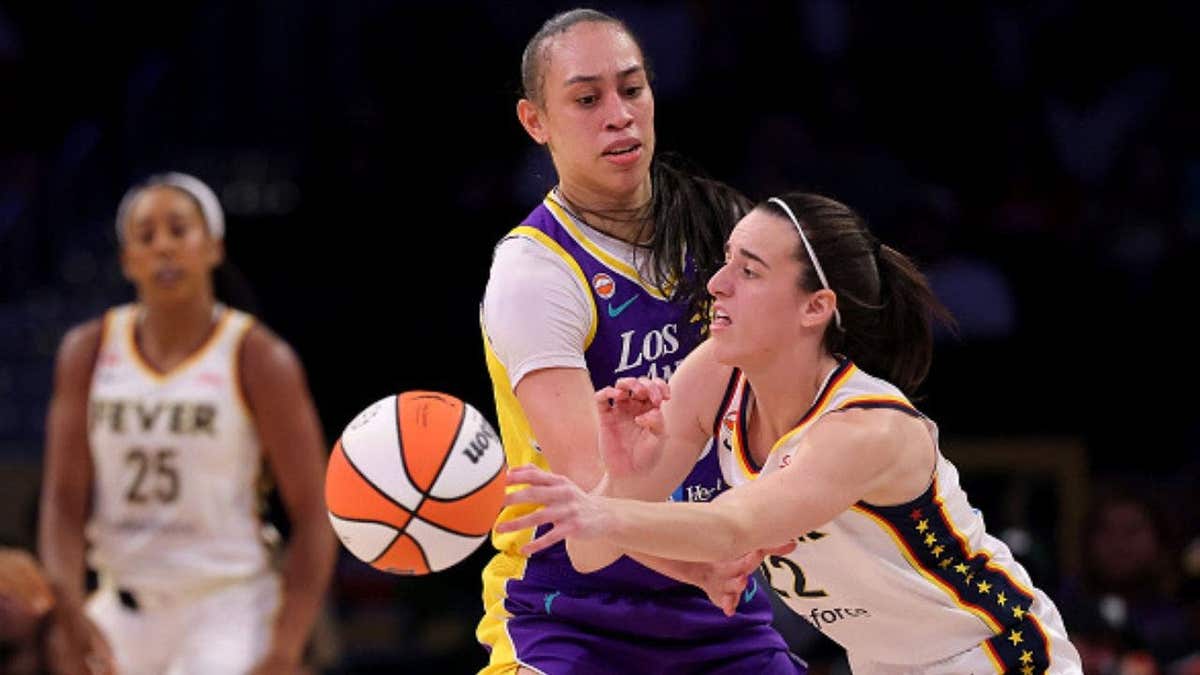
Recently, a conversation on CNN sparked a debate about Caitlin Clark’s reception in the WNBA. Former ESPN host Cari Champion addressed the topic, emphasizing respect for Black women in the league’s history. She cautioned against viewing the issue solely as one of racial discord.
Clark, a key player for the Indiana Fever, has experienced visible hostility from some league members, many of whom are Black players. Some observers attribute this to her identity as a straight White woman in a league predominantly composed of Black and LGBTQ+ players. However, the tension is more nuanced. It’s not merely about her race or sexual orientation.
Clark’s different approach within the league contributes to the friction. She refrains from engaging in the racial and social activism that has become a hallmark of the league’s image. Her focus remains on basketball, deviating from the broader cultural expectations.
“To suggest that people are racist towards Clark neglects the history of Black women supporting and establishing the league,” said Champion.
Comparisons with other players like Cameron Brink and Paige Bueckers illustrate these dynamics. Brink, also a White athlete, acknowledges her privilege, discussing it openly with media. Her comments on racial privilege received positive reactions, contrasting Clark’s stance.
Bueckers similarly navigates the racial conversation by supporting equal opportunities within the league. Her statements have garnered widespread support on social media, showing a different reception than Clark experiences.
The broader cultural context is relevant here. Since 2020, terms such as “anti-racism” have influenced societal expectations. Figures like Emmanuel Acho and Ibram X. Kendi emphasized active opposition to racism. This climate informs perceptions within the WNBA.
Clark’s stance differs from this narrative. She asserts her identity as a basketball player, detached from ongoing cultural battles. She chooses not to become a symbol in these disputes, an approach that some see as contentious.
Clark emerged as a prominent athlete post-George Floyd, complicating her role in sports and media dialogue. Critiques suggest that her race has influenced her fame, impacting how players and media perceive and discuss her.
Statements like those from Jemele Hill highlight the continued discourse around race and recognition. Hill noted the influence of Clark’s identity on her popularity, contributing to the overarching narrative among players.
These complex intersections of race, identity, and sports culture shape Clark’s experience in the WNBA. Her emphasis on playing rather than symbolic roles challenges prevailing league dynamics.