
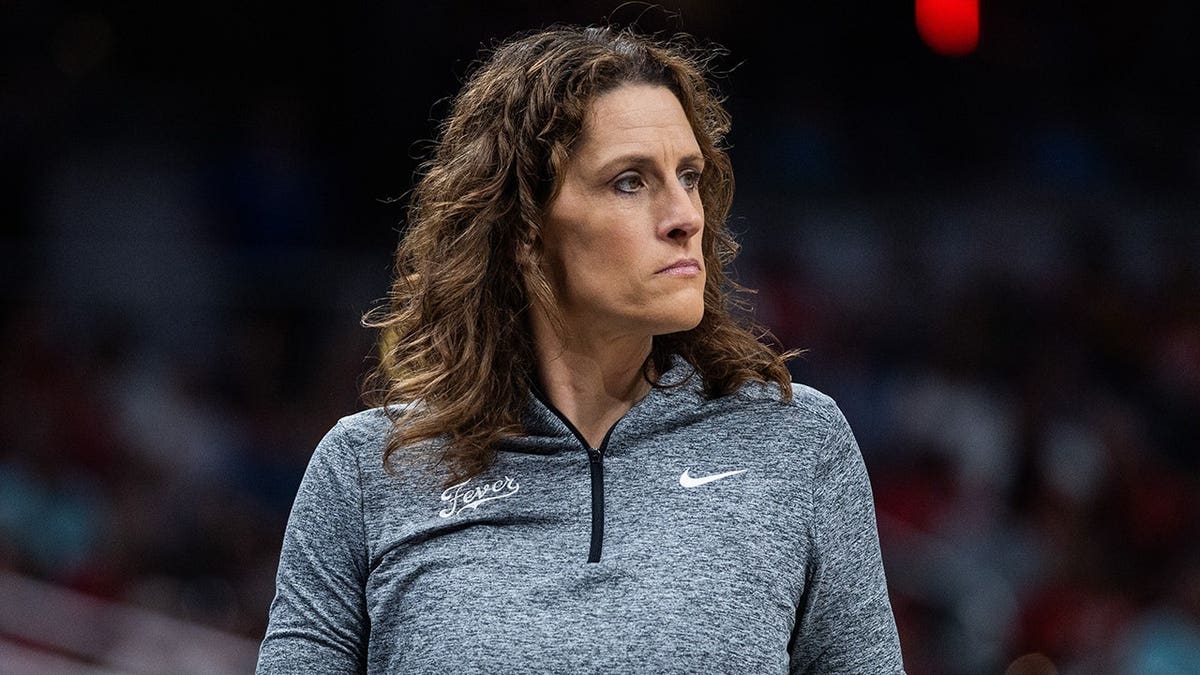
Prior to the Indiana Fever’s fifth consecutive victory, both Caitlin Clark and Sophie Cunningham showcased remarkable performances. Clark notched her fourth career triple-double, while Cunningham excelled from beyond the arc. Meanwhile, Indiana Fever head coach, Stephanie White, mentioned she wasn’t “educated enough from a scientific standpoint” to comment on whether males should compete in women’s sports. Despite these remarks, extensive biological and sports science research provides clarity on the matter.
Biological Differences in Athletic Performance
Research has consistently shown that males develop several physical advantages post-puberty. These advantages include:
- Greater lean muscle mass development in males compared to females.
- Men generally possess 30%-40% more upper-body strength.
- Higher male testosterone levels lead to increased muscle development and power output.
- Males have higher bone density, broader shoulders, and longer reach.
- A greater proportion of fast-twitch muscle fibers in males enhances speed and power.
- Larger cardiac and pulmonary dimensions in males improve aerobic capacity.
- Males have roughly 10%-12% higher hemoglobin concentration, boosting oxygen delivery during exercise.
- On average, males exhibit a 15%-20% higher VO₂ max than similarly trained females, increasing endurance.
- Stronger tendons and ligaments in males support greater force generation and recovery.
- Larger skeletal frames in males, including hands and feet, enhance leverage in sports.
These differences lead to significant performance gaps across various sports metrics like sprinting, jumping, and endurance. This separation justifies the existence of distinct competitive categories for men’s and women’s sports, as well as the implementation of Title IX.
“The separation in competitive categories is not a matter of effort or dedication, but one of fairness and safety.”
The aim is to ensure women athletes compete on a level playing field. Recognizing the importance of biological differences isn’t discriminatory; it’s an acknowledgment of competitive fairness and safety.
President Trump’s “No Men in Women’s Sports” executive order in 2025 exemplifies political moves supporting biological fairness in sports. While some see this as controversial, the underpinning science is deeply rooted and not a novel concept.
The conversation around this topic must focus on biology, physiology, and fair competition. Recognizing these factors upholds the integrity of women’s sports. It is not a display of transphobia or hate to advocate for these principles.
In light of these considerations, players and coaches in the WNBA, including Coach White, face the opportunity to advocate for common sense solutions that benefit women in sports.