
In recent developments, tensions have intensified between the United States and Iran following new U.S. airstrikes early Thursday. Tehran responded with attacks on Bahrain, Kuwait, and Qatar, threatening an interim agreement aimed at resolving the ongoing conflict in the Persian Gulf.
The conflict escalated after U.S. President Donald Trump stated that Iranian assaults on ships in the Strait of Hormuz had ended a fragile ceasefire. U.S. forces launched strikes on various military targets and port facilities after Iran attacked merchant vessels off the coast of Oman. Thursday’s confrontations were notably more extensive, with alarm bells sounding across Bahrain, the host of the U.S. Navy’s 5th Fleet headquarters. No immediate reports of damage from the attacks on Bahrain, Kuwait, or Qatar have surfaced. However, Kuwait’s military reported intercepting incoming missiles and drones.
U.S. Military Targets in Iran
The U.S. Central Command announced strikes on around 90 targets within Iran. Released footage depicted hits on launchers and airport runways. The military highlighted its ongoing readiness and vigilance to act as commanded by the President. The strikes aimed to reduce Iran’s capability to threaten navigation freedom in the strait, a crucial channel for global oil and natural gas trade.
Iranian media reported explosions in multiple locations including Bushehr, the site of a nuclear power plant, along with the port cities of Chabahar, Konarak, Bandar Abbas, and Sirik. Casualties included three fatalities in Khuzestan province, one in Iranshahr where a firefighter died, and at least nine other deaths from previous strikes.
Continuing Tensions and Trump’s Warning
President Trump posted videos of explosions in Iran, issuing yet another caution to Tehran. He asserted the strikes were retaliatory for Iran’s ship attacks, warning that future incidents would provoke harsher responses. Although Trump claimed the skirmishes wouldn’t lead to prolonged military action, he cautioned of rapid outcomes if needed. He has also suggested targeting Iran’s civilian infrastructure, including power and desalinization plants, and seizing Kharg Island, a vital oil hub.
The escalation comes after Iranian forces targeted American military sites, contending that their interim ceasefire deal grants them control over strait traffic. Mohammad Bagher Qalibaf, Iran’s Parliamentary Speaker, indicated defiance, stating on social media that Iran would retaliate against U.S. aggression.
Potential for Renewed Conflict
Concerns are growing over the potential renewal of the war after Trump’s declaration that ceasefire negotiations were ineffective, casting doubt on ongoing talks. A resumption of hostilities could disrupt energy shipments and broaden the conflict in the Middle East. Despite Trump’s skepticism about the talks, he acknowledged their continuation.
Trump’s threats to seize Kharg Island, through which the majority of Iranian oil exports pass, have previously stirred controversy. He implied skepticism about American resolve to carry out such actions.
The latest maritime assaults by Iran, amidst negotiations, suggest internal disagreements within its leadership. Hardliners advocate maintaining control over the strategically vital waterway, while pragmatists seek a comprehensive peace agreement to ease sanctions and revive the economy.
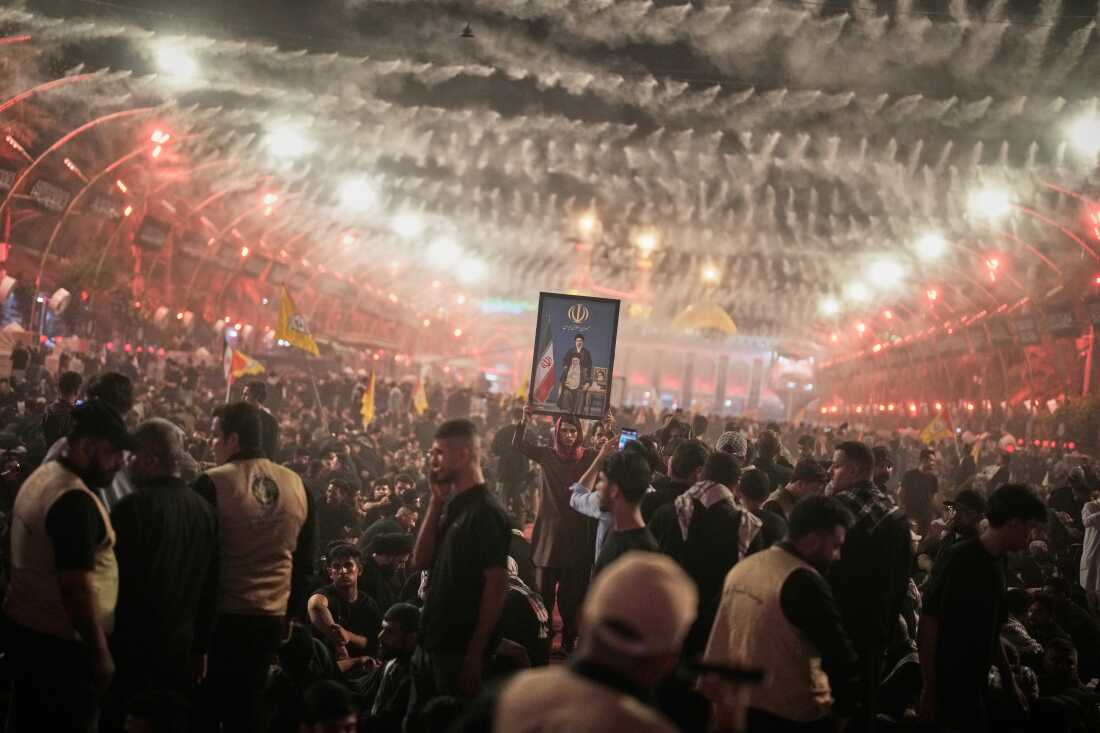
Negotiations for a final settlement are scheduled to start after the funeral of Ayatollah Ali Khamenei, a pivotal event initially expected to reduce tensions. These discussions intend to tackle critical issues like reopening the strait entirely and addressing Tehran’s controversial nuclear activities.