
U.S. Military Actions in Iran
U.S. Central Command announced that American forces have initiated additional strikes against Iran upon the direction of the Commander in Chief. The aim is to degrade Iran’s capabilities and ensure the freedom of navigation in the Strait of Hormuz. This decision follows Iran’s aggressive actions against commercial vessels in this vital waterway.
International Responses and Developments
The Iranian Foreign Minister, Abbas Araghchi, responded by emphasizing Iran’s cultural and moral values, suggesting that despite derogatory remarks from President Trump, Iran chooses to respond with valor.
In Milwaukee, Vice President JD Vance declared a firm stance regarding Iran’s actions, stating that if Iran targets ships in the Strait of Hormuz, the U.S. would retaliate forcefully.
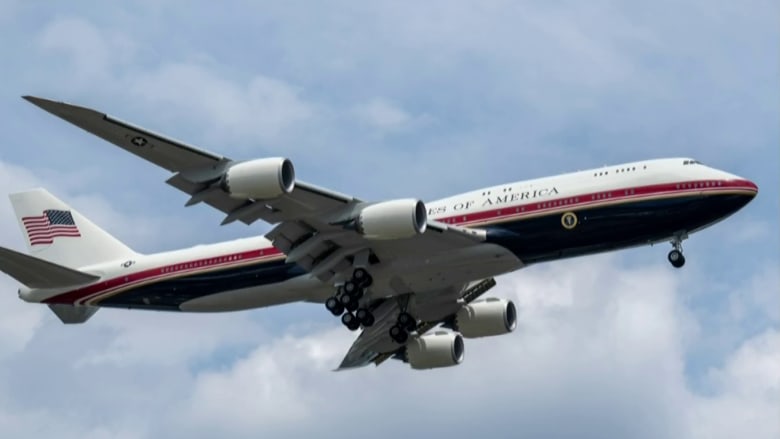
Reports indicate that Trump faced questions about his travel arrangements involving Air Force One. Concerns were raised over the switch to the old aircraft for his return journey from the NATO summit in Turkey.
Diplomatic Strategies and Defense Deals
President Trump discussed the potential resumption of F-35 fighter jet sales to Turkey, noting the strong relationship between the U.S. and Turkey, a key NATO ally.
Trump revealed an investment of $3 billion in defense, highlighting new partnerships for weapons and missile defense systems, including a significant facility in Europe by Lockheed Martin.
Broader Geopolitical Context
The NATO summit featured Belgian Prime Minister Bart De Wever’s comments likening recent financial support for Ukraine to strategic maneuvers in sports, with reference to a World Cup incident involving U.S. soccer.
Trump addressed potential removal of Syria from the state sponsor of terrorism list, citing actions by Syrian President Ahmad al-Sharaa.
Impact on Global Markets and Relations
The U.S. military’s actions in Iran, particularly the renewed strikes, have had noticeable effects on global oil prices, causing them to surge significantly. The volatile situation has also impacted stock markets, with indices showing downturns.
NATO leaders, including Mark Rutte, supported the U.S. military’s response, noting its necessity in light of Iran’s actions.
Conclusion
Escalations between the U.S. and Iran represent a complex geopolitical challenge with implications for international diplomacy and global economic stability. Ongoing military actions and strategic alliances continue to shape the dynamics of this situation.