
The decision by the Football Association to hire Thomas Tuchel in 2024 was based on his reputation as a knockout specialist. His tactical plans were designed to offer England the best chance of winning the World Cup.
Under Gareth Southgate, England reached significant matches, but crucial moments often saw them passive, unable to adapt against strategic opponents. An example was the World Cup semi-final eight years ago in Moscow, where they led 1-0 against Croatia before eventually losing.
This time, England was anything but passive. The defeat to Argentina demonstrated a proactive but disastrous decision-making process. England’s retreat into their penalty area led to their defeat, allowing Argentina to progress to the finals.
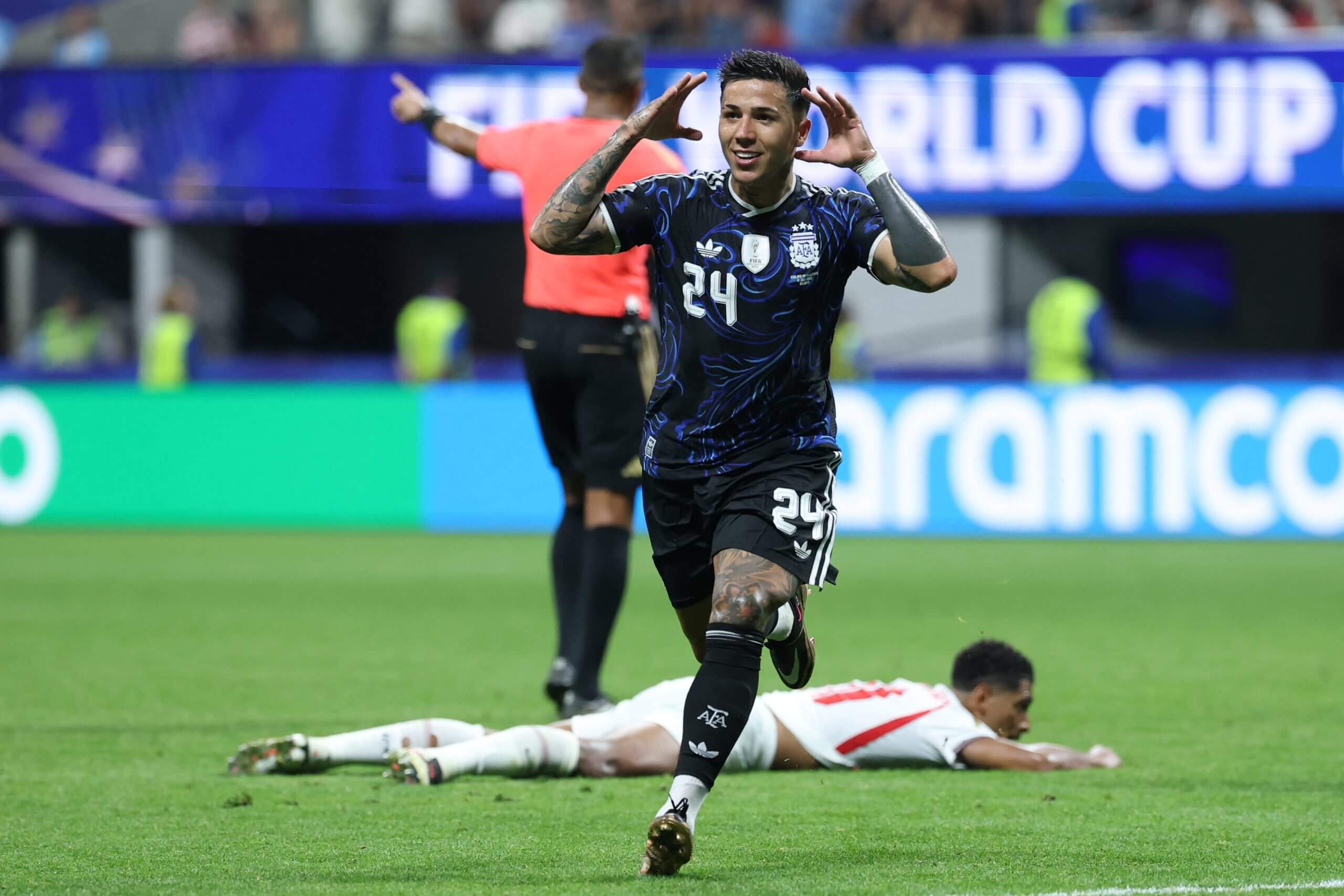
The end result was symbolized by Enzo Fernandez equalizing for Argentina, highlighting England’s inability to maintain their lead.
Despite England being ahead with a goal from Anthony Gordon, their strategy faltered. Opportunities to press on with players like Bukayo Saka, Noni Madueke, or Marcus Rashford were ignored. England had minimal offensive action after taking the lead, ultimately shrinking back defensively.
Earlier, Tuchel’s tactics had successfully worked against Croatia in Dallas, utilizing Saka and Rashford’s strengths. Yet when facing Argentina, Tuchel opted for a defensive approach despite Argentina’s vulnerabilities being apparent.
By the hour mark, England was deeply entrenched around their penalty area. Lionel Messi began exploiting spaces, with England failing to adjust. Even as Argentina sensed an opportunity, England’s tactical response was to regroup defensively rather than attacking.
A critical decision by Tuchel was to revert to the ‘Azteca Plan’, focusing heavily on defense. The plan, effective against Mexico, was poorly applied here, allowing Messi space to capitalize.
The addition of Dan Burn worsened England’s situation, deepening their defensive formation. It offered Argentina opportunities, leading to Fernandez’s eventual goal.
Ultimately, Argentina’s victory was inevitable. England had possessed minimal control, limiting their capacity to counter the ongoing Argentine pressure.
Argentina’s Lautaro Martinez scored the deciding goal, and England never managed to redirect their tactics to force extra time.
England’s struggle mirrored their prior loss to Croatia, yet this time it was self-chosen. Despite having advanced players like Harry Kane and Jude Bellingham, and a well-regarded manager, England failed to capitalize on their strengths.
The match left England players disappointed. It marked their fourth semi-final in eight years, a testament to their repeated failures despite their experience and resources.
Hiring Tuchel, seen as a master planner, was intended to harness England’s physical capabilities. However, England succumbed to their usual pattern: defensive retreat and lack of offensive initiative.
The disappointment lay in England’s chosen tactical collapse, overshadowing their potential and planning.