
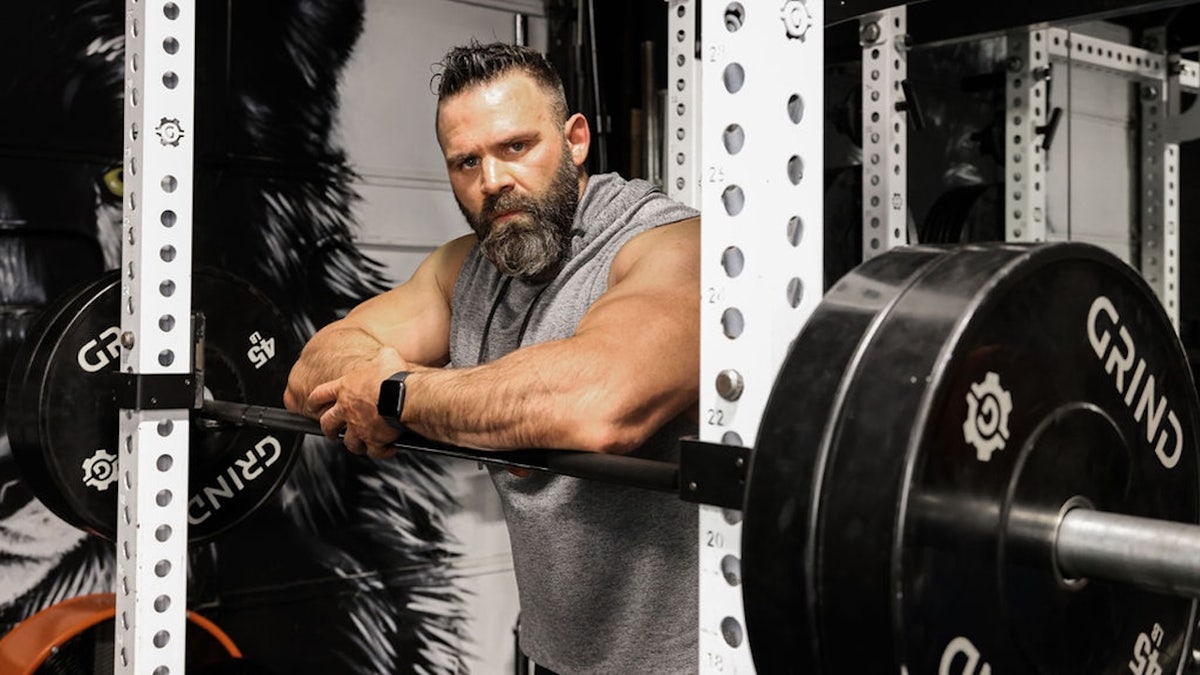
Post-exercise recovery is crucial, especially as we age. Muscles become less responsive to protein and other muscle-building signals, making it vital to repair tissue and preserve strength. Jacob Zemer, a fitness coach based in New York, prioritizes recovery for his clients, aged between 35 to 55, who aim for longevity rather than pursuing bodybuilding.
‘Most of my clients are really focused on longevity,’ he told Fox News Digital.
Key Recovery Strategies for Adults Over 35
Sleep Quality Matters
Adequate sleep is fundamental. Zemer recommends seven to nine hours of quality sleep each night and offers practical steps:
- Avoid eating a few hours before bed to lower your resting heart rate.
- Maintain a consistent bedtime routine.
- Stop using screens a couple of hours prior to sleeping.
- Avoid stressful discussions close to bedtime.
- A hot shower helps the body cool down afterward, promoting better sleep.
- Set the bedroom temperature between 60 and 65 degrees.
- Ensure the bedroom is as dark as possible.
Importance of Regular Bloodwork
Regular checkups and lab tests help identify any issues affecting recovery. Zemer emphasizes monitoring hormonal balance and bodily functions, as changes occur with age. Screenings for conditions like high blood pressure, diabetes, and osteoporosis are vital.
Use of Heat Therapy
Heat exposure aids muscle recovery and strength. Zemer highlights its benefits, as warmth widens blood vessels, boosting circulation and delivering nutrients. A review of 22 studies showed that heat therapy improved muscle-function recovery for many participants. If a sauna is unavailable, a hot shower post-workout offers similar benefits.
Importance of Stretching
Zemer advises stretching post-workout to re-lengthen shortened muscles. Full mobility requires moving through a complete range of motion and stretching helps maintain this. It’s especially significant in reducing wear and tear from strength training.
Fueling and Hydration
Consuming adequate protein post-workout assists muscle repair. The International Society of Sports Nutrition recommends 20 to 40 grams of high-quality protein after training. The general guideline for protein is about 1.4 to 2 grams per kilogram of body weight daily, tailored to individual needs. Hydration is crucial before working out to ensure optimal results.
De-stress
Post-exercise stress requires managing cortisol levels. A nutritious meal and rest facilitate recovery for your nervous system and muscles. If recovery feels slow, it might indicate overtraining. Exercise involves a cycle of stress response, adaptation, and recovery. Sufficient recovery, sleep, and energy availability are essential.
Identifying Good and Bad Soreness
Soreness post-exercise is normal but varies in degree. Short-term soreness is fine but prolonged discomfort signifies excessive strain. Gradual adaptation to training programs is crucial. Zemer notes that exercise-induced endorphins mask pain, which can intensify once they diminish. Aching joints and prolonged soreness may require reducing workout intensity by about 30%.
There’s no need to halt workouts altogether. Instead, adjust what you do to minimize strain and enhance recovery. Recognize that discomfort during exercise increases later; this can hinder consistent training.