
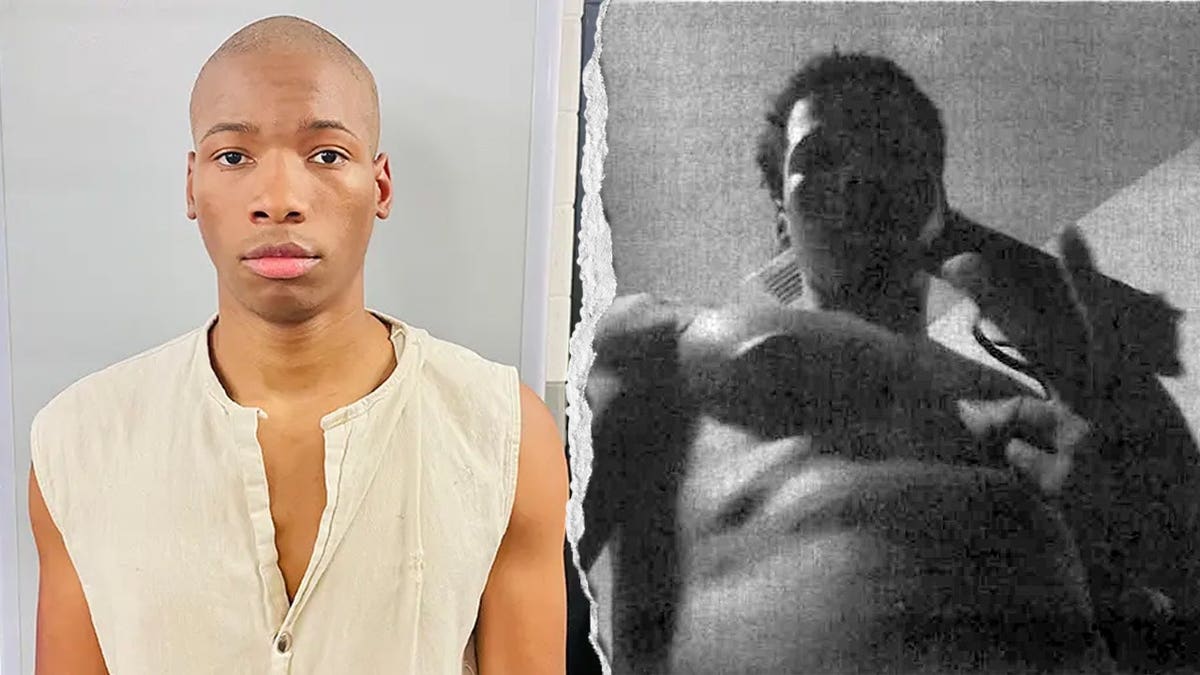
A recent 75-page court filing has come to light, detailing a range of alleged threats, gun photos, and violent messages associated with convicted Texas killer Karmelo Anthony. These documents appear to outline evidence prosecutors planned to use in trial. However, veteran Texas criminal defense attorney Tiffany Burks emphasizes that the jury might not have seen any of it. The filing was obtained by Fox News Digital and submitted before Anthony’s trial under Texas Rule of Evidence 404(b).
Significance of the Evidence Filing
This document has become critical as Anthony seeks a new trial. The focus is on an alleged pretrial agreement concerning character evidence. Anthony contends that confusion about this agreement influenced his decision to refrain from testifying, a claim prosecutors contest. This filing includes allegations that Anthony stalked his girlfriend before the murder of 17-year-old Austin Metcalf during a track meet in Frisco on April 2, 2025.
Nature of Allegations
Prosecutors cite messages where Anthony reportedly said he was “on the verge,” depicted with guns, made violent threats, and frequently discussed fighting. The filing also alleges Anthony talked about committing robberies and selling narcotics. Burks clarifies that Rule 404(b) notices aim to provide the defense with advance notice of potential evidence, so they can conduct investigations and prepare a response ahead of trial.
Use of Rule 404(b)
Prosecutors must notify the defense about evidence of alleged prior misconduct before the trial. This allows attorneys to explore the allegations and prepare responses, preventing surprises during the trial. The notice is essentially a placeholder, enabling prosecutors to ask the judge to admit the evidence if it becomes relevant during the proceedings. This does not guarantee the evidence will be presented to the jury or that all allegations will be introduced.
Legal Nuances
Rule 404(b) generally restricts prosecutors from introducing prior actions only to depict a defendant’s poor character. Judges may allow such evidence for other purposes, adhering to the rules of evidence. Burks notes that extensive notices, such as this 75-page one, are standard practices to keep options open. The filing includes a wide array of allegations, some dating back to Anthony’s school years, including claims of fights and assaults.
Impact on Trial
Burks points out that prior misconduct evidence can be crucial if a defendant claims self-defense. Prosecutors might argue that such evidence indicates who initiated the confrontation or clarify other issues allowed under Rule 404(b). While the jury dismissed Anthony’s self-defense claim and convicted him of murder, this filing preserved the prosecutors’ right to introduce alleged past actions if deemed relevant during the trial.
Ultimately, it is the judge who decides which pieces of evidence are admissible under the rules before they can be shown to the jury. Misconceptions abound regarding Rule 404(b) filings, with many assuming all allegations will be seen by jurors, which is not correct.