
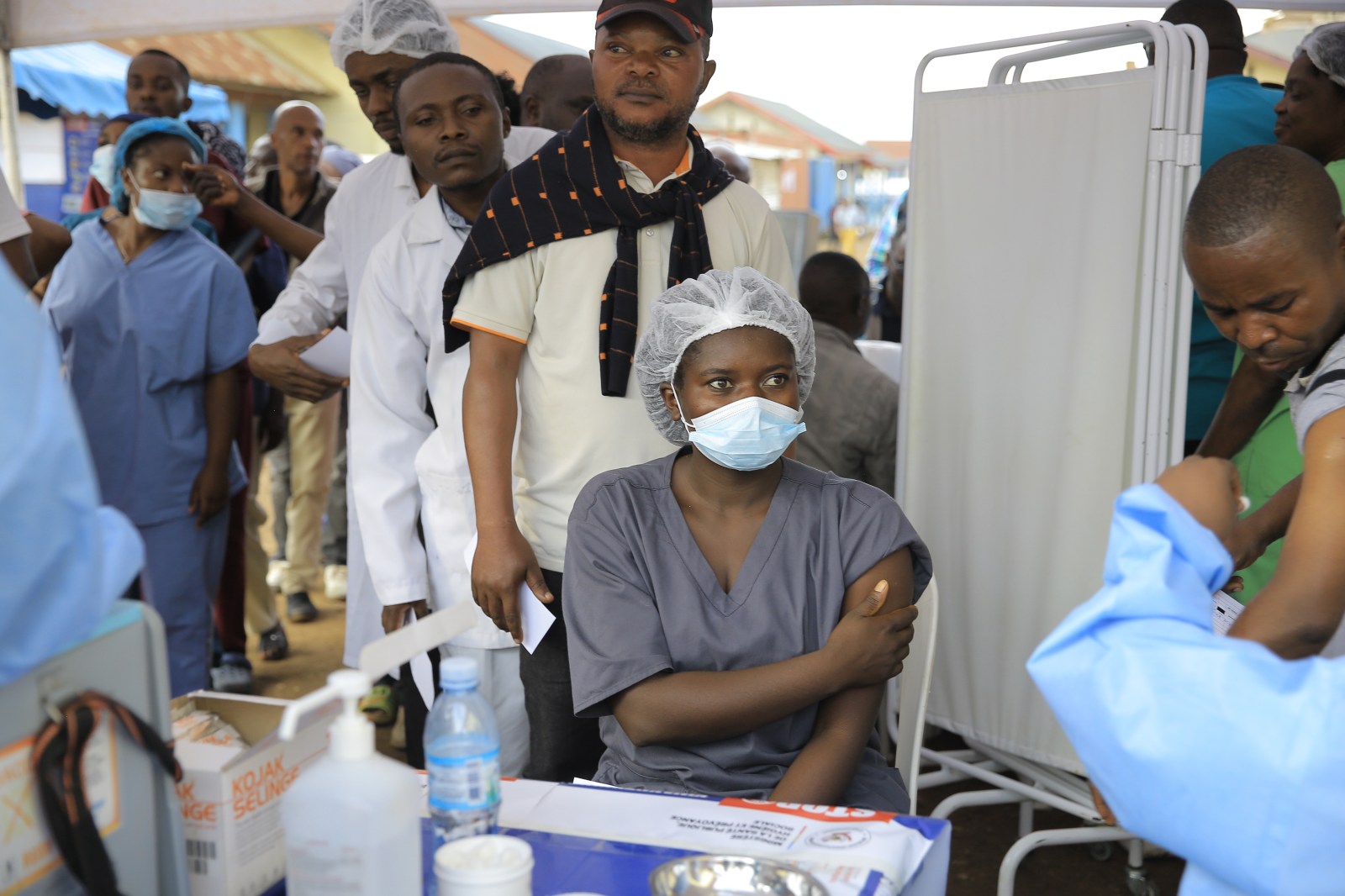
Nigeria has reported its first Ebola case in the capital, Abuja. The patient had traveled from Uganda and was diagnosed at a private hospital. Health Minister Muhammad Pate noted that 44 contacts are being traced.
Regional Ebola Response
A confirmed case in Kenya raises the country’s total to nine within one cluster. No cases have been reported outside of known contacts. Meanwhile, the Democratic Republic of the Congo (DRC) faces a severe outbreak with 9,066 confirmed cases and 4,381 deaths as of October 11. The case-fatality rate stands at 48.3%.
The Centers for Disease Control and Prevention (CDC) states this is the second-most significant Ebola outbreak on record. The Bundibugyo virus, originating in the DRC and Uganda in May, lacks an approved vaccine or specific treatment. Supportive care can increase survival chances.
The WHO has helped the Kenyan Ministry of Health with supplies like protective equipment and thermometers worth $70,000, reinforcing measures to detect and investigate suspected cases. It warned against travel restrictions to impacted countries.
Nigeria’s Ebola Situation
The Nigerian patient’s infection came after travel from Uganda. Previous Ebola cases in Uganda had subsided, according to reports, but tracing of 44 contacts in Nigeria is ongoing. Kenya’s nine cases are confined to a known cluster.
Contact tracing is crucial to managing and containing regional outbreaks. The effectiveness of Nigeria’s tracing efforts among 44 contacts remains a focal point.
Ebola in Kenya
Kenya confirmed its latest Ebola case in a family member of the first confirmed patient. The outbreak began on October 6 with a case that involved travel through Uganda. Close monitoring and quarantine have contained the outbreak within one group.
Kenya has raised its travel advisory due to health risks, while WHO stresses the importance of rapid contact tracing and public health interventions to curb transmission.
Ebola Mortality and Symptoms
Ebola is a serious, often fatal disease with mortality rates ranging between 25% and 90% in past outbreaks. Supportive care is vital. The incubation period ranges from two to 21 days. Symptoms start with fever, fatigue, and muscle pain, progressing to gastrointestinal and sometimes hemorrhagic symptoms.
The Ebola virus spreads via direct contact with the bodily fluids of infected individuals or through contaminated environments.
The DRC Outbreak
The DRC outbreak, the second-largest on record, has rapidly grown, affecting many regions. National incidence remains high with persistent spread, notably in North Kivu. WHO warns of potential further international transmission and stresses a coordinated response.
While Kenya and the DRC have seen significant impacts, America’s risk is low, with no linked cases reported, according to the CDC. The WHO recommends against travel restrictions with affected regions and underlines the need for preparedness and surveillance.